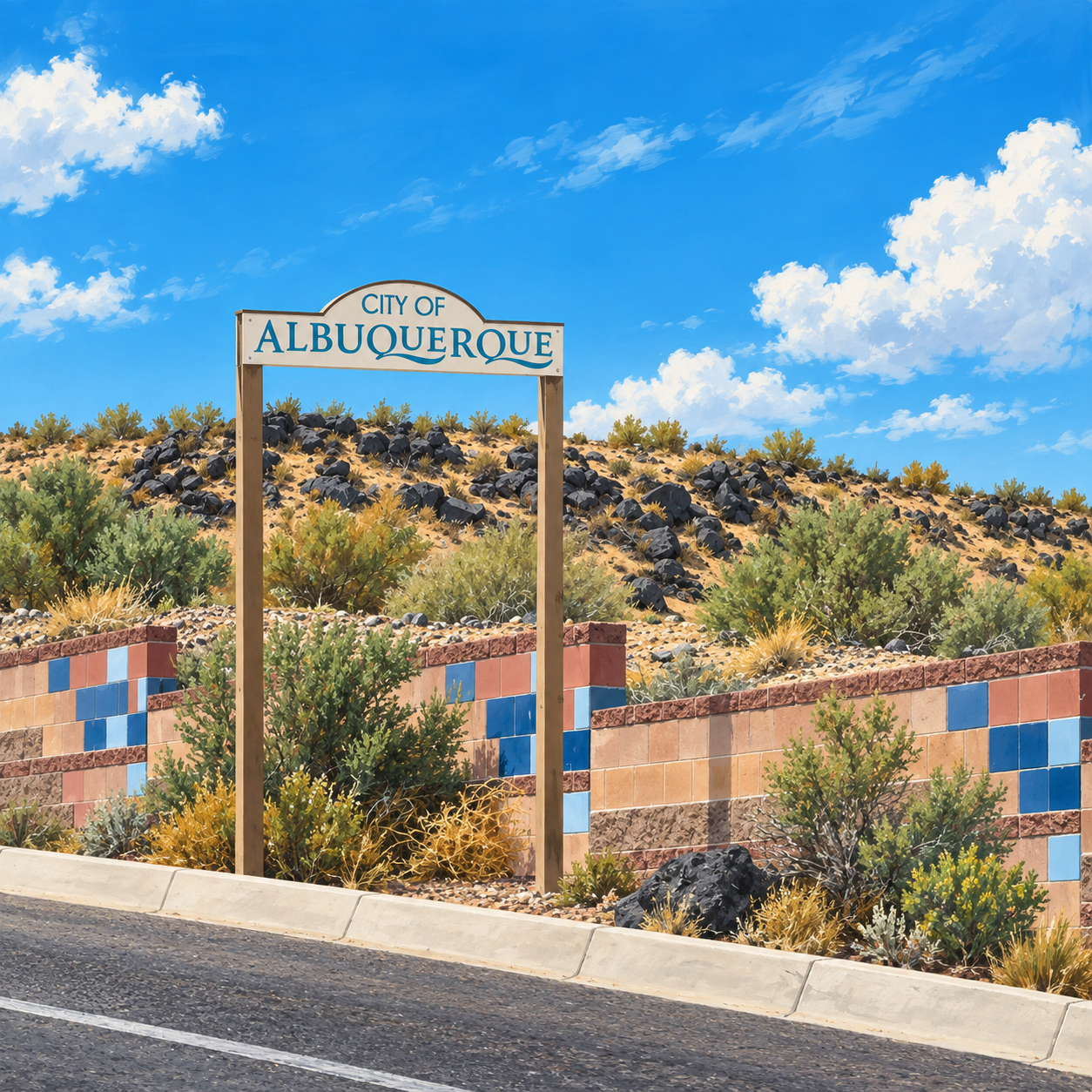
My First Full Day in Albuquerque, New Mexico: Excitement, Faith, and Warning Signs (March 6, 2013)
Author’s note: This article is a first-person account reconstructed from my dated photographs, travel history, congressional testimony, published advocacy record, personal recollections, and records I have retained. Some of the linked website entries were published at the time; others were expanded or reconstructed years later from older material. My own websites document what I reported and when I reported it. I distinguish between what I directly experienced, what surviving records establish, and the conclusions I reached later. My belief that the airport request may have been part of an attempted setup is my interpretation of the larger pattern. I will continue publishing the underlying timeline and supporting evidence so readers can evaluate it for themselves.
June 6, 2013 — Albuquerque, New Mexico
Copyright © Jennifer Norris. All rights reserved.
1. Before I Returned: Advocacy, Vulnerability, and the Warning I Could Not Ignore
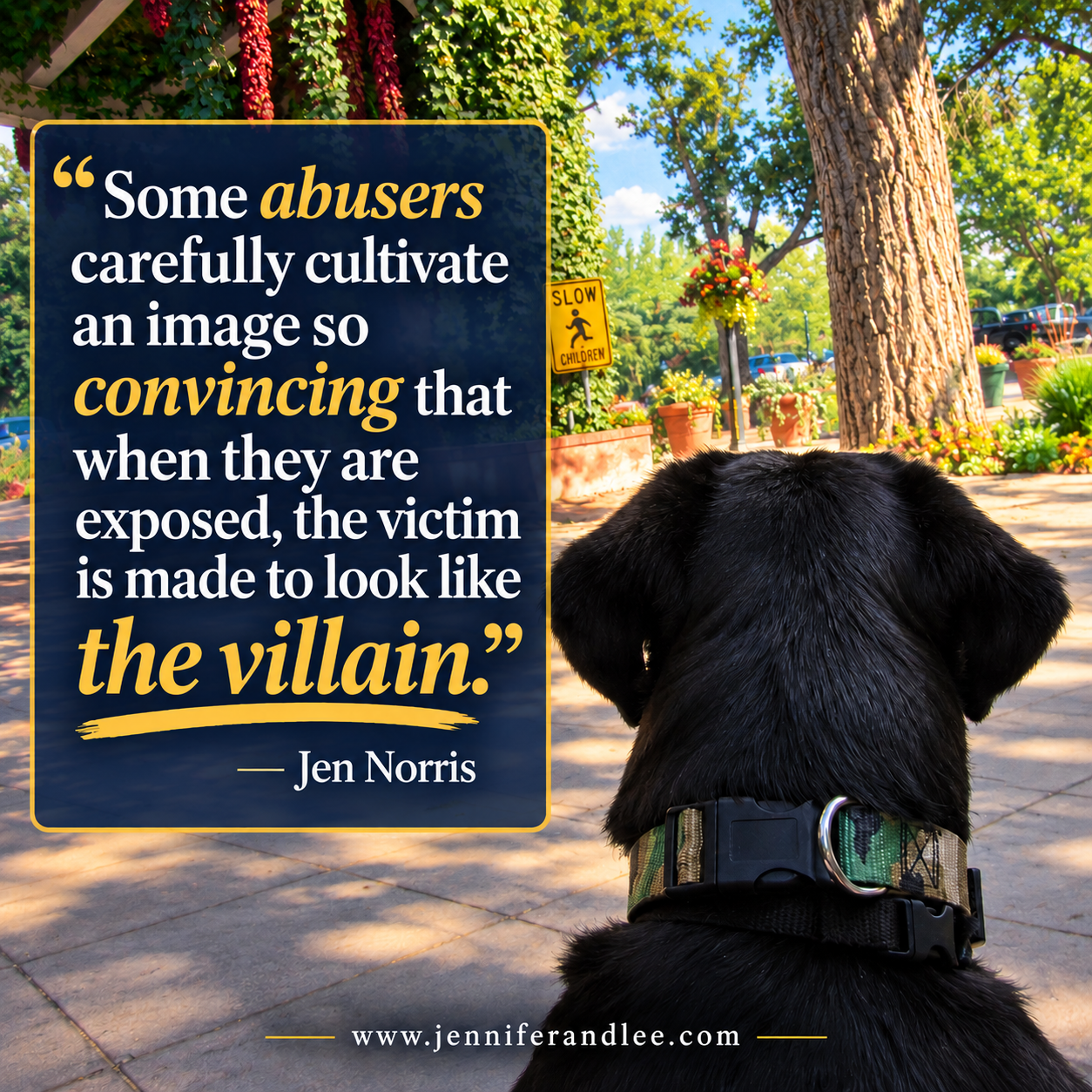
On June 6, 2013, I said one small word that may have protected the rest of my life: No.
Two days before the Albuquerque premiere of Justice Denied, Michael Matthews called and asked me to pick up Jeremiah Arbogast at the airport. I was working, I had a media interview connected to the newly introduced Military Justice Improvement Act, and I already had plans with the friend traveling with me. I declined. At the time, I regarded it as an ordinary boundary. I did not owe anyone my rental car, my time, or a private ride merely because we were connected to the same documentary and advocacy community.
To understand why that moment matters to me now, I have to return to the months before it.
I had become involved in military sexual-assault advocacy because I understood what it meant to be harmed inside an institution whose chain of command controlled nearly every available path to safety, accountability, and continued employment. When I testified before Congress, my message was larger than reporting statistics or creating sexual-assault-specific programs. The central problem was institutional betrayal. Service members who became victims of serious crimes could be forced to seek help from the same hierarchy that had failed them, protected abusive authority, or retaliated against people who spoke.
That broader position is not something I invented after the advocacy movement fractured. It appears in my written testimony before the House Armed Services Committee on January 23, 2013. I told Congress that the military justice system elevated personal discretion over the rule of law and was burdened by bias, conflicts of interest, and abuse of authority. Before describing my own assaults, I specifically recognized service members who had not survived and were lost to noncombat deaths, murder, and suicide—and the families still waiting for answers. Months before the Albuquerque premiere, my public record already showed that I was asking Congress to look beyond a single category of crime.
That is why the Military Justice Improvement Act mattered to me. On May 16, 2013, I stood with Navy veteran Brian Lewis, Senators Kirsten Gillibrand, Susan Collins, and a bipartisan coalition when the legislation was publicly introduced. The original proposal was broader than the label “military sexual-assault bill” suggests: it would have removed charging decisions for all crimes punishable by one year or more from the chain of command, except offenses unique to military service such as disobeying orders or going absent without leave.* It was one step, not a complete cure, but it addressed the conflict of interest survivors had described: the command could be part of the problem, yet the command still controlled access to justice.
*AWOL would have been addressed eventually because this bill was not the bill, it was a slippery slope to real justice and coordinated civilian law enforcement activity with the U.S. military to protect both service members and civilians.
I also cared deeply about male survivors. The enormous public response to The Invisible War opened an overdue national conversation, but male survivors were still too often pushed to the margins. When Matthews invited me to Albuquerque in March 2013 to participate in Justice Denied, I believed I was helping broaden that conversation. He purchased my ticket at the last minute, and two days later I flew from Maine to New Mexico.
Looking back, the speed of that invitation matters. High-pressure situations compress a person’s decision-making time. I arrived without my own lodging or transportation and stayed in Matthews’s home. I was far from Lee and dependent on someone I barely knew outside advocacy. I was also living with untreated brain injuries, complex trauma, and the effects of heavy-metal exposure that had not yet been properly identified. I appeared functional because I kept moving and working, but I was profoundly vulnerable.
During that March trip, I saw behavior inside the home that disturbed me. On March 7, after a national radio interview at KUNM, I overheard a dark telephone conversation that sounded to me like people discussing how to take someone down. I cannot prove who was on the other end or who was being discussed. What I know is that my nervous system registered danger. I stayed calm, played dumb, documented my route the next day, and focused on reaching the Albuquerque airport safely.
I went home changed. I still supported male survivors and the documentary’s stated mission, but I no longer trusted the access that had been created around me.
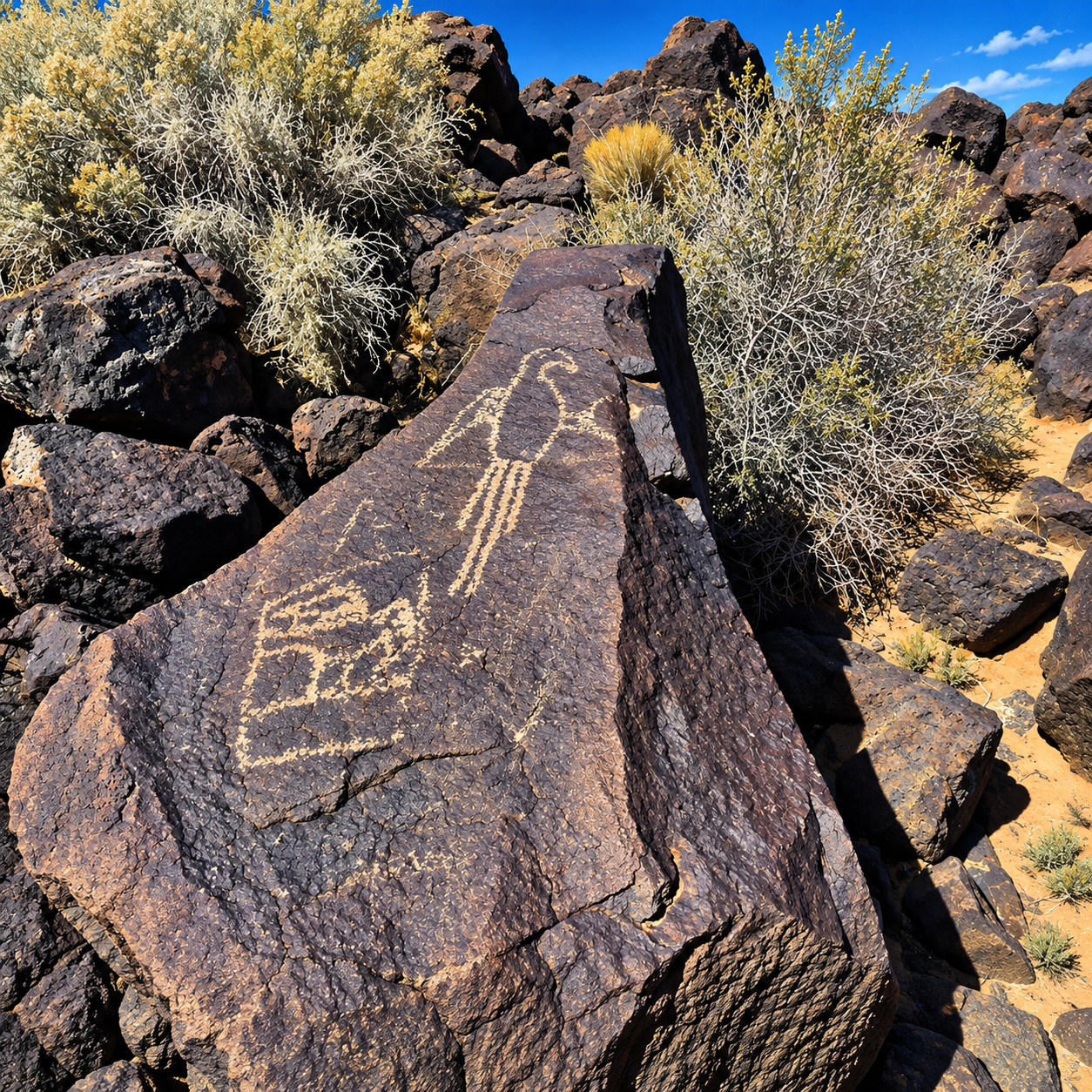
A Brief Visit to Petroglyph National Monument in Albuquerque, New Mexico (June 6, 2013)
2. The Second Trip: I Returned to New Mexico, but I Moved Differently
When I returned to Albuquerque in June for the Justice Denied premiere at the inaugural Albuquerque Film and Media Experience, I did not travel as I had in March. This time, I had my own hotel room, a rental car, a friend with me, and my service dog, Onyx. I controlled where I slept, how I traveled, whom I met, and when I left.
There was another warning sign before I boarded that June flight. In the chronology I published on Military Justice for All in February 2014, I recorded that Matthews called me in May, after the original MJIA was introduced, and told me the bill was not the answer and that people thought I was a “media whore.” This does not prove a plan, but it matters because it places political disagreement and hostility toward my visibility before the airport request on June 6, 2013—not months afterward.
So why did I return? Because the male survivors mattered to me, I had already committed to supporting the film, and I refused to confuse one person’s behavior with the worthiness of the cause. I returned to complete the work, but I did so with safeguards.
That independence allowed me to do what I had come to do: work, support the male survivors featured in the documentary, and explore a state that had immediately captured my heart. My friend and I combined business with adventure. We traveled through Albuquerque and Santa Fe, visited churches and historic sites, took photographs, laughed, and experienced the Southwest on our own terms.
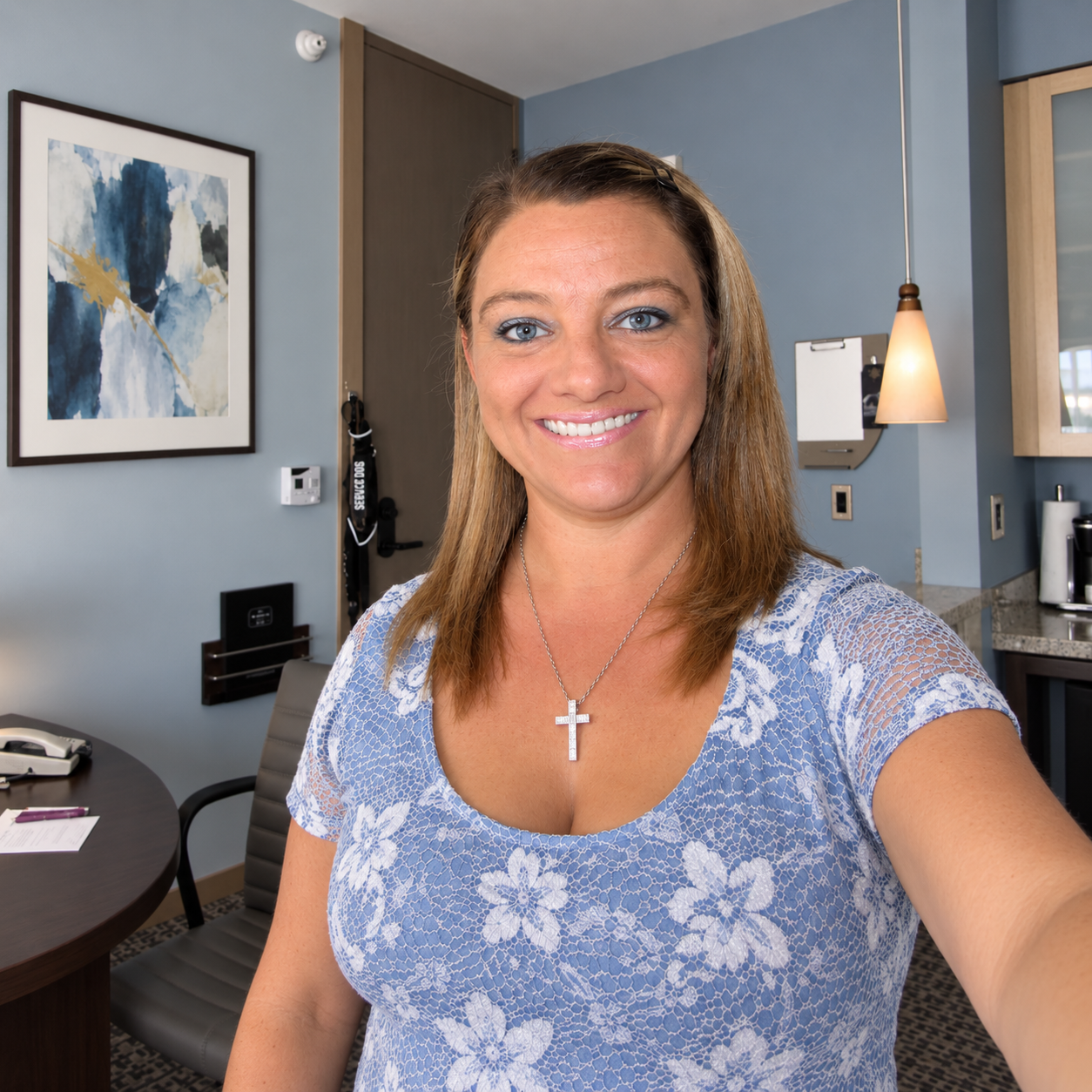
Matthews appeared friendly during the June trip and joined us during part of one Santa Fe outing. I remember walking downtown when I purchased a beautiful diamond cross necklace that I still have. Aside from my wedding rings, it remains my favorite piece of jewelry. The memory is meaningful because faith, discernment, and protection now run through the entire story for me.
His friendliness did not erase what I had observed or overheard in March. I did not confront him because confrontation was not required for me to protect myself. I kept my interactions public, maintained my transportation and lodging, and revealed very little about what I suspected. “Playing dumb” was my exit safety plan. It was a survival strategy I had learned long before New Mexico—from childhood abuse, military abuse, and years of watching controlling people escalate when they realize they have lost access or control.
I did not know exactly who Matthews was speaking with during that March phone call but I have my suspicions including both Colleen Bushnell and Jeremiah Arbogast. I cannot prove it was about me but it felt like he was talking me, What I knew was simpler: I had heard enough to stop placing myself alone in vulnerable situations with people I did not know or trust.
3. June 6: Petroglyphs, Projects, and the Work That Actually Brought Me There
The morning and early part of June 6 were good. My friend and I went to Petroglyph National Monument on Albuquerque’s West Mesa. I love national parks, and the volcanic landscape, ancient images, desert light, and enormous sky immediately pulled me in.
Unfortunately, once we arrived, we realized we did not have enough time to explore the monument properly. Its visitor areas are spread across several locations, and the longer trails deserve time, water, and planning. We did our best to see a couple of areas and take photographs before our work obligations pulled us away. I promised myself I would return someday with Lee and experience it without watching the clock.
That promise means even more now. Lee and I eventually moved West because we love this landscape and want to explore it. New Mexico belongs in my story because of its beauty, history, faith, and freedom—not solely because of the people who made me feel unsafe there.
After our short visit, my friend and I returned to the hotel. We worked on projects, and I participated in media work concerning the Military Justice Improvement Act. The documentary premiere was approaching, but I had responsibilities beyond the film. I had testified about systemic failure, helped present the case for meaningful reform, and was using the platform I had to explain why survivors needed an independent path to justice.
My published media record confirms that this was an unusually active period, not a vacation interrupted by a casual phone call. During 2013, I testified before the House Armed Services Committee, appeared at the May 16 MJIA announcement, and participated in national and regional coverage about military justice, retaliation, security clearances, and the danger of leaving prosecution decisions inside the chain of command. Onyx entered my life in May 2013 through K9s for Warriors. Our first trip together was to Washington D.C. for the MJIA announcement; Albuquerque was our first journey as a working team.
This point matters: I was not in Albuquerque as anyone’s assistant, driver, subordinate, or personal resource. I was a retired Air Force non-commissioned officer, advocate, congressional witness, writer, and survivor doing my own work. My schedule mattered. My boundaries mattered. My safety mattered.
4. The Phone Call: “Will You Pick Up Jeremiah?”
That afternoon, Matthews called and asked whether I would pick up Jeremiah Arbogast at the airport.
I said no. I told him I was busy working and doing media interviews. The answer was direct because the situation was simple: I had obligations, and I was unavailable.
I immediately perceived anger in Matthews’s response. I did not argue, apologize, rearrange my day, or allow his displeasure to become my emergency. If Arbogast needed transportation, that was his problem, not mine. I was not obligated to provide a private ride to a man I did not know simply because Matthews, who called me a media whore in May 2013, decided to volunteer my time.
At that moment, I did not imagine the refusal might carry greater significance. I did not think, This request could place me in a private, unrecorded, he-said-she-said situation. I did not think someone might later twist an interaction, make a false allegation, or use a manufactured conflict to destroy my credibility. I simply knew that I was busy and did not want to pick this prick up.
Yet the boundary accomplished something important regardless of anyone else’s intent: it prevented a private encounter. I did not go to the airport. Arbogast was never alone in my rental car. There was no isolated interaction available for anyone to misrepresent.
That is the documented consequence of my decision. Everything beyond this series of events with Matthews and Arbogast can be fairly evaluated against the evidence and later conduct we documented.
5. The Dinner: Tension, a Snub, and Onyx at My Side
Later that day, my friend and I attended a Justice Denied business dinner to meet the male survivors and others connected to the film. I chose yet another public setting. I had no intention of creating conflict. I was there to support the documentary, meet the participants, and finish what I had traveled to New Mexico to do.
When I tried to introduce myself to Arbogast, I experienced his response as angry and dismissive. He snubbed me. I remember being confused by the intensity because, from my perspective, I had done nothing to him. I had declined an airport errand. Adults are allowed to be unavailable.
My photographs from that evening feel different from the joyful travel images taken earlier in the trip. I did not photograph people or pose for group selfies. I photographed the location and Onyx. Whether by conscious decision or instinct, I turned my camera away from the people in the room.
Onyx was more than a service dog standing quietly beside me. She helped regulate a nervous system already carrying childhood trauma, military trauma, institutional betrayal, and untreated physical illness. She gave me grounding, companionship, and a protective presence. I was not isolated in that room. I had my friend, my own transportation, my hotel room, and my dog.
At the time, my conclusion was straightforward: these men were angry over a boundary, and after the premiere I could simply be done with them. I did not care whether Matthews or Arbogast liked me. I was not in New Mexico to win their approval.
Only later did I begin to ask why such a small refusal appeared to produce such a disproportionate reaction.
The first surviving entries in my published chronology place the backlash immediately after the trip. In the February 2014 timeline I created while the events were unfolding, I recorded that after returning from New Mexico I learned Arbogast had called me a “bitch and a snob” on Twitter. I blocked him on Twitter and Facebook. The same timeline records that he later circulated an unrelated local-news article about my family that included my physical address, and that his wife contacted me with an accusation that I was bullying him even though I barely knew him. I blocked her as well.
The sequence matters. The public hostility did not begin because I pursued Arbogast. According to my records, I refused the ride, experienced anger and a snub, discovered the insulting tweet, and removed him from my online life. Blocking someone is not a campaign against them. It is the digital equivalent of closing the door.
6. What I Believe Now: A Failed Opportunity for Isolation and the Boundary That Protected Me
After later harassment, smears, exclusion, and conflict inside the advocacy world, I revisited June 6 with a very different understanding. I studied my photographs, travel chronology, communications, media work, and the behavior that followed. I compared that day with the disturbing phone conversation I overheard in March and with the self appointed rivalries already surrounding congressional testimony and military-justice reform.
One later record is especially important. In November 2013, a participant in a private Facebook discussion provided me with a copy of the conversation, which I later published (and responded to). The discussion, as preserved on my website, shows participants proposing that they compile false allegations, create lists of recipients, send messages in coordination, contact organizations and political figures, and seek media attention against people they had designated as problems. Arbogast actively participated and obsessively honed in on me. In the preserved exchange, he said he had already emailed people who were using certain survivors as “poster children.” He also discussed contacting Senator Gillibrand’s office after another survivor was selected for an MJIA event and expressed his belief that other advocates had influenced that decision.
People in that advocacy circle really did discuss coordinating complaints and using institutional and media contacts against other survivors and advocates.
The sequence preserved across my two websites
- January 23, 2013: I was invited to testify before the House Armed Services Committee about a broken military justice system, bias, conflicts of interest, abuse of authority, male and female survivors, and service members lost to noncombat deaths, murder, and suicide.
- March 5–8: I traveled to Albuquerque without independent lodging or transportation, participated in Justice Denied and media work, overheard a disturbing call, entered survival mode, and documented my route to the airport.
- May 16: I appeared at the public introduction of the original MJIA, which applied to serious crimes punishable by one year or more.
- May 2013: My later-published timeline records a call in which Matthews objected to the MJIA and said people viewed me as a “media whore.”
- June 3–8: I returned with my own hotel, rental car, friend, and Onyx; refused the airport pickup; perceived anger from Matthews and Arbogast; and traveled and remained in public settings.
- After the June trip: My timeline records Arbogast’s insulting tweet, circulation of a local article containing my address (doxxing) and an accusation that I was a narcissist, and an accusation from his wife that I was bullying him. I responded by blocking contact.
- July 2013: A purported cease-and-desist letter accused me of defaming Colleen Bushnell without identifying the specific statements at issue. I preserved and later published it.
- November 2013: A copied group discussion records participants proposing coordinated letters, shared recipient lists, simultaneous delivery, outreach to organizations and political offices, and pursuit of media attention.
But wait there’s more.
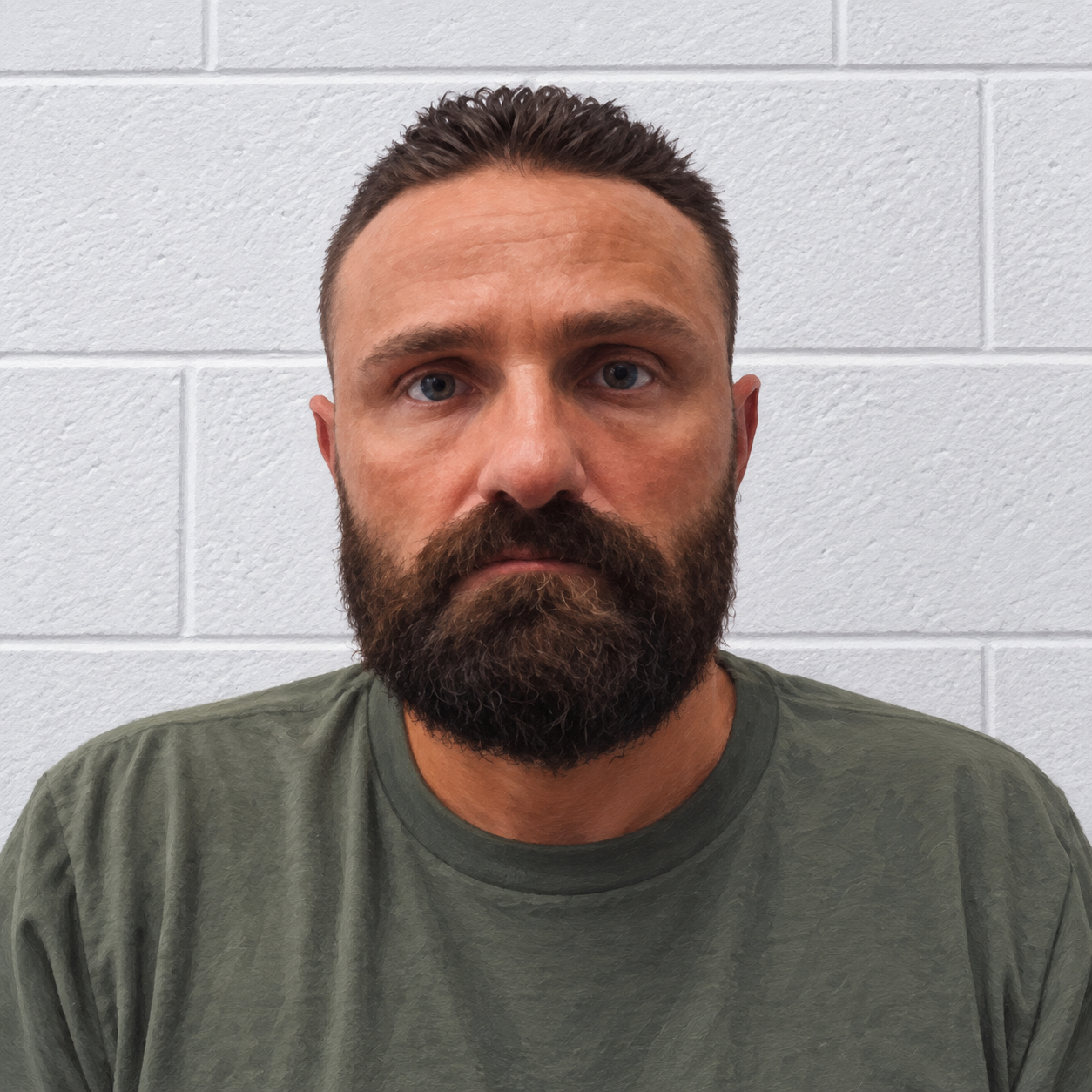
Jeremiah James Arbogast (Photo Source: Cumberland Police Department) On December 27, 2023, Officers from the Cumberland Police Department (CPD) were dispatched to a residence on the 900 block of Grand Ave for an assault. Upon arrival, Officers began an investigation and determined that Jeremiah James Arbogast assaulted a male at the residence. The male did need medical attention at UPMC and was transported by the Cumberland Fire Department. During the assault on the male, Jeremiah James Arbogast also assaulted a juvenile. He was charged with First Degree Assault and Child Abuse Charges. This is one incident from this guy’s past. We will provide you with what we learned with a simple google search.
This chronology is stronger than any insult I could write because it lets readers see the escalation for themselves. It also prevents me from overstating what the evidence can establish: the preserved later communications support my account of an organized pressure campaign, while the claim that the June airport request was designed to manufacture a criminal allegation remains my inference from the complete pattern.
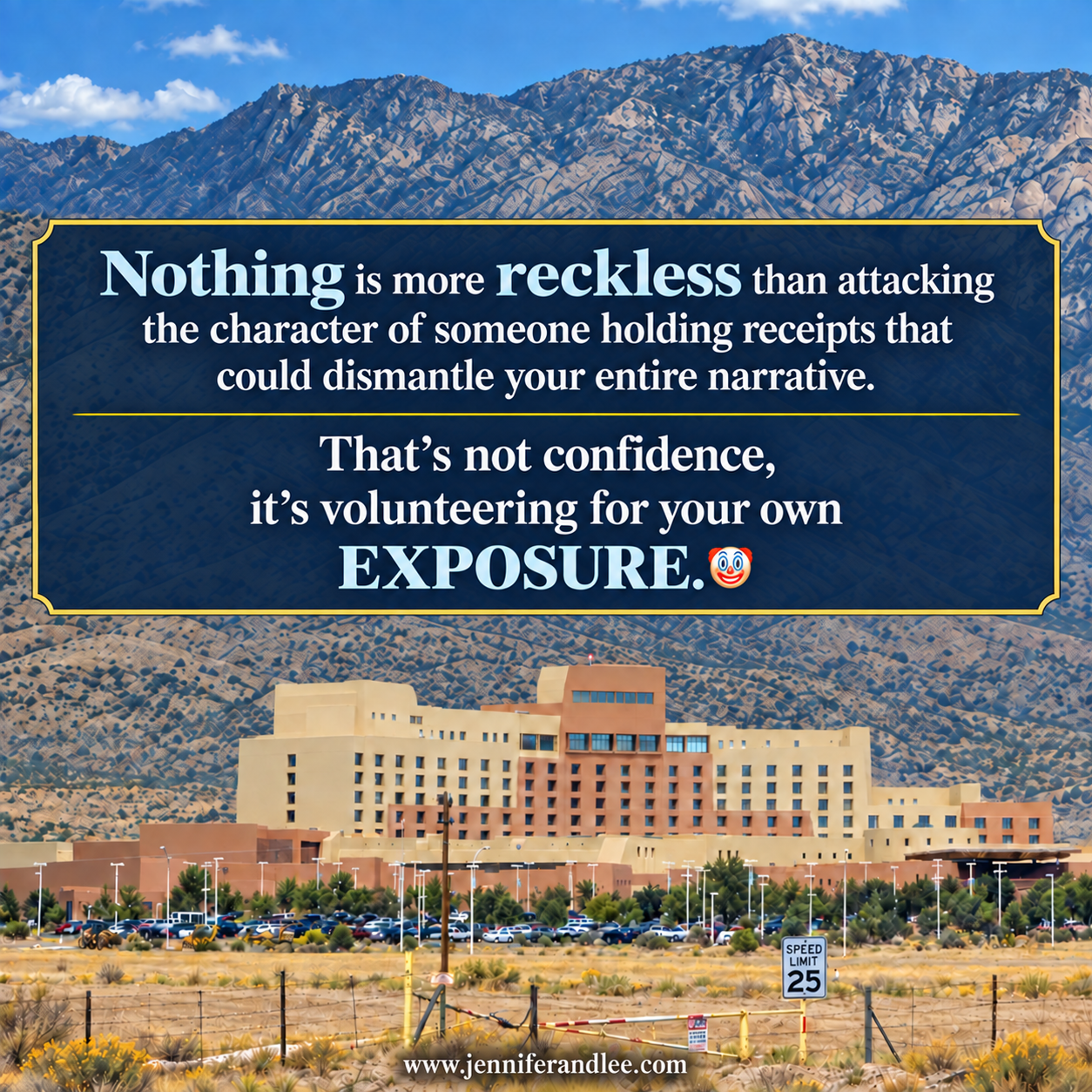
My conclusion is that the airport request may not have been an innocent transportation favor. I now believe it may have been an attempt to isolate me with Arbogast and create the conditions for a damaging allegation or confrontation. I declined the private encounter, both men appeared angry afterward, and later events caused me to interpret the request as part of a larger effort to remove me from advocacy for good, dead or alive.
That interpretation also developed within a broader conflict. By then, I had already experienced hostility from Colleen Bushnell after I was selected to testify before Congress. I later came to believe that Bushnell and Nancy Parrish of Protect Our Defenders viewed survivor testimony, media attention, and competing reform proposals through a lens of ownership and control. I believed the survivors who inspired the Military Justice Improvement Act were being displaced by organizational gatekeeping and a demand for compliance.
The surviving record also demonstrates that I did not suddenly appear after others had done the work. My media archive documents sustained national advocacy beginning in 2011, my January 2013 congressional testimony, and my participation in the May 2013 MJIA announcement. That does not entitle me to own a movement or a law. It does rebut any suggestion that my role was imaginary, incidental, or manufactured after the fact.
The reform debate was never merely about encouraging victims to report sexual assault. Sexual assault was one part of a much larger justice crisis. Service members harmed by serious crimes could be trapped inside a command structure that controlled their careers, medical care, reputations, investigations, and access to accountability. Women, whistleblowers, trauma survivors, and anyone viewed as inconvenient could face institutional skepticism before the facts were ever considered. A law addressing only the surface problem could not cure a system in which the people accused of abusing authority still possessed the power to decide whose account mattered.
That is why survivor voices were so important—and why control over those voices carried power, access, money, and reputation. I went into advocacy believing a shared history of trauma created a shared commitment to justice. I learned that some people can stand beside survivors publicly while exploiting their vulnerability privately. A worthy cause does not purify everyone attached to it.
June 6 now represents both danger and divine protection to me. I was sick, neurologically injured, exhausted, and unaware of the full landscape around me. Yet some part of me still knew how to say no. The boundary was not dramatic. There was no confrontation, accusation, or heroic speech. I simply refused to surrender my time, vehicle, and physical access to people who had not earned my trust.
The plan failed because I was never alone with Arbogast. My boundary was reasonable and protective after overhearing Matthew’s conversation on the phone and being called a “media whore.” Who does he think he is? That is the lesson I want other vulnerable people to carry forward: you do not need solid proof of another person’s intentions before you protect your own safety. You do not owe anyone private access, transportation, lodging, emotional labor, immediate compliance, or an explanation that satisfies them. Trust your central nervous system.
The word “no” gave them nothing to work with that afternoon. And when the private opportunity disappeared, what followed, in my experience, was collective punishment through smears and exclusion. That part of the story—and the evidence supporting my account—will continue.
I once thought June 6 was the day I briefly visited Petroglyph National Monument, returned to my hotel to work, and attended a documentary dinner. Now I understand it as the day a simple boundary may have prevented a life-altering situation.
I said no.
I kept control of my car.
I stayed in public.
I had Onyx beside me.
And I made it home.
Sources and Related Reading
- State of New Mexico series — Jennifer and Lee
- A Brief Visit to Petroglyph National Monument in Albuquerque, New Mexico (June 6, 2013)
- Justice Denied at AFMX 2013: Military Sexual Assault Advocacy, Faith, and Survival in Albuquerque
- From Excitement to Survival Mode: The Albuquerque Trip That Changed How I Trusted, Traveled, and Protected Myself
- Trapped in an Abusive Chain of Command: What I Told The World About Sexual Assault in the Military
- Official House Armed Services Committee written testimony of TSgt Jennifer Norris (January 23, 2013)
- Senator Kirsten Gillibrand Leads Bipartisan Coalition to Reform the Military Justice System: MJIA (May 16, 2013)
- Jennifer Norris: Military Crime Historian and Policy Analyst — Media Archive
- Timeline of MST Gang Stalking (published February 27, 2014)
- Organized Gang Stalking in the MST Community (February 25, 2014)
- Preserved November 2013 Facebook discussion concerning coordinated complaints and outreach
- Senator Kirsten Gillibrand: Military Justice Improvement Act history
- Senator Kirsten Gillibrand: Military Justice Improvement Act testimony

 Jennifer and Lee