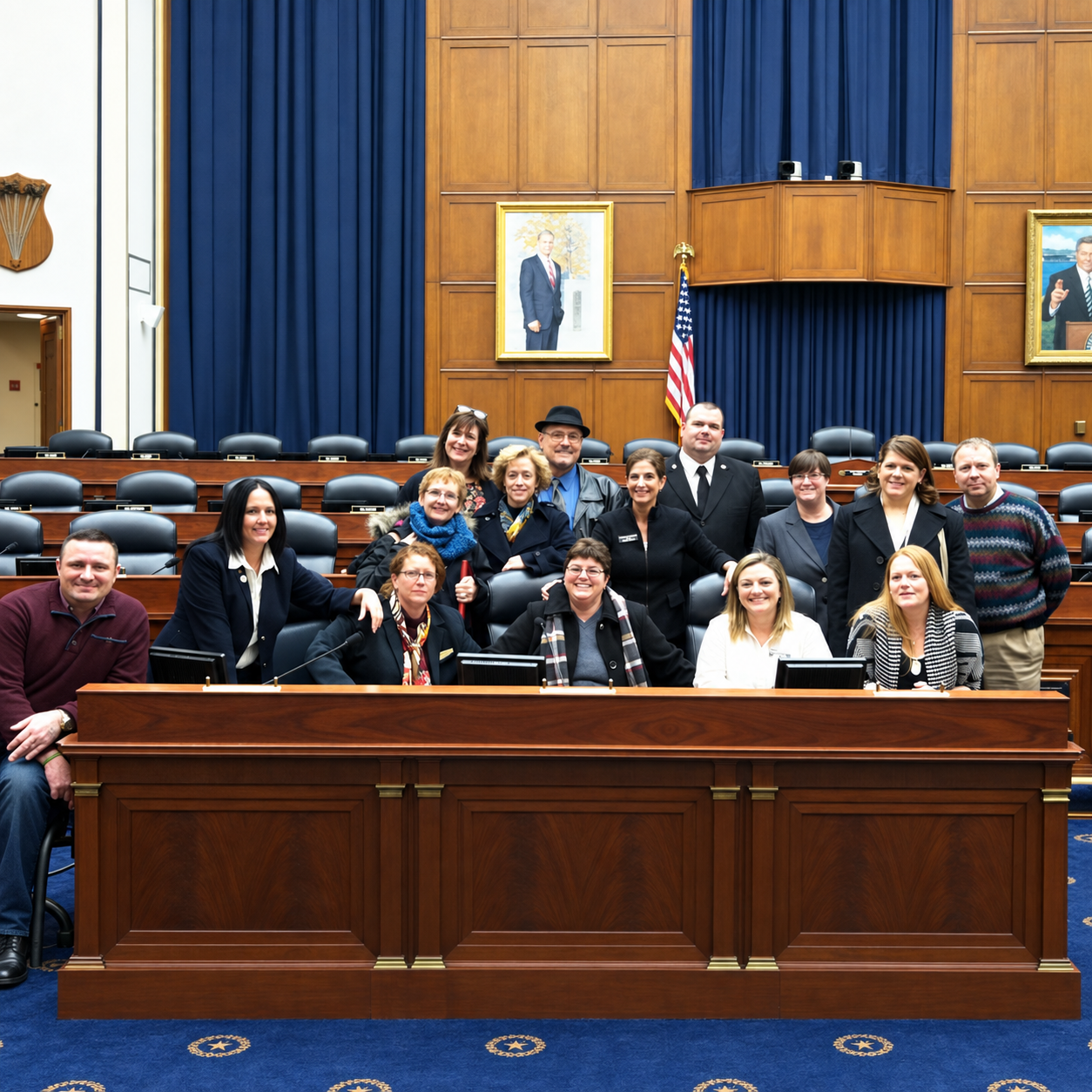
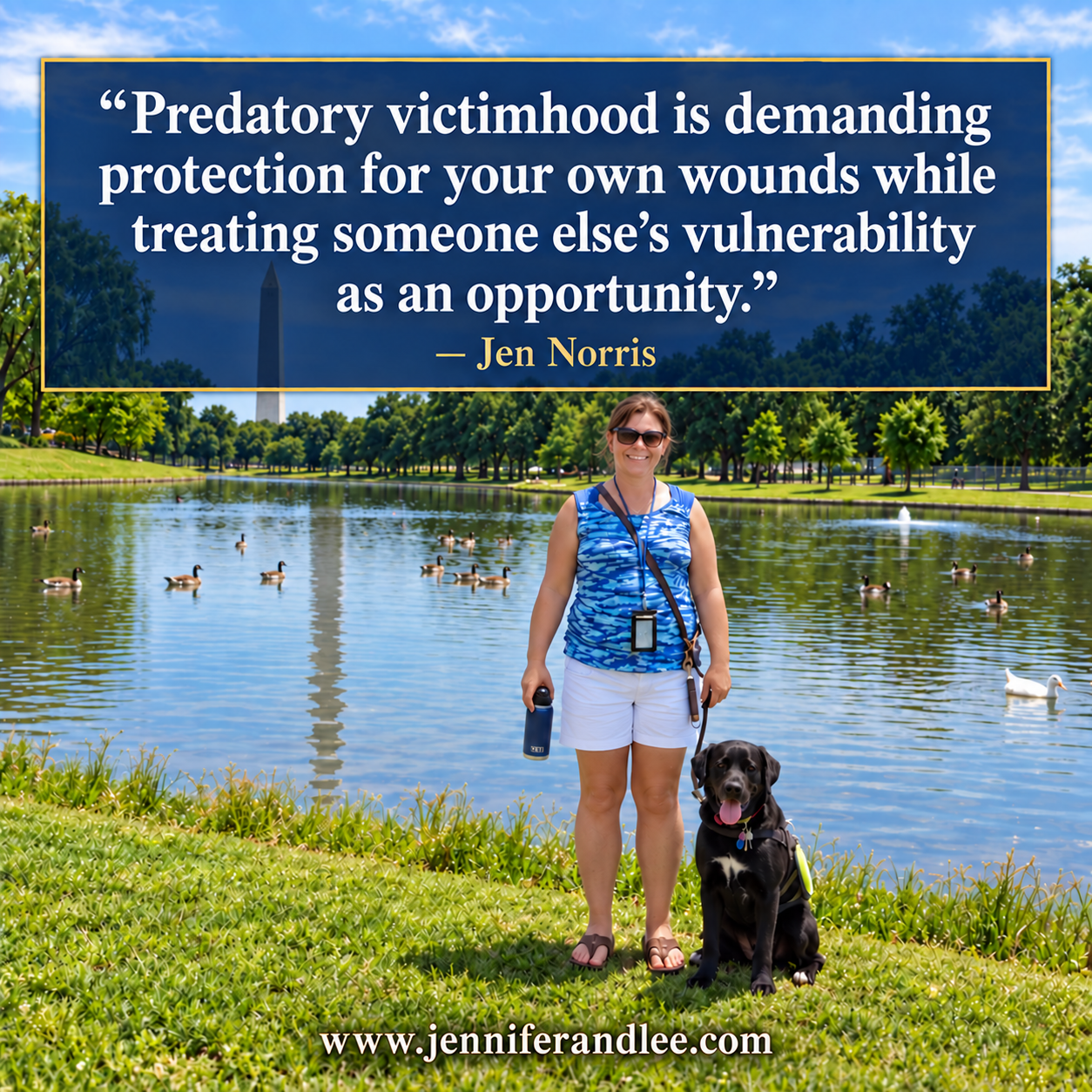
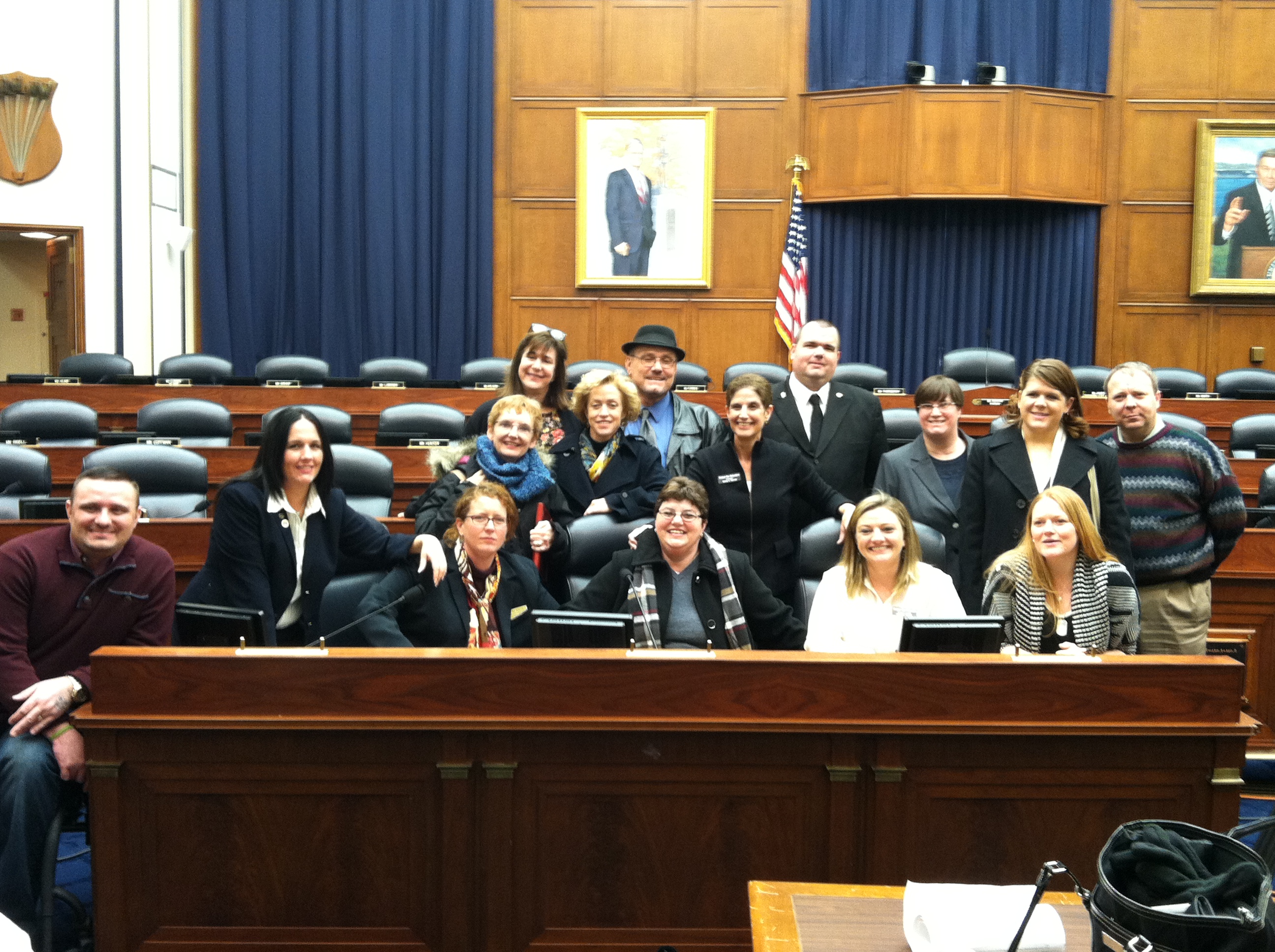
This should have been a historic moment. Instead, I see a photo tarnished by across state line crime—and by people who used their victimhood to seek access, money, power, and other selfish gains. Nine people pictured here abused me. Some participated directly; others minimized, dismissed, or blamed me for a neurological beatdown I did not deserve. They dehumanized me and two others in this photo. The loudest voices begging for justice were dispensing vigilante justice. That is predatory victimhood: demanding justice for yourself while exploiting someone else’s vulnerability.
By Jen Norris
Author’s note: I reconstructed this account from dated photographs, my June 2013 journal entry, published advocacy records, and later recollections. Some posts in the June 2013 archive were written or expanded years after the events they describe. I distinguish what I witnessed from the conclusions I reached later.
Sometimes the most consequential word you say is the one that disappoints somebody else.
In June 2013, I said no to an airport pickup. I was in Albuquerque, New Mexico to support Justice Denied, a documentary about male survivors of military sexual assault. Michael Matthews asked me to collect Jeremiah Arbogast, a man I barely knew. I had work to do, plans with the friend traveling with me, and no obligation to put a stranger in my rental car. So I declined.
At the time, it was a simple decision. Looking back at what happened before and after it, I believe that NO changed the course of my life.
To understand why, you have to go back to my first Albuquerque trip three months earlier.
March: A Cause I Believed In, and Warning Signs I Could Not Ignore
I flew from Maine to New Mexico on March 5, 2013, after a last-minute invitation to participate in Justice Denied. I cared about the film’s mission. Male survivors were too often missing from public conversations about sexual assault in the military, and I wanted their experiences heard. I was excited to see a new place and work with people I thought shared my commitment to survivors.
I also arrived without my own car or lodging. Someone else had paid for my flight, and I stayed in Matthews’s home. I was far from Lee, dependent on people I barely knew, and living with trauma and brain injuries that had not been properly understood or treated. I could still speak, travel, and advocate but that outward ability did not erase my vulnerability.
On March 6, I explored Albuquerque, saw the KiMo Theatre, and prayed the Lord’s Prayer at San Felipe de Neri Parish. I loved the city’s history, light, and wide-open sky. I also noticed private behavior in the home that troubled me, including the way my host treated people close to him and how the atmosphere changed when he drank. The generous invitation began to feel less safe than it had from a distance.
On March 7, I spoke with Marco Werman of The World at KUNM about military sexual assault, retaliation, and the danger of seeking justice through an abusive chain of command. People connected to the documentary and advocacy community had helped arrange that interview. Later that night, I overheard a phone conversation that sounded to me like people discussing how to take somebody down. I cannot prove who was on the other end but Matthews sounded like an evil gangster and that was enough for me. I was frightened, and I no longer felt comfortable under that roof.
I did not confront anyone while I was dependent on them for a ride to the airport. On March 8, I stayed composed, quietly documented parts of my route, and got home. My photographs helped me reconstruct that last day years later. I learned something I would carry back to New Mexico: shared advocacy does not automatically mean shared character, and a person needs a way to leave when trust breaks down.
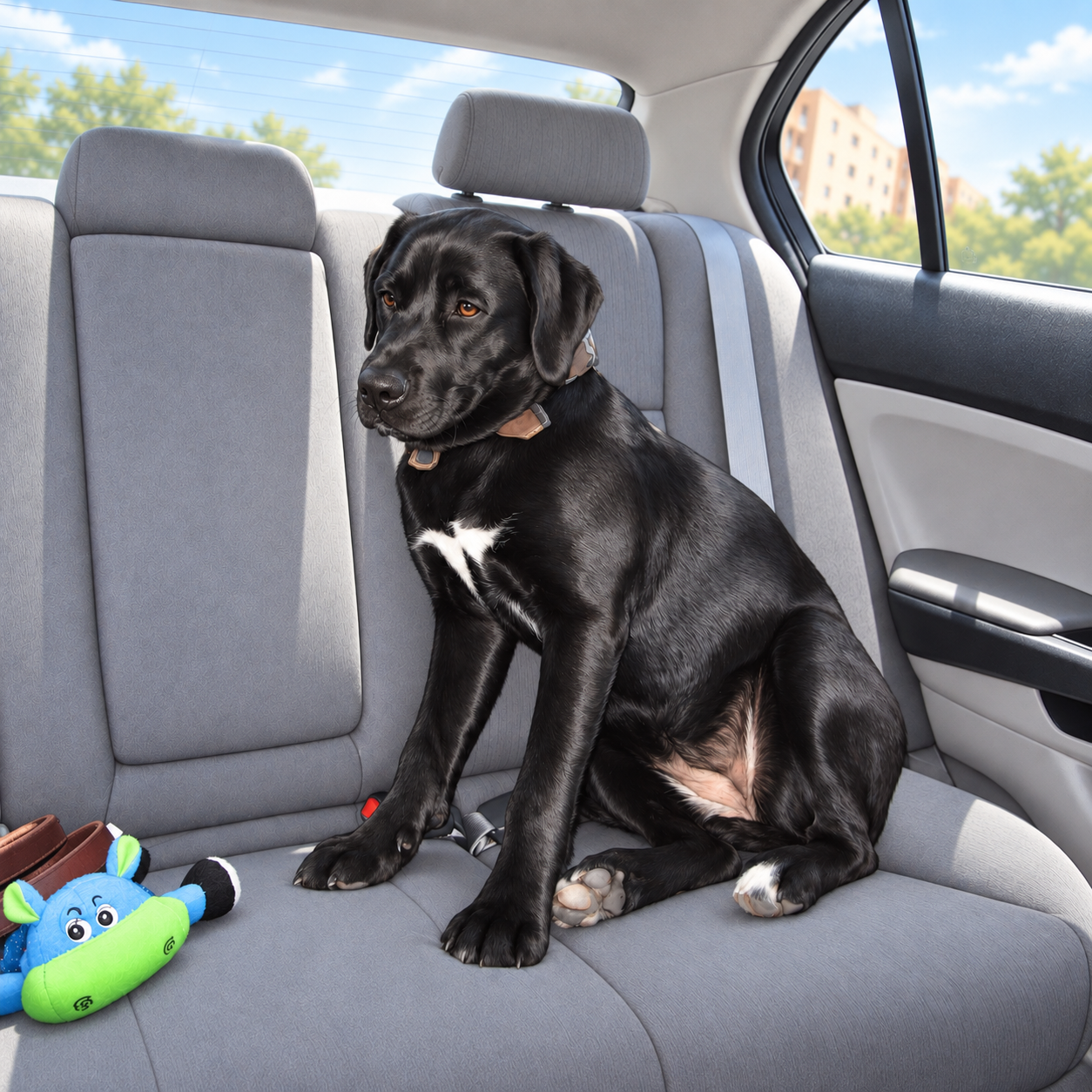
National Service Dog Day: Onyx Saved My Life, One Day at a Time (September 20, 2026)
June: I Returned With My Own Way Out & A Dog
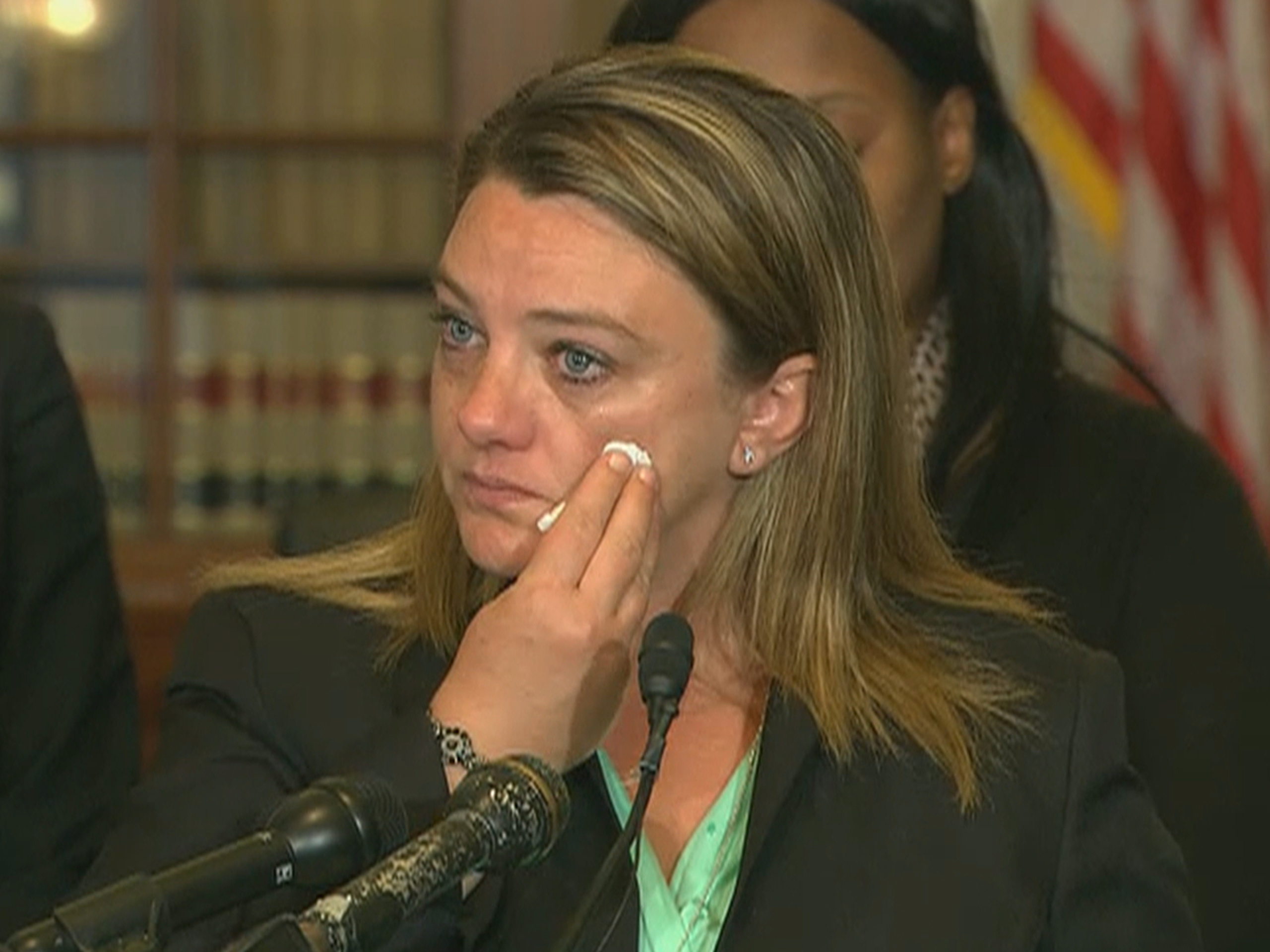
Between the trips, my advocacy continued. I testified to the House Armed Services Committee in January about bias and conflicts of interest in military justice. On May 16, I stood with other survivors and Senators Kirsten Gillibrand and my Senator, Susan Collins, at the introduction of the original Military Justice Improvement Act. It proposed moving decisions about prosecuting most serious military crimes outside the chain of command. I supported that broader path to justice for male and female survivors and for people harmed by other serious crimes.
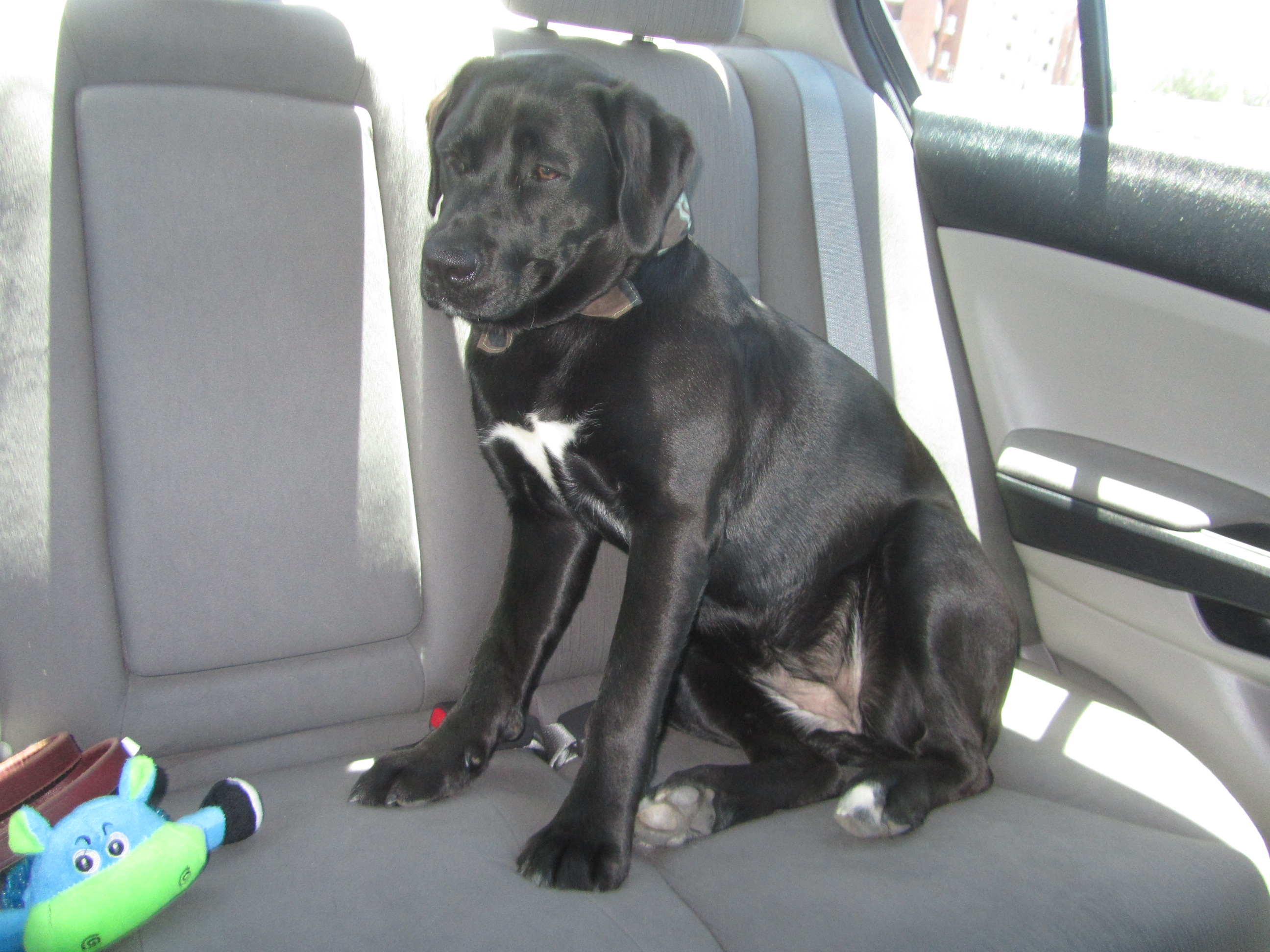
Onyx had come into my life as my new service dog in May 2013. Our trip to Washington, D.C., to help introduce the Military Justice Improvement Act, was our first trip together. She even licked Senator Gillibrand’s leg. I remember that moment with joy, but the trip also marked a turning point in my advocacy. Matthews told me the bill was not the answer and claimed that “everyone” thought I was a “media whore.” The media had contacted me; I had not gone looking for attention. Looking back, I see his remarks as the first step in a larger pattern. I believe Matthews and Arbogast later used underhanded tactics to take control of the bill’s narrative and railroad the work we had fought to advance.
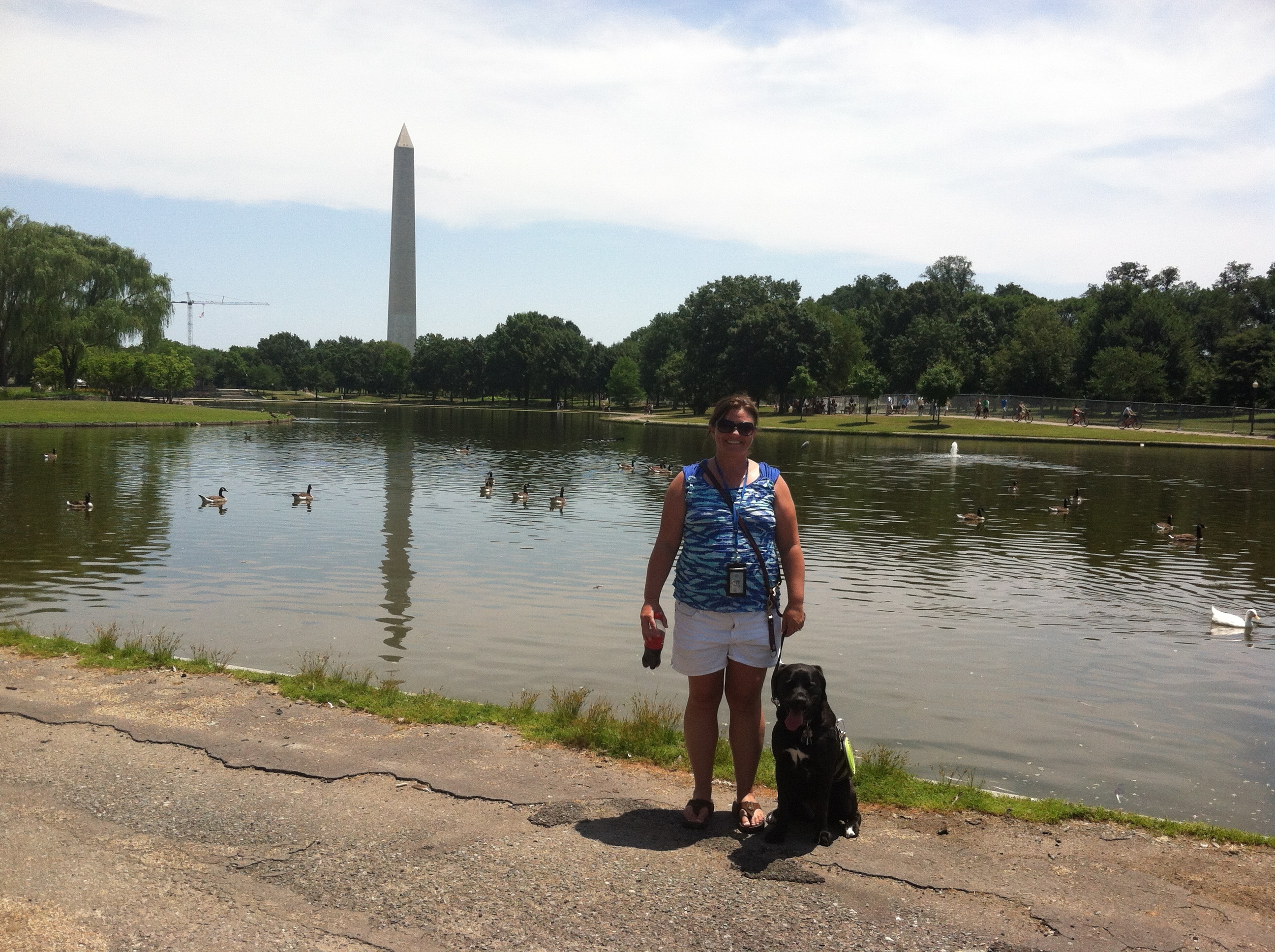
When I returned to Albuquerque on June 3 for the documentary premiere, she came with me. So did a friend. This time, I had a hotel room and a rental car of my own. I could choose my schedule, keep interactions public, and leave when I needed to.
We did the work and enjoyed the trip. We explored Santa Fe, including its cathedral and Loretto Chapel. We made a spontaneous Route 66 stop, visited Pecos National Historical Park, and spent time on advocacy and media work. I photographed places and people who reminded me why dignity matters, including a veteran experiencing homelessness. On June 6, we made a brief visit to Petroglyph National Monument before returning to our other commitments. The BioPark Botanic Garden became another part of the trip’s story.
Those happy details matter. I was there to support male survivors, do my own work, and experience New Mexico. I was living my best life with Onyx. I refuse to let the people who targeted and abused me claim every beautiful memory of my time in Santa Fe and Albuquerque.
June 6: One Ordinary Boundary
After our brief stop at Petroglyph, we returned to the hotel to work. Matthews called and asked me to pick Arbogast up at the airport. I said no. I didn’t like Matthews, I was busy, and Arbogast is another f*cking stranger I refuse to be alone with. Of course Matthews was angry with my answer. Their set up failed and they could no longer make a false allegation while I was alone with Arbogast at the airport.
That evening, my friend, Onyx, and I went to a dinner connected to the documentary. When I tried to introduce myself to Arbogast, I got an angry snub. I could not understand at the time why declining a ride seemed to matter so much. I stayed focused on the men whose stories had brought me there. At the end of the day, I really don’t care who likes and doesn’t like me.
Years later, after reviewing the trip and the hostility that followed, I came to believe the airport request was indeed an attempt to place me in a situation alone with Arbogast so the encounter could be twisted into an allegation or confrontation. This also would have been the perfect media opportunity for the documentary that was about to premiere in two days. Thank God, I did not pick Arbogast up. He could have accused me of life altering allegations in an effort to push me over the edge. I believe Colleen Bushnell was involved in the planning. This isn’t her first rodeo.
June 8: I Showed Up for Survivors and Defended the Bill
On June 8, we went to the historic KiMo Theatre for the Justice Denied premiere. I had been interviewed for and featured in the film. Whatever tension I felt around some of the people involved, the male survivors on screen deserved to be heard. We watched the documentary and supported them.
During the question and answer period, Matthews challenged the Military Justice Improvement Act before the audience. I experienced the moment as personal as well as political. Only weeks earlier, another film participant and I had helped stand up for that legislation with Gillibrand and other survivors. I stood and defended it because I believed decisions about serious crimes should not rest with a chain of command that could have conflicts of interest. Disagreement about a bill is fair. Trying to discredit the people who support it is another matter.
After the screening, my friend and I stopped at the gathering down the street, sat together, and had one drink. I remember feeling isolated and noticing expressions I read as hostile. I cannot tell anyone what the people across the room were thinking. I can tell you what I felt, and why it mattered that Onyx, my friend, my car, and my hotel room were there. We left on our own terms.
What Followed Us Home
Around the end of the trip and after I returned to Maine, I learned that Arbogast had publicly called me a “bitch and a snob.” I blocked him. I wanted distance from a conflict I had never sought. Later, an unrelated local article containing my address was circulated, and claims that I was bullying him followed. My earlier timeline records that sequence; blocking someone was my effort to end contact, not evidence that I had organized a campaign against him.
The trip was still affecting me as I traveled home. In a journal entry dated June 10 (a mistake because I flew home on June 9th), I described a severe panic attack during airport screening and the comfort Onyx gave me afterward. This incident revealed how much I was carrying, how easily an encounter involving authority and loss of control could overwhelm me, and how important Onyx had already become to my safety.
The reform debate continued, too. On June 12, Gillibrand expressed frustration that survivors’ voices were not being heard in the argument over military justice. I had gone to Albuquerque to support one set of survivors while speaking up for a change that could help many more. I did not expect my willingness to speak to become grounds for a campaign against my credibility. In a cruel twist, the clowns Protect Our Defenders and then Senator Gillibrand used as photo ops to push the bill shut everyone down.
The attacks did not end with a tweet. In a November 2013 group discussion that I later obtained and published, participants discussed coordinating allegations and contacting advocacy organizations, political offices, and media figures about people they opposed. Arbogast participated, and I was discussed by name. This record supports my account of a coordinated pressure campaign. Isn’t this also known as coercive control?
It was a failed setup followed by a Plan B: a smear campaign. That is the conclusion I reached after living through the backlash and putting the records in order. The impact was real. My health, sense of safety, and advocacy work suffered. Interestingly enough, the radio interview arranged during my March trip was published in August, when I was being attacked for speaking publicly.
What This Story Means Beyond New Mexico
People who are vulnerable can become targets because someone recognizes a useful opening: a need for help, a fierce commitment to a cause, an illness others cannot see, a history of abuse, or a desire to be polite and fair. A person who wants access can present it as generosity. A person who wants compliance can call a reasonable boundary selfish. If access is denied, that person may try to make the boundary itself the offense.
This can happen in a family, workplace, church, volunteer group, or advocacy movement. A title, a shared trauma, and a public promise to help people do not tell you how someone will treat you when you say no. Watch what happens when you disagree, keep your own transportation, refuse a private favor, or ask for space. A disappointed person can accept a boundary. Someone who punishes it is showing you something important.
Predatory behavior is a choice made by the person doing harm. In March, I trusted people and accepted an invitation for a cause I believed in. In June, I returned with better safeguards. I was still entitled to support survivors, enjoy New Mexico, and say no to an errand that was not mine.
My no did not stop the smear campaign but it did prevent the private airport encounter and a false accusation or some kind of danger. I can’t image the outcome if they had been successful. A false allegation from a stranger with connections to people who had access to the media would have been devastating. The media was in their believe everyone phase and I would have been sold out with no evidence and a he said, she said accusation too.
That is why I tell this story now. If someone studies your vulnerability and treats your kindness as an opening, you do not owe them more access to prove you are a good person. You are allowed to have a dog. You are allowed to leave. And you are allowed to say no. Sometimes one ordinary no is the reason somebody else never gets to write the next chapter of your life.
Original Photos
I found 29 unique linked articles and records in “The ‘No’ That Changed My Life”. Here they are in chronological order, with repeated links combined. The dates follow the linked pages’ URLs; some accounts were written or expanded later.
Sources and Related Reading
- September 15, 2012 — Institutional Betrayal: How the U.S. Air Force and U.S. Navy Failed Victims Who Reported Sex Offenses by Superiors
- January 23, 2013 — Air Force NCO Testified Before the House Armed Services Committee in Washington DC
- March 6, 2013 — My First Full Day in Albuquerque, New Mexico: Excitement, Faith, and Warning Signs
- March 6, 2013 — Divinely Protected: The Lord’s Prayer I Prayed at San Felipe de Neri Parish
- March 7, 2013 — From The World Radio Interview to Gang Bullying Three Months Later
- March 8, 2013 — Playing Dumb Until I Reached the Airport: My Last Day in Albuquerque
- March 13, 2013 — Senate Armed Services Subcommittee on Personnel: Hearings on Sexual Assault in the Military
- May 16, 2013 — Senator Kirsten Gillibrand Leads Bipartisan Coalition to Reform the Military Justice System: Military Justice Improvement Act
- June 3, 2013 — The Trip That Changed Everything: Jennifer and Onyx Fly to Albuquerque
- June 4, 2013 — Santa Fe, New Mexico: A History Lesson Through Its Most Iconic Landmarks
- June 4, 2013 — Cathedral Basilica of St. Francis: History, Art and Architecture
- June 4, 2013 — Loretto Chapel: The Mystery of Santa Fe’s Miraculous Staircase
- June 5, 2013 — Route 66 Nostalgia, an Albuquerque Casino Detour, and a Strange Warning Hidden in My Photos
- June 5, 2013 — Exploring Pecos National Historical Park in New Mexico
- June 5, 2013 — A Veteran Advocate’s Day in Albuquerque: Glamour Magazine, Veteran Homelessness, and Military Justice Reform
- June 6, 2013 — A Brief Visit to Petroglyph National Monument
- June 6, 2013 — One Reasonable Boundary, Two Angry Strangers, an Internet Beatdown, and the Smear Campaign That Upended My Advocacy Efforts
- June 7, 2013 — New Mexico Film Experience Trip: A Walk Through Albuquerque’s BioPark Botanic Garden
- June 8, 2013 — I Went to New Mexico to Support Male Survivors in a Documentary, and Came Home to a Smear Campaign
- June 10, 2013 — Dear Diary Day: My Journal Entry About PTSD, TSA, and My Service Dog Onyx
- June 12, 2013 — Gillibrand: “I’m Distressed That the Victims’ Voices Aren’t Being Heard in This Debate”
- August 15, 2013 — Trapped in an Abusive Chain of Command: What I Told The World About Sexual Assault in the Military
- November 17, 2013 — Protect Our Defenders “Advocacy” Network: Coordinated Allegations, Reputation Attacks and Gatekeeping
- February 28, 2014 — One of My Abusers Falsely Accused Me of Defaming Her on Facebook and Started a Cascade of Hate
- January 29, 2024 — After Lead Poisoning Symptoms Were Dismissed by a PTSD Diagnosis
- June 2, 2024 — Surviving Injustice: Disabled Veterans Battling to Overcome a Defamatory Article in a Rural Maine Newspaper
- July 4, 2024 — False Narratives with National Consequences: How Our Traumatic Past Was Weaponized Against Us
- August 28, 2026 — From Excitement to Survival Mode: The Albuquerque Trip That Changed How I Trusted, Traveled, and Protected Myself
- September 20, 2026 — National Service Dog Day: Onyx Saved My Life, One Day at a Time


