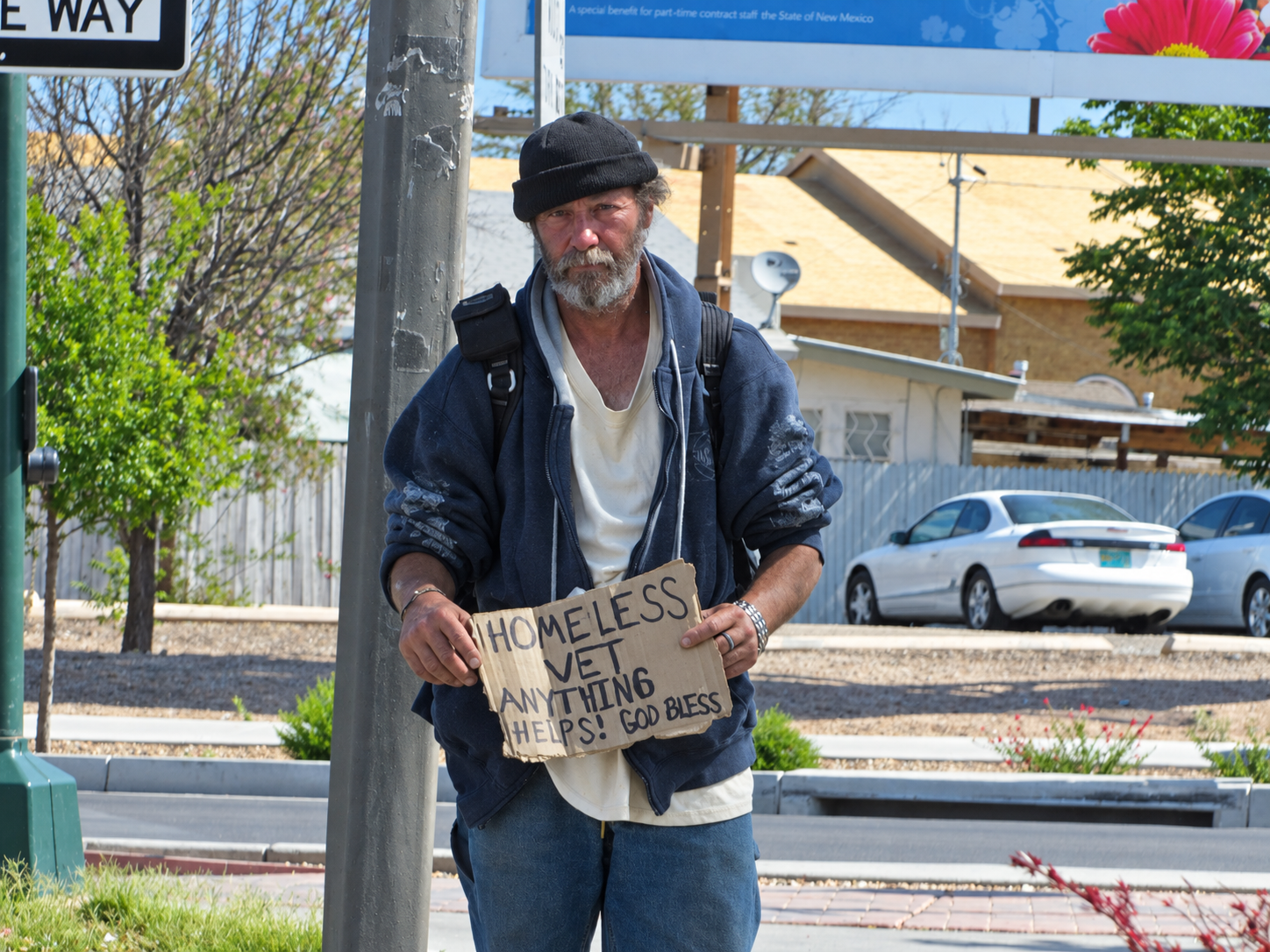
I know for a fact that I would have never taken this veteran’s picture without his permission.
There is something deeply strange about searching through the history of your own life when you can no longer remember much of it. The photographs are mine. The places are familiar. I recognize the people and sometimes even the emotions on their faces. Yet many of the moments themselves feel as if they belong to someone else.
After brain injuries and the loss of most of my memory, looking through old photographs has become more than reminiscing. I am reconstructing my life one fragment at a time. Every image is another puzzle piece—evidence of where I went, what mattered to me, whom I met, and who I was before injuries and trauma disrupted the continuity of my story.
Recently, I found a photograph I had taken of a homeless veteran. The image stopped me because taking a photograph of someone in such a vulnerable position without first connecting with them would be completely out of character for me. I have never wanted to make struggling people feel exposed, uncomfortable, or reduced to the circumstances in which I found them. I do not see homelessness as a spectacle, and I would never want another human being’s pain to become a prop.
I cannot honestly reconstruct the entire encounter. I do not remember exactly what we said, and that uncertainty matters. Memory loss leaves me with questions that a photograph alone cannot answer. But, I know me. And I know I most likely approached him after accidentally shooting a picture of him.
What I do know for certain is who my husband and I have consistently been. We give food and money to people experiencing homelessness, especially veterans. We do it because we recognize their humanity and because the distance between security and catastrophe is often much smaller than society wants to admit.
I know I gave this veteran money. I also believe I had permission to take the photograph because I would never have taken it otherwise. Perhaps I explained that I was a fellow veteran and an advocate. Perhaps I told him that I wanted other people to understand what veterans can endure after their service ends. Perhaps he wanted to be photographed because he wanted to be seen and heard.
I cannot present those possibilities as remembered facts, but they fit the values that have guided my life.
Lee and I understand how easily our own lives could have ended very differently. Without one another’s support, either of us could have become homeless—or died. We were trying to survive brain injuries, trauma, a devastating lack of family support, and institutional betrayal by systems that were supposed to help us.
When the people and institutions around someone withdraw care, disbelieve their suffering, or punish them for needing help, even a strong person can be pushed frighteningly close to the edge.
That is why we have never looked at a homeless person and seen a failure. We see a human being whose full history is invisible to passersby. We see someone who may have served this country, survived trauma, lost family support, struggled with an injury, or been abandoned by an institution.
We see how quickly one medical crisis, one abusive relationship, one bureaucratic failure, or one betrayal can unravel a life.
I never shared this photograph after that trip. Soon afterward, I became a target of bad actors who wanted control of the survivor bill and advocacy work to which I had devoted myself. My energy shifted from helping others publicly to trying to survive what was being done to us. The photograph disappeared into an archive along with many other pieces of a life my injured brain could no longer easily access.
Finding it now feels significant. It gives me an opportunity to make space for this veteran—not by pretending I remember his story, speaking for him, or turning his hardship into content, but by acknowledging that he mattered.
He was there. I saw him. I cared then, and I care now.
His photograph also reminds me that dignity must remain at the center of advocacy. People experiencing homelessness do not owe us their stories, their images, or proof of their suffering. If we tell their stories, we must do so with humility.
Reconstructing my life after brain injury means living with unanswered questions. It means discovering evidence of my former self and learning to trust the pattern of compassion running through it, even when individual moments remain beyond my reach.
This photograph is one small piece of that puzzle. It tells me that even while I was carrying pain of my own, I was still noticing the pain of others.
Today, I want this veteran—and every person without a safe place to live—to know that we care. We care about the veterans who returned home carrying wounds other people could not see. We care about those failed by their families, communities, healthcare systems, and institutions. We care about the people society passes without learning their names.
I may never recover the exact conversation behind this photograph. But I can honor the humanity at its center. I can refuse to look away. And I can use the life I am slowly piecing back together to remind others of a truth that should never be controversial:
Homelessness does not erase a person’s dignity, and no human being should have to become invisible before the rest of us decide to care.
Loma Linda Community Center
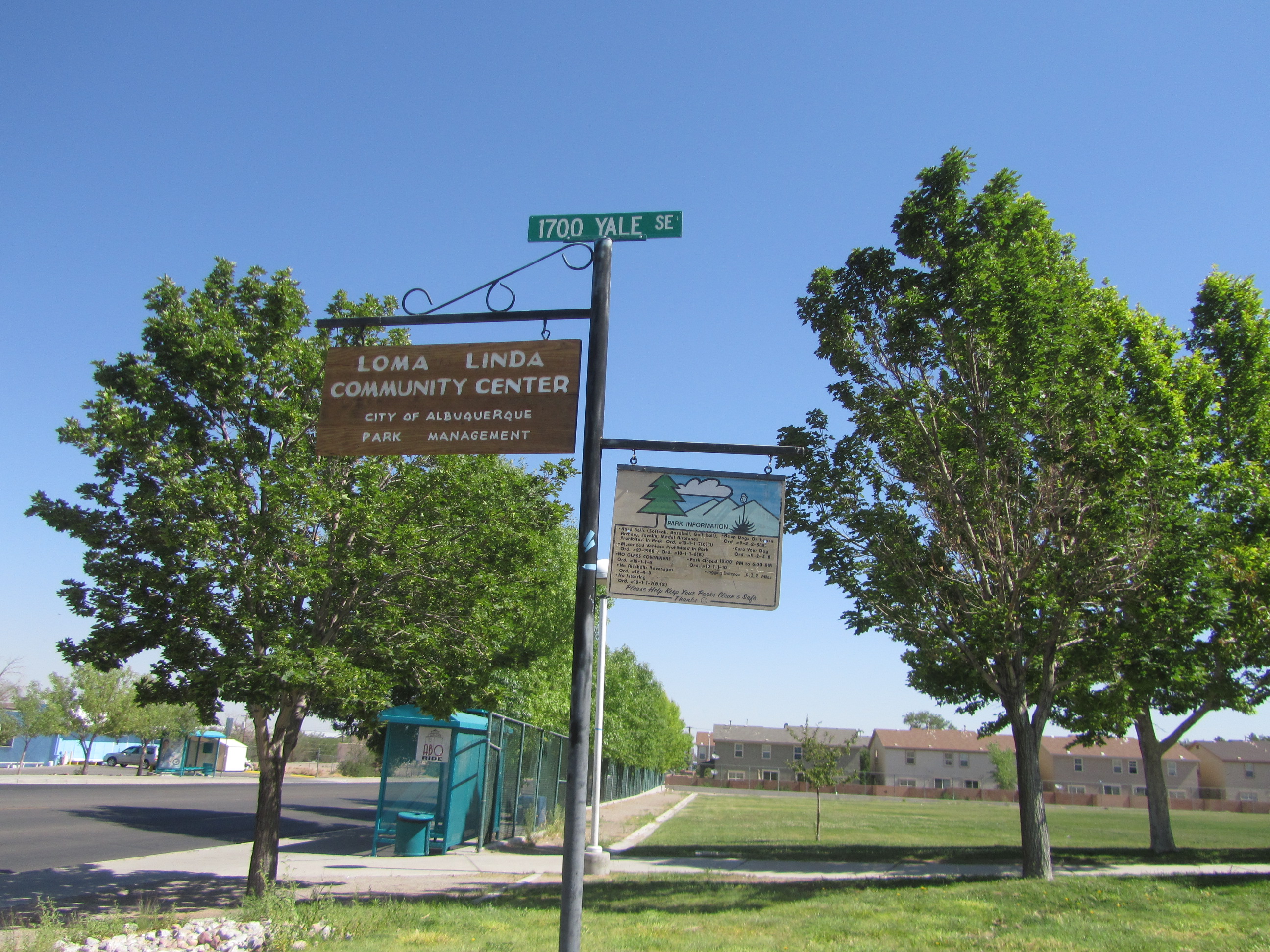
Loma Linda Community Center & Inclusion Recreation

The Trip That Changed Everything: Jennifer and Onyx Fly to Albuquerque, New Mexico (June 3, 2013)
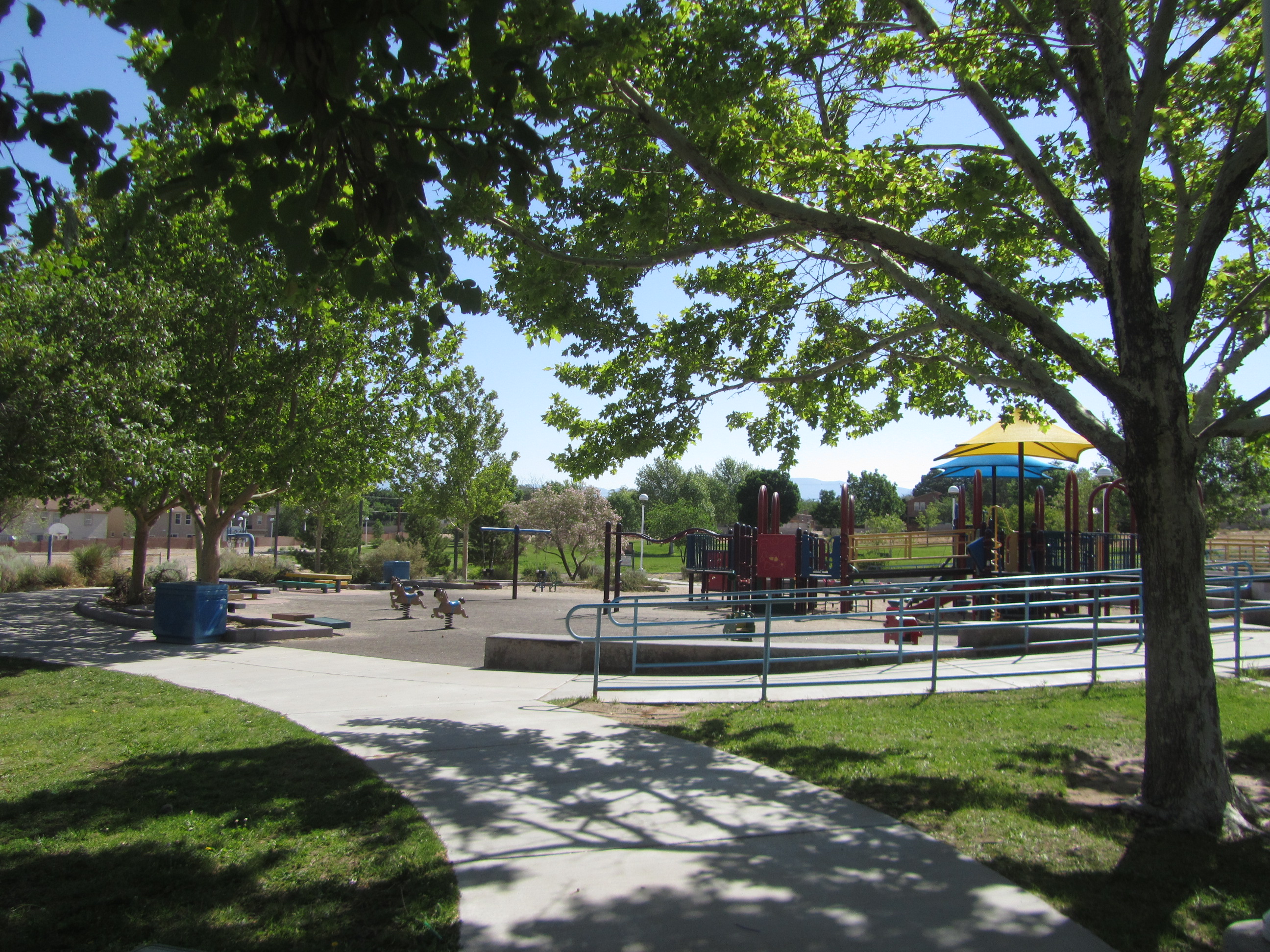
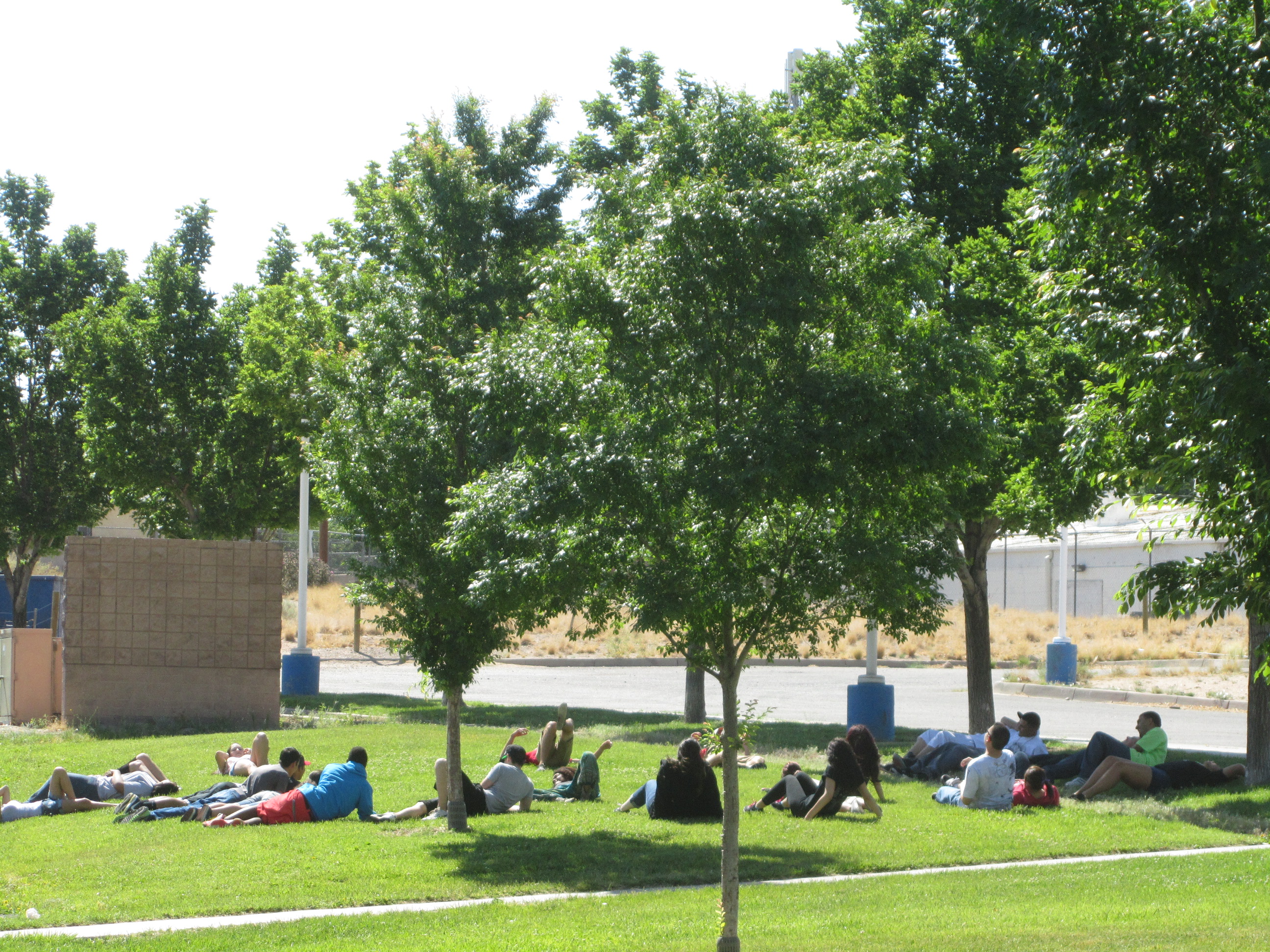
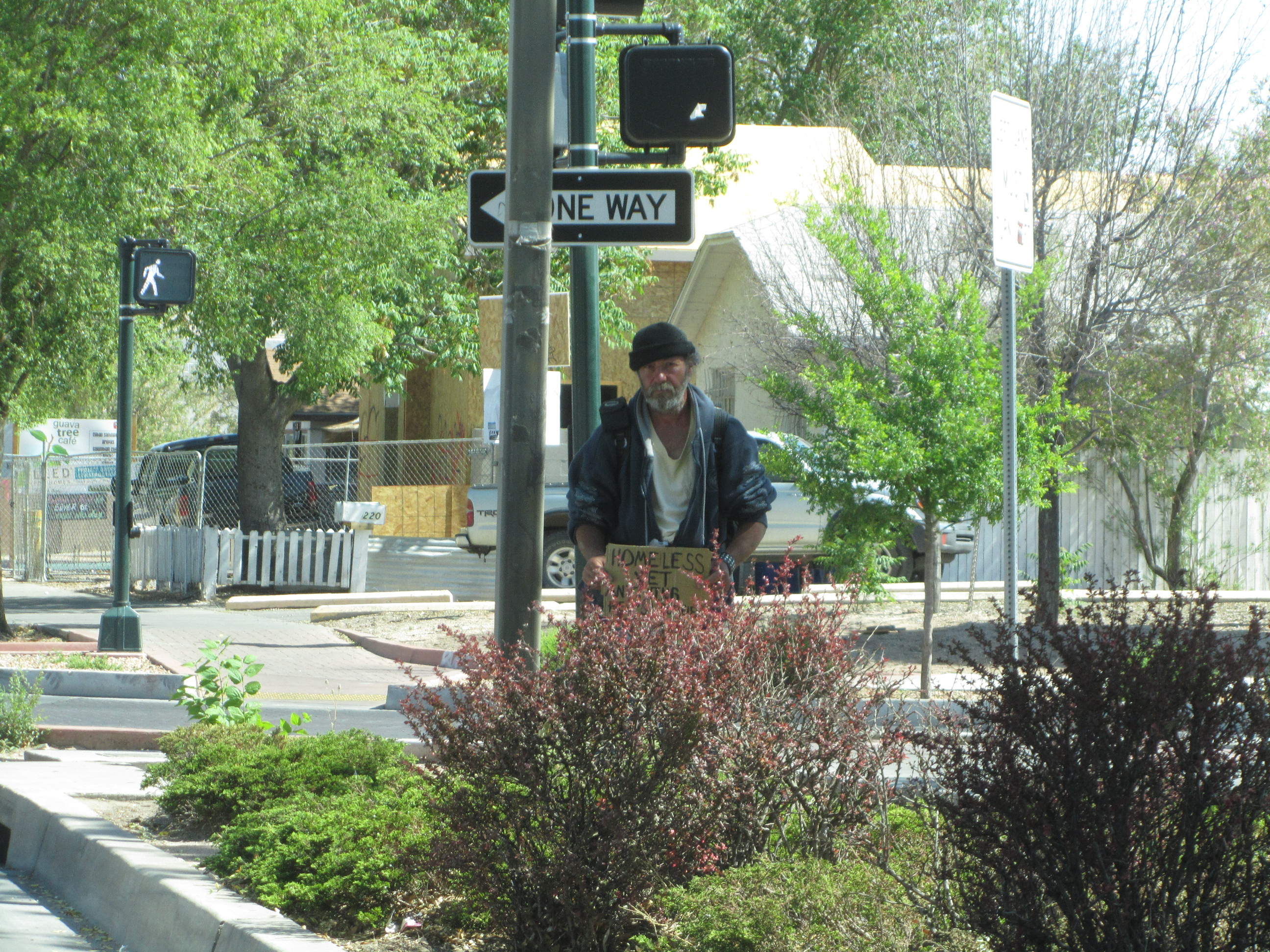
I have to piece together my life after losing my brain function. And back when I had untreated brain injuries, I was checked out and in my own little world. I am assuming I took a picture of this veteran without realizing it initially because I simply point and shoot. And when I realized it, I most likely approached him to apologize and it turned into a beautiful moment.
Community Center’s Surrounding Neighborhood


Santa Fe, New Mexico: A History Lesson Through Its Most Iconic Landmarks (June 4, 2013)


Loretto Chapel: The Mystery of Santa Fe’s Miraculous Staircase in New Mexico (June 4, 2013)
Media Photoshoot for Glamour Magazine Article:
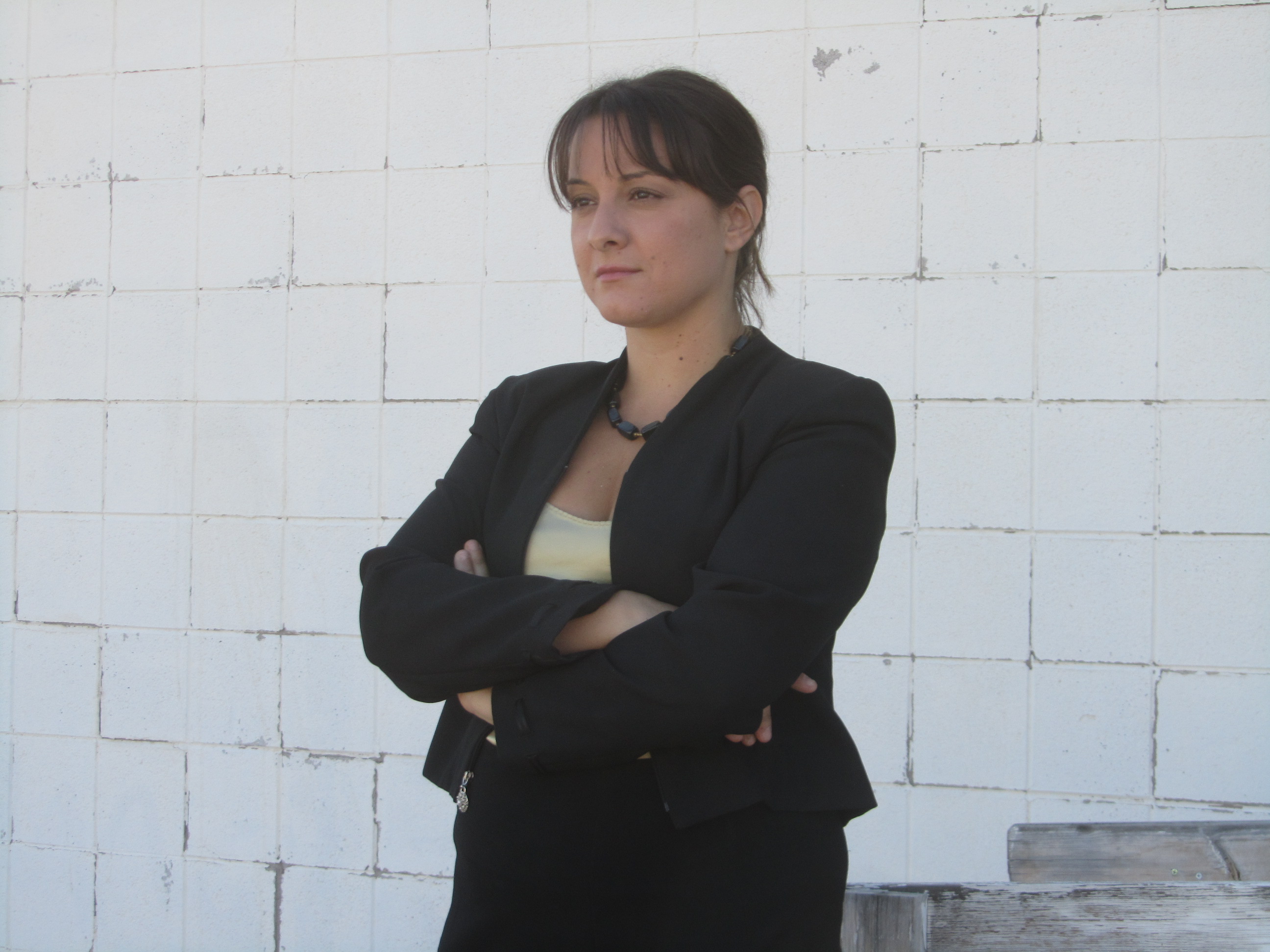
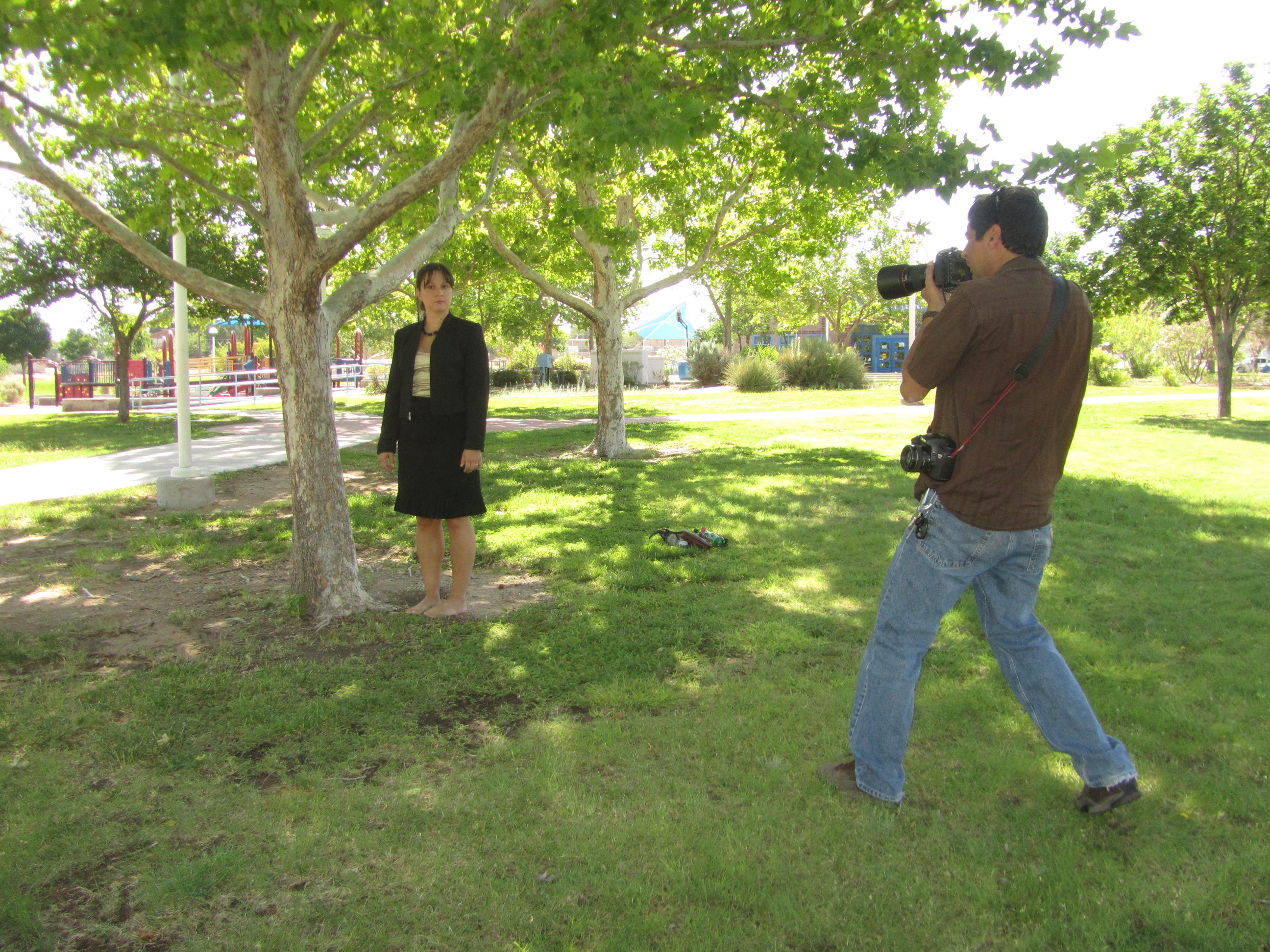
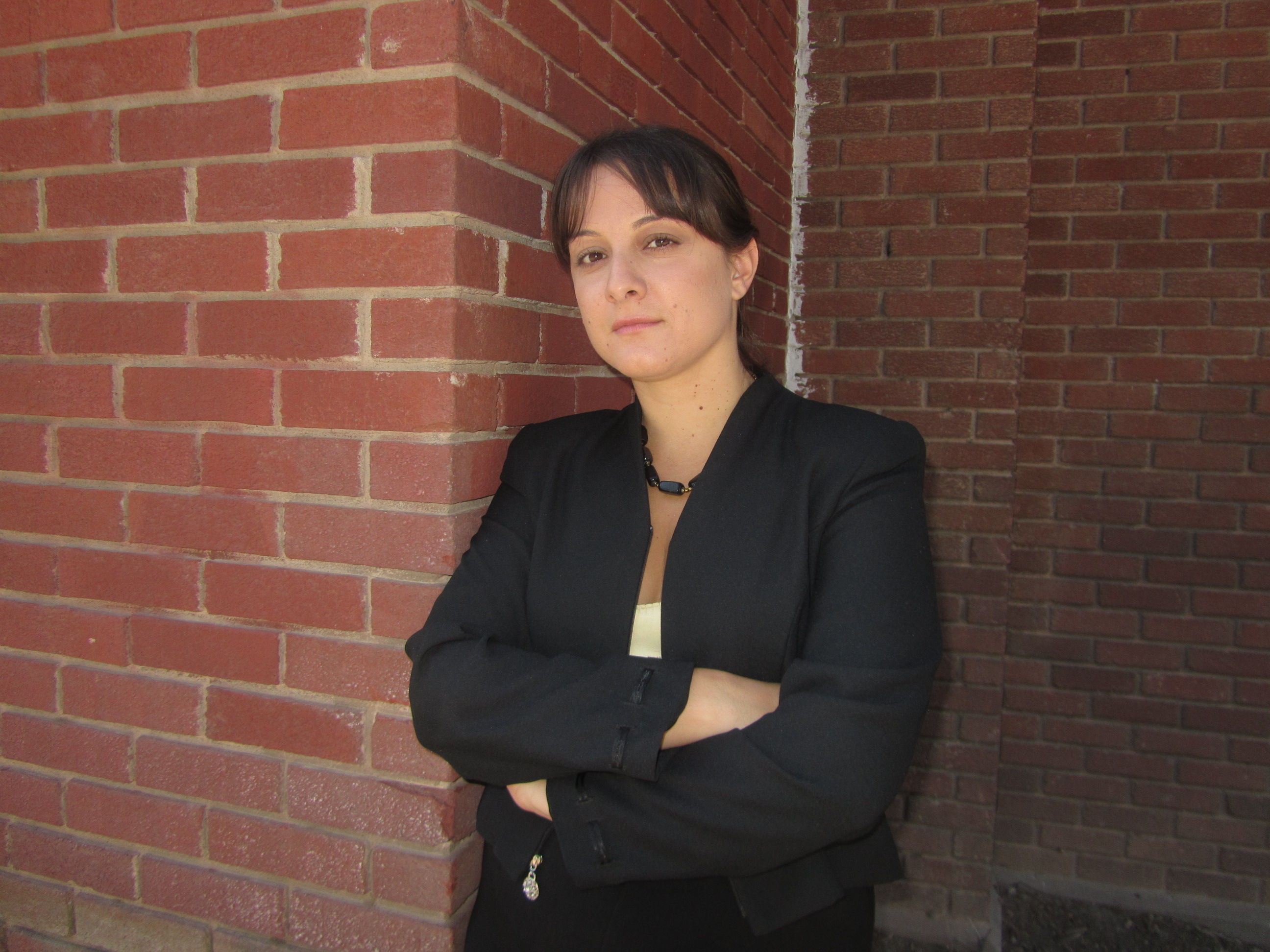
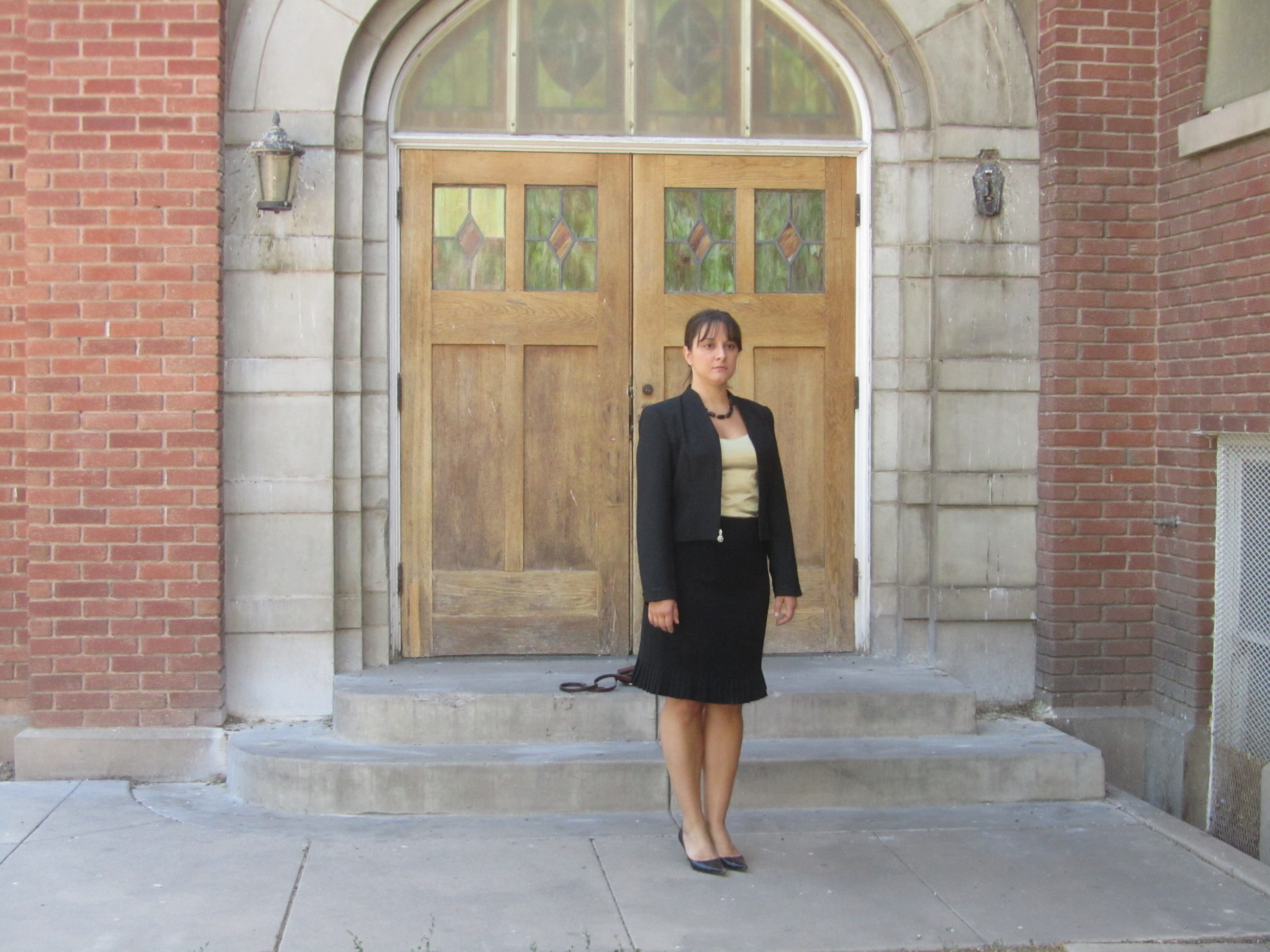
In November 2013, Glamour published an interview with Coast Guard veteran and Military Rape Crisis Center founder Panayiota Bertzikis about Senator Kirsten Gillibrand’s Military Justice Improvement Act. Bertzikis explained how allowing commanders to control prosecution decisions created conflicts of interest, discouraged survivors from reporting and exposed them to devastating retaliation. She argued that serious criminal cases should be handled by trained, independent military prosecutors—not supervisors connected to the accused. I was with Panayiota as she had photographs taken for the interview, giving me a personal connection to this important moment in the national campaign to reform military justice.
Summary of the Glamour article
Published on November 21, 2013, Liz Brody’s Glamour article interviewed Coast Guard veteran and Military Rape Crisis Center founder Panayiota Bertzikis about Senator Kirsten Gillibrand’s proposed Military Justice Improvement Act.
The article’s most important points were:
- Glamour reported that approximately 46,500 female service members said they had experienced unwanted sexual contact.
- Under the system then in place, commanders held significant authority over whether sexual-assault allegations proceeded to court-martial.
- Bertzikis argued that this created an inherent conflict of interest because commanders could be colleagues, friends, or professional associates of the accused.
- The Military Justice Improvement Act proposed transferring decisions about prosecuting serious crimes to trained military lawyers outside the accused’s immediate chain of command.
- Bertzikis compared the existing system to allowing a corporation’s CEO to decide whether an employee accused of raping a coworker should be prosecuted.
- She described reporting a military sexual assault as frightening and potentially career-ending.
- According to the Defense Department survey cited in the interview, 62% of women who reported unwanted sexual contact said they experienced retaliation.
- Bertzikis said the way her command treated her discouraged other Coast Guard women from reporting assaults.
- She emphasized that survivors faced several simultaneous battles: coping with the assault, trying to be believed, responding to blame and protecting their careers.
- Military leaders opposing the legislation argued that removing prosecutorial authority from commanders would weaken their ability to enforce discipline.
- Bertzikis rejected that argument, pointing to decades of continuing abuse, including the 1991 Tailhook scandal and accounts from veterans who had served as early as World War II.
- The article cited an estimated 26,000 sexual assaults during fiscal year 2012, compared with approximately 19,000 the previous year. It stated that only about 300 of the estimated 26,000 cases proceeded to trial.
- Bertzikis urged the public to believe survivors, support structural reforms and reject a system that forced service members to choose between reporting sexual assault and preserving their careers.
- At the time of publication, Glamour reported that the bill had 53 publicly supportive senators but needed 60 votes to advance.
Sources and Related Reading
Santa Fe
- Santa Fe, New Mexico: A History Lesson Through Its Most Iconic Landmarks (June 4, 2013)
- Cathedral Basilica of St. Francis: History, Art and Architecture, Santa Fe, New Mexico (June 4, 2013)
- Loretto Chapel: The Mystery of Santa Fe’s Miraculous Staircase in New Mexico (June 4, 2013)
- Exploring Downtown Santa Fe, New Mexico: Historic Plaza, Adobe Architecture, Art, Culture, Faith, and Southwestern Charm (June 5, 2013)
Albuquerque Travel, Faith and Advocacy
- My First Full Day in Albuquerque, New Mexico: Excitement, Faith, and Warning Signs (March 6, 2013)
- Divinely Protected: The Lord’s Prayer I Prayed at San Felipe de Neri Parish in Albuquerque, New Mexico Before Everything Changed (March 6, 2013)
- From ‘The World’ Radio Interview to Gang Bullying Three Months Later: What Happened After My Trips to Albuquerque, New Mexico (March 7, 2013)
- Playing Dumb Until I Reached the Airport: My Last Day in Albuquerque, New Mexico (March 8, 2013)
- The Trip That Changed Everything: Jennifer and Onyx Fly to Albuquerque, New Mexico (June 3, 2013)
- Justice Denied at AFMX 2013: Military Sexual Assault Advocacy, Faith, and Survival in Albuquerque, New Mexico (June 3, 2013)
- Trapped in an Abusive Chain of Command: What I Told ‘The World’ About Sexual Assault in the Military (August 15, 2013)
- From Excitement to Survival Mode: The Albuquerque Trip That Changed How I Trusted, Traveled, and Protected Myself (August 28, 2026)


2 thoughts on “A Veteran Advocate’s Day in Albuquerque, New Mexico: Behind the Scenes with Glamour Magazine, Veteran Homelessness, & Military Justice Reform (June 5, 2013)”