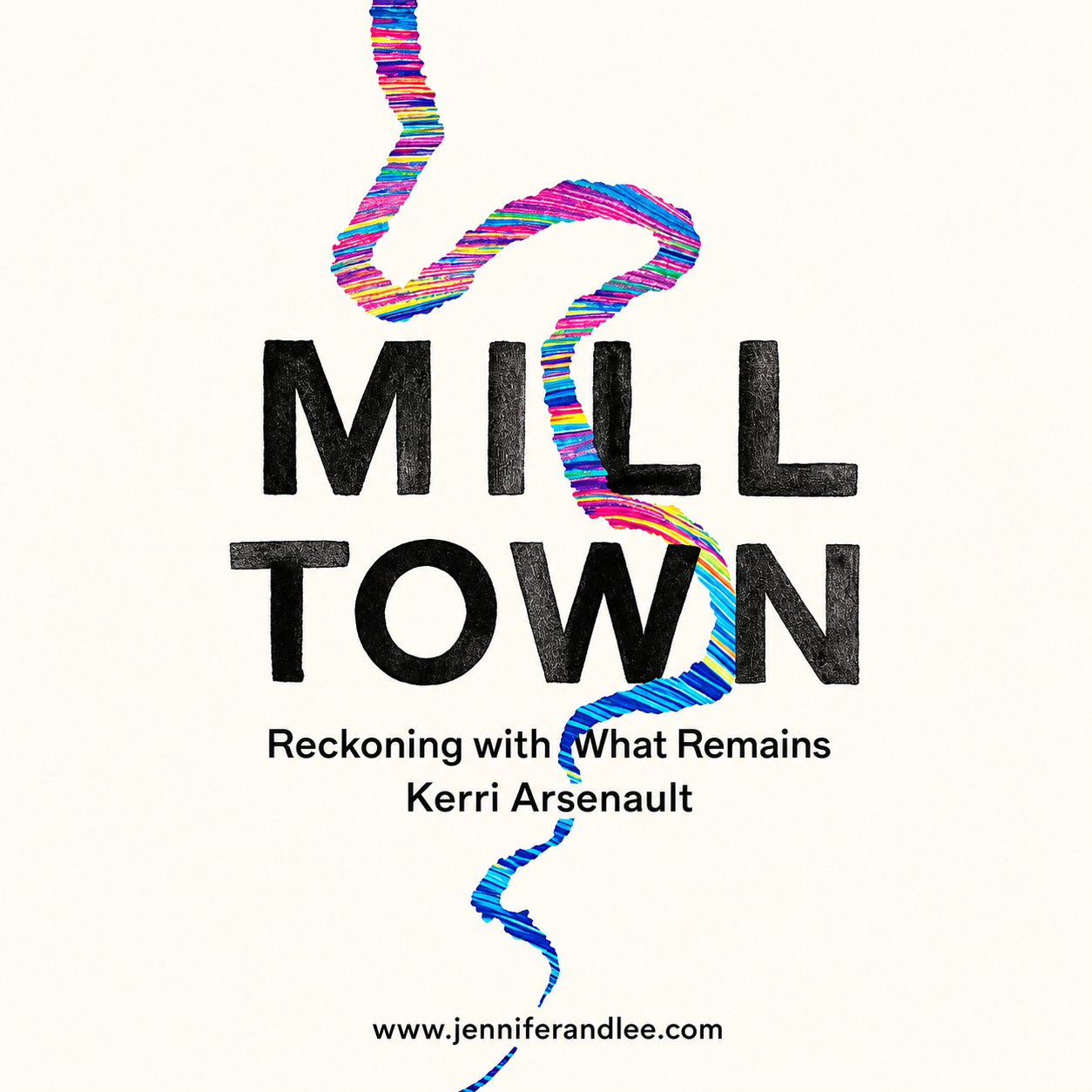
Mill Town: Reckoning with What Remains by Kerri Arsenault
You can love your hometown and still want to know what is in its air and water.
That is why Kerri Arsenault’s Mill Town: Reckoning with What Remains belongs on Maine’s reading list. Arsenault grew up in Mexico, Maine, across the river from the Rumford paper mill. Three generations of her family worked there. Her book brings family history together with an investigation of pollution, illness, and a community’s dependence on the industry that supported it.
The question at the heart of the story is difficult: How do you ask whether an industry is harming your community when that same industry pays the bills? Workers and their families deserve a healthy place to live and a dependable livelihood. Asking for one should never mean giving up the other.
This matters to you because environmental health becomes personal at the kitchen faucet, on the job, and when a doctor asks about your history. You do not need to work at a paper mill to want clear information about possible exposures.
For me, the lesson is to stay informed and use that information to take care of yourself. A concern does not establish the cause of an illness, but it deserves to be heard and assessed.
Nine Dragons Paper Mill – Snow Dump (Rumford, Maine)
Here are a few places to start:
Know your water. If you have a private well, follow Maine CDC’s testing guidance and ask whether the contaminants you are concerned about are included. If you use a community water system, read its annual water quality report.
Check before you eat your catch. Maine’s fish guidelines vary by waterbody, species, and who is eating the fish. Read the current advice for your location and household.
Tell your clinician the whole story. Write down past jobs, workplace tasks, where you have lived, possible exposures, and when symptoms began. Ask whether an occupational or environmental health evaluation is appropriate.
Ask for the records. Request the actual test reports. What was sampled, when, where, and for which chemicals? Ask for a plain explanation of the results and their limits.
Residents also need help doing this. Testing costs money. Medical appointments take time. Technical reports can be difficult to understand. Maine’s agencies and businesses should make information accessible, explain what remains unknown, and help communities reduce preventable exposures. Neighbors can support one another by sharing reliable resources and keeping track of unanswered questions.
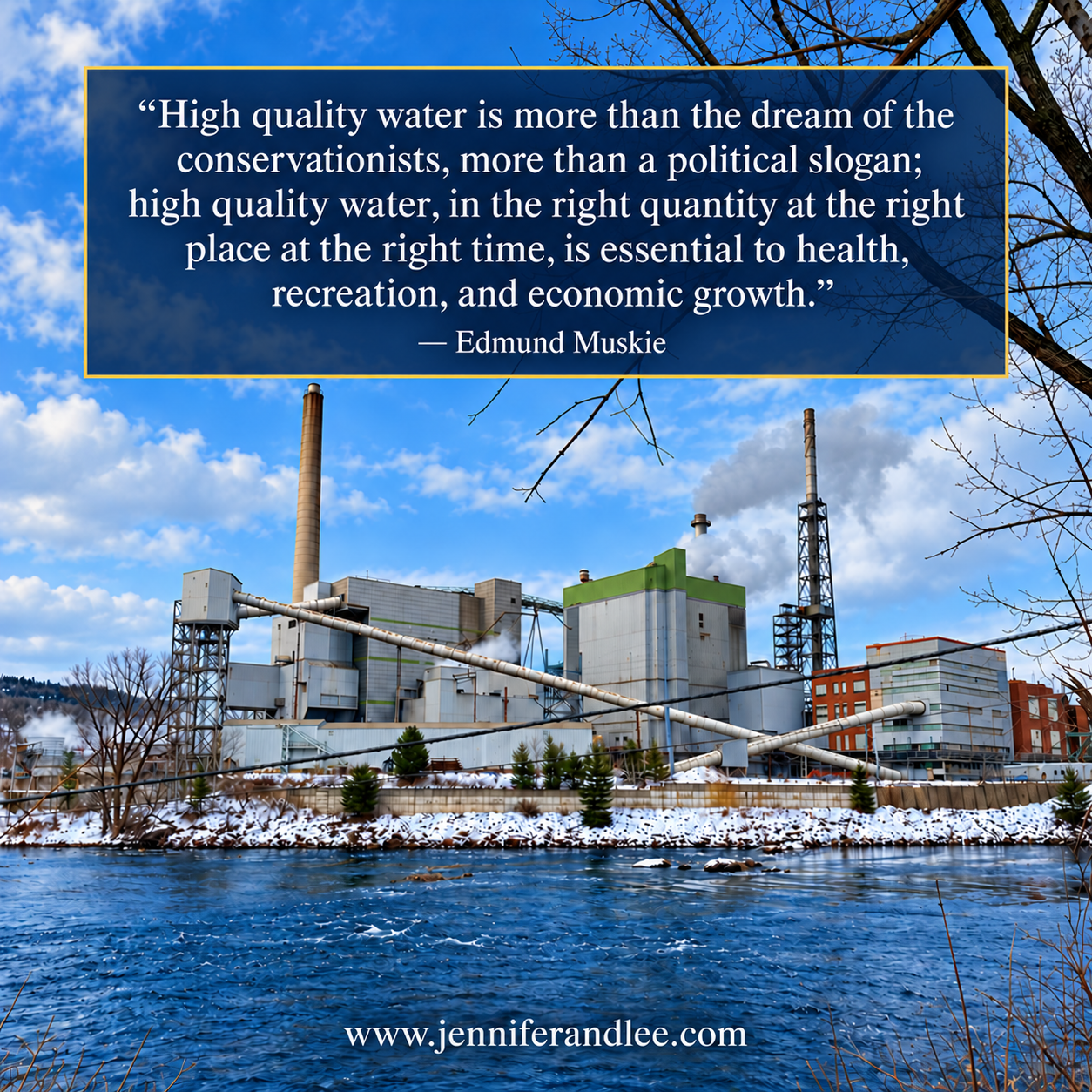
I took this photo on January 28, 2020, to document a winter contrast on the Androscoggin River in Rumford, Maine. Below the mill’s discharge area, the river was open and flowing. Upstream of Rumford Falls, it typically freezes in winter. That contrast deserves attention—and clear answers about what enters our river and how it affects the water we all depend on.
Mill Town is a must-read for Maine because it asks us to look at the people behind the industrial history. Read it with your own family and community in mind. Stay informed, seek appropriate care, and keep asking for answers that help you make decisions about your health.
Reading Mill Town was personal for me. I knew some of the people in its pages and could picture the places Kerri Arsenault described. That familiarity gave the story a weight that went beyond reading about someone else’s hometown.
When I was working to help Rumford reach its potential, I photographed every area of town, taking inventory of its housing, businesses, and properties for sale. I saw possibilities and wanted to help build on them. Behind every building was a neighborhood, a livelihood, and someone’s reason for calling Rumford home.
That is why this book matters to me. Loving a community means caring about the people who live there—and being willing to ask difficult questions about their health and future. Every citizen of Maine should read Mill Town. Read it with your own family and hometown in mind. We should expect Maine’s future to include both economic opportunity and a healthy place to live. The people who keep our towns alive deserve the chance to live well in them.
Sources and practical help: Book and excerpt | Well testing | Water quality reports | Fish guidelines | Exposure histories
Related Articles
- Edmund Muskie Was Right: Clean Air, Clean Water, and Our Right to Demand Answers (August 20, 2026)
- August 10: Honoring the Victims of Agent Orange and Confronting Institutional Failure (August 10, 2026)
- From Weapons to Wounds: The Toxic Legacy of World War II’s Strategic Metals Behind Every Bullet, Tank, and Bomber (June 28, 2026)
- Love Canal: The Environmental Disaster That Changed America and Became the Birthplace of the EPA Superfund Program (Niagara Falls, New York)


