Copyright © Jennifer Norris. All rights reserved.
March 5–8, 2013
On March 5, 2013, I boarded a plane for Albuquerque believing I was entering an exciting new chapter of my military sexual assault advocacy. By March 8, my priority was no longer the documentary, the media opportunity, or seeing more of New Mexico. My priority was getting safely to the airport and going home to Lee.
That transformation did not happen all at once. It unfolded over several days: an invitation that initially felt generous, a beautiful first day filled with faith and excitement, private behavior that made me uneasy, a national radio interview about coercive control, a dark telephone conversation I was never supposed to hear, and a final morning spent quietly documenting my route while pretending everything was fine.
Looking at the entire timeline now, it appears that the telephone conversation occurred on the night of March 7, after my interview at KUNM. That was the turning point. It was the moment the trip changed from an advocacy opportunity into a situation my nervous system experienced as dangerous. The dramatic change in the photographs I took the following day supports that chronology.
I cannot prove who was being discussed during that call. I cannot claim certainty about what another person intended. What I can say is that I heard talk that sounded like a plan to “take someone down,” I had already observed behavior that disturbed me, and I became afraid that I might be the intended target.
I did not need courtroom-level proof to make safer decisions. I needed to pay attention.
March 5: I Arrived Trusting and Completely Dependent
My airline ticket was purchased on March 3, only two days before I left Maine. I had never been to New Mexico, I did not rent a car, and I was staying in the home of Michael Matthews, a person I barely knew outside military sexual trauma advocacy.
At the time, the arrangement felt professional. I believed I had been invited because my work mattered and because we shared a commitment to military survivors. I was excited to support Justice Denied, a documentary about male survivors of sexual trauma in the military. I thought I was among people working toward the same goal.
What I did not fully appreciate was how much control I had surrendered.
Someone else had paid for my flight. Someone else controlled my transportation. Someone else controlled the place where I slept. I was thousands of miles from home, without my own vehicle or a private place to retreat. If I became uncomfortable, I could not simply take my keys, leave, and go somewhere safe.
Professional generosity had created dependence, and dependence had created access.
I did not yet understand how important that distinction would become.
My First Full Day in Albuquerque, New Mexico: Excitement, Faith, and Warning Signs (March 6, 2013)
March 6: Excitement, Faith, and the First Warning Signs
March 6 was my first full day in Albuquerque, and the photographs and video from that day show how genuinely happy I was. New Mexico was unlike anywhere I had ever visited. I was fascinated by the mountains, desert colors, Southwestern architecture, history, culture, and brilliant blue sky.
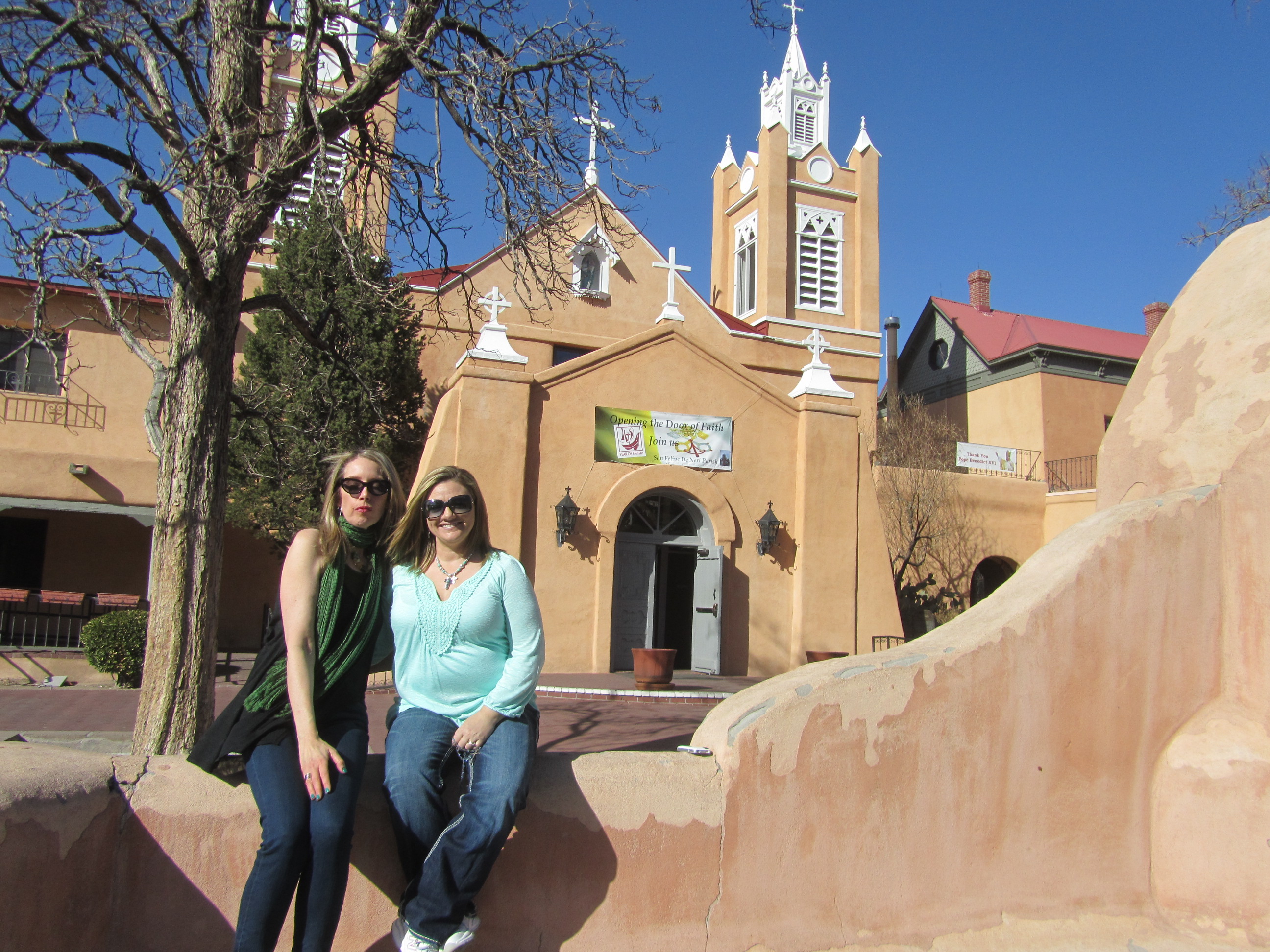
We explored Albuquerque, visited the historic KiMo Theatre, and went to San Felipe de Neri Parish in Old Town. Inside that beautiful church, I prayed the Lord’s Prayer.
At the time, it was a meaningful moment during an exciting trip. Years later, the words would feel prophetic:
Lead us not into temptation, but deliver us from evil.
I had no idea how much I would soon need protection—or how differently I would feel by the end of the trip.
Staying inside someone’s home reveals things that public appearances do not. You see how that person treats the people closest to them. You see what happens when professional envy enters the room. You see how alcohol changes the atmosphere to something dark. You see whether the private person resembles the public advocate.
I did not like anything I observed.
The way Matthews treated his family made me uncomfortable. His behavior when he drank felt dark and unsettling to me. The more I saw, the more nervous I became. My excitement did not vanish immediately, but it was being replaced by caution.
I was beginning to understand that sharing a cause with someone did not mean I shared that person’s character.
March 7: The Interview and the Phone Call That Changed the Trip
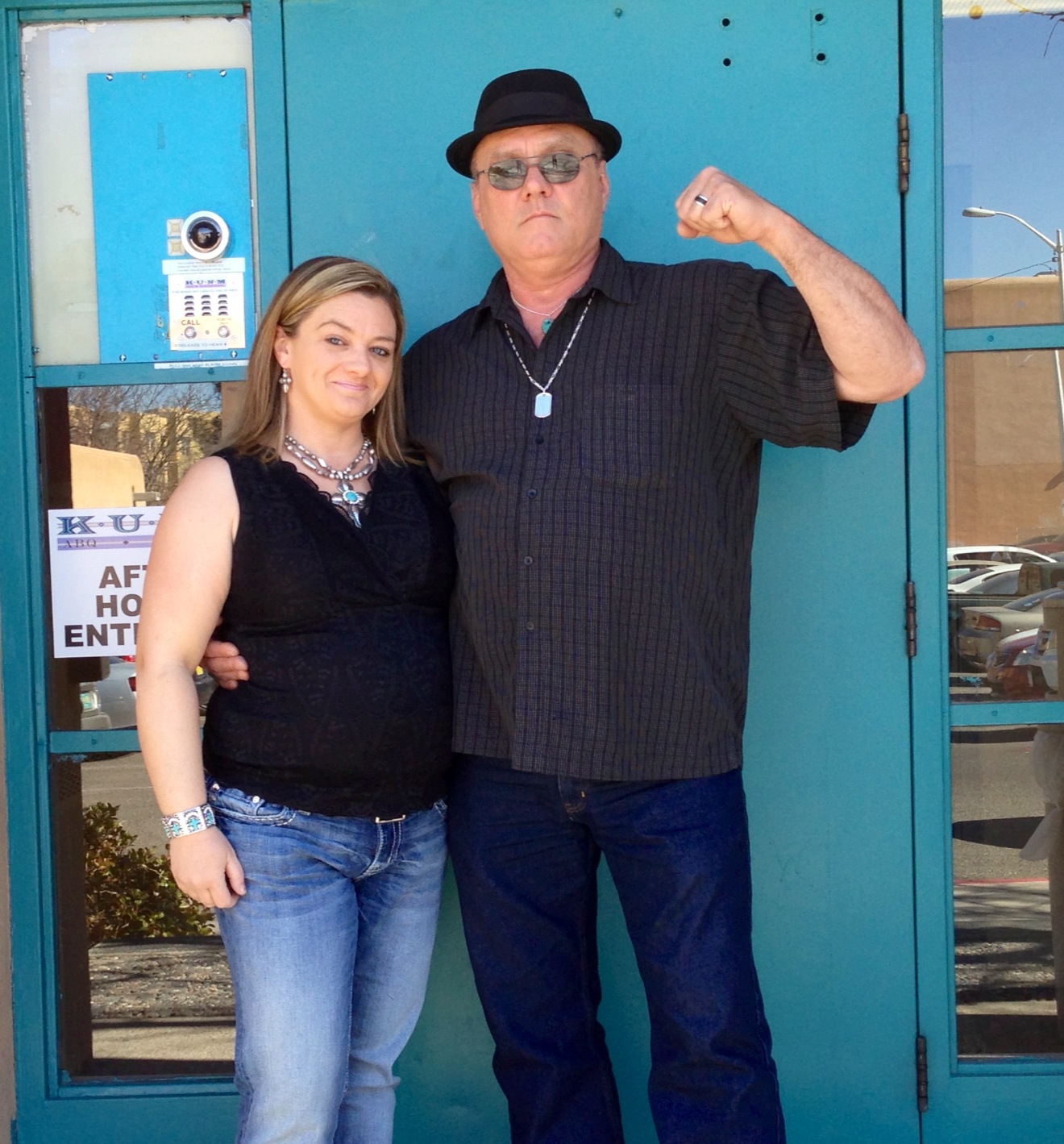
On March 7, I went to KUNM for a national media interview coordinated with help from Nancy Parrish of Protect Our Defenders and Matthews, one of the Justice Denied producers. I spoke with Marco Werman of The World about sexual assault, retaliation, and institutional betrayal in the United States Air Force.
I explained what it felt like to be trapped under an abusive chain of command:
It was like being in a domestic violence relationship that you can’t get a divorce from.
Earlier that day, I was still focused on the purpose of the trip. I completed the interview, spoke honestly about what military survivors faced, and continued believing that my voice might help change an abusive system.
Later that night, everything changed.
I was lying in bed trying to sleep when I overheard Matthews speaking loudly on the telephone after he had been drinking. I was not trying to listen to a private call, but I heard enough to become frightened. From what I could hear, it sounded as though he and someone connected to military sexual trauma advocacy were discussing taking another person down.
I could not determine with certainty who they were talking about. I could not prove the conversation concerned me. But even if someone else was the intended target, I did not want to be around people who talked about destroying another human being that way.
My instincts were screaming that something was wrong.
The cruel irony is difficult to miss now. That morning, I had spoken publicly about coercive control, dependence, and the absence of a safe exit. That night, I realized I had placed myself in a situation where another person controlled my transportation and immediate access to safety.
That call split the trip into a before and an after.
Before the call, I was still an excited advocate visiting New Mexico for the first time, even though I had begun noticing warning signs. After the call, I was a woman far from home, staying under the roof of someone I no longer trusted and depending on him to get me to the airport.
That was when I entered survival mode.
I did not confront him. I did not announce what I had heard. I did not reveal how frightened I had become. Confronting someone while isolated, dependent, and without an immediate exit would not have made me safer.
Instead, I used a survival skill I had learned during childhood: I played dumb.
I acted as though I had noticed nothing. I watched, listened, stayed calm, and waited until I could leave safely the next day. It was strategy.
The interview would not be published until August 15, 2013. By then, the relationships surrounding this advocacy work had deteriorated, and people connected to the movement were attacking the independence and visibility they had once depended on to help launch themselves in Washington D.C.
Playing Dumb Until I Reached the Airport: My Last Day in Albuquerque, New Mexico (March 8, 2013)
March 8: Playing Dumb Until I Reached the Airport
By my final morning in Albuquerque, something inside me had changed.
The photographs I took that day do not resemble ordinary vacation pictures. There are no happy selfies or carefully composed views of a city I was visiting for the first time. Instead, the images form a rough timeline of my location.
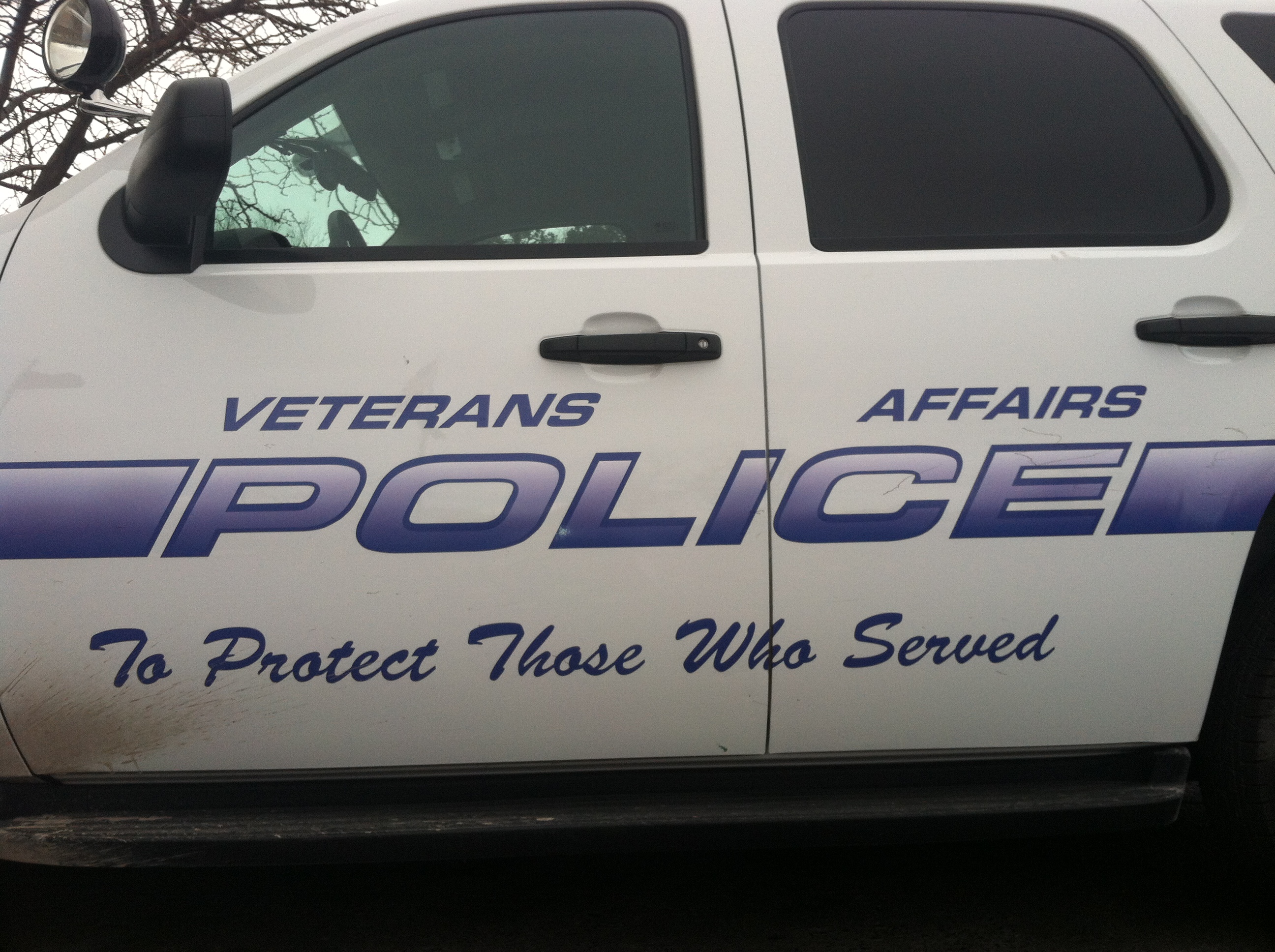
I photographed a sticker that said “STABBED IN BACK.” I took tilted, blurry pictures in Nob Hill and at the Flying Star Cafe. I photographed the entrance to the Raymond G. Murphy VA Medical Center, where we stopped for Matthews’s personal health care business. Finally, I took some photographs inside the Albuquerque International Sunport.
Viewed together, those photographs seem to say:
This is where I was. This is where we stopped. This is where he took me. This is proof that I made it back to the airport.
I do not believe my conscious mind had fully processed what I was doing because of dissociation and brain injuries. My body understood before I could explain it. My instincts were leaving a trail.
Throughout that day, I continued playing dumb. I did not confront Matthews about the call. I did not reveal that I no longer trusted him. I let him believe everything was normal while I quietly waited for him to take me to the airport.
Some people misunderstand this kind of response. They think survival must look confrontational or dramatic. It often does not. Sometimes survival looks like smiling. Sometimes it looks like remaining agreeable long enough to reach a public place. Sometimes it means allowing a potentially dangerous person to underestimate how much you understand them.
When I finally stepped inside the Sunport, I was no longer trapped in someone else’s vehicle or dependent on that person to get me where I needed to go. I was in public. I could board my flight. I could return home to Lee.
The airport photograph was not just another snapshot.
It was proof that I had made it out and was DONE with Michael Matthews and Justice Denied.
The Trip That Changed Everything: Jennifer and Onyx Fly to Albuquerque, New Mexico (June 3, 2013)
I Returned to New Mexico—but I Did Not Return the Same Way
I refused to let one disturbing experience steal New Mexico from me. I still wanted to return in June to support male survivors in the Justice Denied premiere, but I made myself a promise: I would never again travel across the country and place myself entirely under the control of people I barely knew.
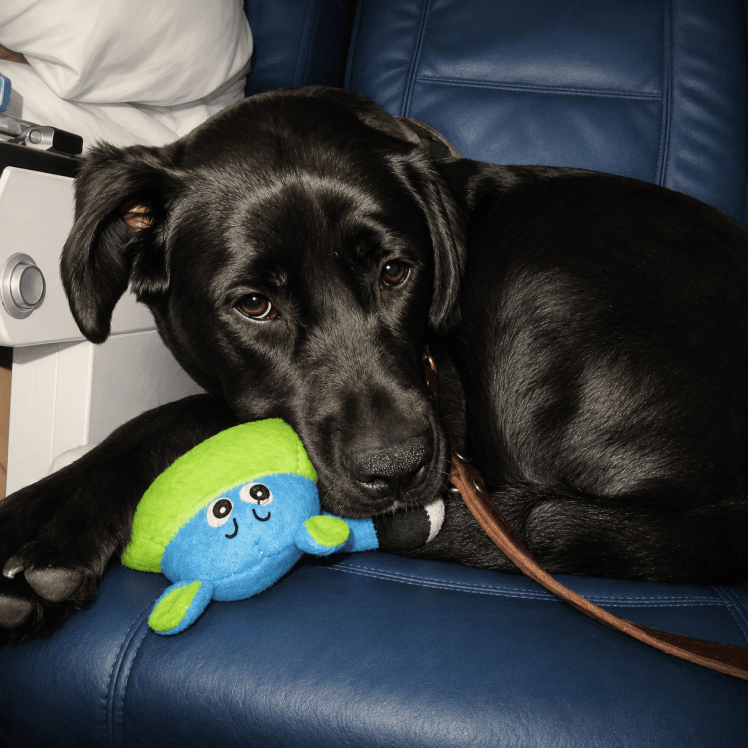
When I returned, I had my own hotel room. I had my own rental car. My service dog, Onyx, traveled with me. I controlled my lodging, transportation, schedule, and exits.
That was not paranoia. It was adaptation.
I had learned that a free ticket can carry an enormous hidden cost when it leaves you unable to leave. I had learned that hospitality can provide someone with access they have not earned. I had learned that shared advocacy does not guarantee shared values. Most importantly, I had learned that I needed an independent way out of every situation.
During the June trip, Matthews asked me—without reasonable notice—to pick up Jeremiah Arbogast, a man I did not know, at the airport while I was working with someone and doing a media interview at my hotel. I said no.
That should have been an ordinary boundary. I was not Matthews’s employee, chauffeur, caretaker, or personal assistant. I had rented a vehicle for my own independence, not to become transportation for people who made demands of me.
The response was wildly disproportionate to the boundary. After I returned home, I learned that Arbogast had called me a “bitch and a snob” on Twitter. Later communications attributed to him called me two-faced and accused me of directing other people against him. I blocked him because I did not want further contact with this unhinged creature.
That should have ended it.
Instead, the hostility escalated. I was later called a narcissist, a bully, a media whore, and other degrading names. People discussed organizing accusations, contacting organizations and political figures, and seeking negative media attention.
The hostility intensified after I became independent, limited access, declined demands, remained in public settings, and removed people from my life.
They appeared to like the version of me who was trusting, accommodating, accessible, and dependent. They did not like the version of me who had her own room, her own car, her service dog, her boundaries, and an exit.
Loretto Chapel: The Mystery of Santa Fe’s Miraculous Staircase in New Mexico (June 4, 2013)
Why My Boundaries Became a Problem for Them
Healthy people may feel disappointed when someone says no, but they respect the answer. They do not launch a character attack because another adult will not provide transportation, private access, emotional labor, or obedience.
The anger directed at my boundaries taught me something important: sometimes people are not upset because a boundary is unfair. They are upset because the boundary removes an advantage they expected to have.
My new travel arrangements changed the power balance. No one controlled where I slept. No one controlled whether I could leave. No one could isolate me merely by withholding a ride. No one had automatic access to my time, vehicle, or private space.
I had closed the openings that made me vulnerable during the first trip.
They did not have to agree with my decisions. They did have to respect them. When they did not, I learned even more about why those boundaries were necessary.
What I Know—and What I Will Not Claim to Know
There is a difference between evidence, personal observation, and a conclusion formed from patterns. Telling this story responsibly means preserving that difference.
I know my ticket was purchased at the last minute. I know I traveled without independent lodging or transportation. I know I observed behavior inside Matthews’s home that made me uneasy. I know I overheard him discussing what sounded like taking someone down. I know that conversation frightened me. I know my behavior and photographs changed. I know I altered the way I traveled when I returned. I know my reasonable boundaries were followed by insults, accusations, and group hostility.
I do not know with certainty who was being discussed on the March telephone call. I cannot prove that a private encounter was being planned to create a false allegation against me. But they sure did get angry when I did not give them an opportunity to potentially set me up. My belief about the danger developed from the entire pattern—what I observed, what I overheard, how people responded to my boundaries, and what happened afterward.
But personal safety does not require certainty about another person’s plan.
If something feels wrong, I am allowed to leave. If someone’s behavior frightens me, I am allowed to limit access. If a person becomes hostile when I establish a boundary, I am allowed to end the relationship. I do not owe anyone private access while I wait for enough evidence to persuade outsiders that my fear is justified.
How the Trip Changed the Way I Move
After Albuquerque, I stopped confusing generosity with safety. I stopped assuming that a public advocate must be trustworthy in private. I became much more careful about who could control my transportation, enter my personal space, or place me in an unverifiable situation.
I learned to arrange my own lodging whenever possible. I learned to maintain independent transportation. I learned to meet people in public, document concerning events, listen to my body, and make sure I always had an exit. I learned that saying less can be protective when revealing what I know could increase the immediate danger.
I also learned not to argue with people determined to misunderstand a boundary. A person who punishes me for protecting myself is giving me information. I can use that information without debating it.
Playing dumb got me safely to the airport. Paying attention changed how I traveled. Enforcing boundaries revealed who believed they were entitled to access—and who became hostile when that access disappeared.
The Prayer That Framed the Entire Journey
When I look back at this trip, I keep returning to the woman standing inside San Felipe de Neri Parish on March 6. She looked happy, innocent, and trusting. She did not yet know that the following night, after completing an important national interview, she would hear a conversation that changed the meaning of the entire trip.
But she prayed anyway:
Deliver us from evil.
I do not believe divine protection means nothing painful will happen. Painful things did happen. My reputation, advocacy work, relationships, and mental health were harmed in the months and years that followed.
For me, protection also means recognizing what did not happen. I listened to my instincts. I did not confront someone while I was isolated and dependent. I reached the airport. I returned home. When I traveled again, I denied Michael Matthews private access to me and he didn’t like it.
Perhaps the answer to my prayer was not a dramatic rescue. Perhaps it was the discomfort that would not leave me alone. Perhaps it was the wisdom to stay quiet. Perhaps it was the instinct to document my route, the discipline to remain calm, and the determination to change how I moved in the future.
I arrived in Albuquerque excited, trusting, and dependent.
I left alert, grateful, and determined never to surrender that much control again.
When I returned, I had my own room. I had my own car. I had Onyx. I had boundaries. And I had an exit.
That change may have angered people who expected the earlier version of me—the woman who was easier to access, direct, and control.
But their anger did not make my boundaries wrong.
It proved why I needed them.
Sources and Related Reading
- Divinely Protected: The Lord’s Prayer I Prayed at San Felipe de Neri Parish in Albuquerque, New Mexico Before Everything Changed (March 6, 2013)
- My First Full Day in Albuquerque, New Mexico: Excitement, Faith, and Warning Signs (March 6, 2013)
- From The World Radio Interview to Gang Bullying Three Months Later: What Happened After My Trips to Albuquerque, New Mexico (March 7, 2013)
- Playing Dumb Until I Reached the Airport: My Last Day in Albuquerque, New Mexico (March 8, 2013)
- Invisible War Actors & Ass Kissers Devise Plan to Accuse Advocates of “Bullying”; Protect Our Defenders Takes Credit for All Crime Bill They Didn’t Want, Then Stole and Perverted (2013)
- “Sexual Assault Advocates” Use Defamatory Newspaper Article & the Small Town Cop’s Lame AF Narrative to Bounce Medically Retired Service Members Out of MST Advocacy (2024)


11 thoughts on “From Excitement to Survival Mode: The Albuquerque Trip That Changed How I Trusted, Traveled, and Protected Myself (August 28, 2026)”