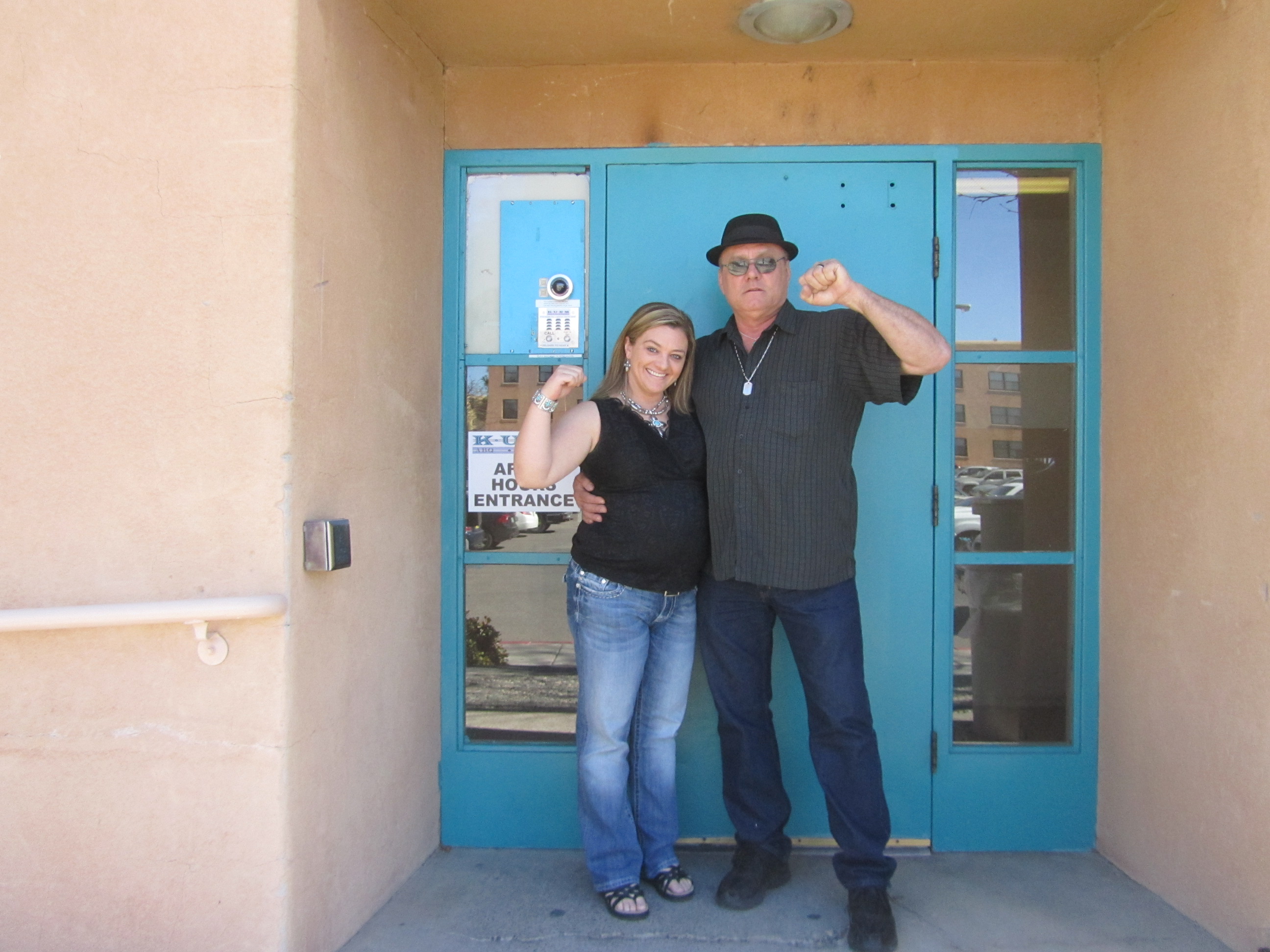
The media interview at KUNM: Trapped in an Abusive Chain of Command: What I Told ‘The World’ About Sexual Assault in the Military (August 15, 2013)
Copyright © Jennifer Norris. All rights reserved.
Protect Our Defenders and the Justice Denied producers helped arrange a national media interview about abuse inside the military. Months later, I was being attacked for having a voice—and punished for refusing to give certain people private access to me.
In March 2013, I flew to Albuquerque, New Mexico, believing I was stepping into an important new chapter of my military sexual assault advocacy.
I had been invited to participate in an interview for Justice Denied, a documentary focused on male survivors of sexual trauma in the military. My airline ticket was purchased on March 3—only two days before I departed from Portland, Maine on March 5. I had never been to New Mexico. I did not have my own transportation there, and I was dependent on people connected to the documentary for my lodging and access to the city.
At first, it felt exciting. I believed I was surrounded by people who shared my commitment to survivors, accountability, and military justice reform.
While I was in Albuquerque, Nancy Parrish with Protect Our Defenders and Michael Matthews, the Justice Denied documentary producer, helped coordinate a media interview for me at KUNM. I did not cold-call the station. I did not manufacture a media opportunity for myself. I showed up for an interview that people connected to this movement had helped arrange.
On March 7, I spoke with Marco Werman of The World about the sexual assaults, retaliation, and institutional betrayal I had experienced in the United States Air Force. The segment would not be published until August 15, 2013.
By then, everything had changed.
What I Told The World
The interview focused on why reporting sexual assault through the military chain of command could feel so dangerous.
I described military service under an abusive chain of command this way:
“It was like being in a domestic violence relationship that you can’t get a divorce from.”
That comparison was about coercive control and the absence of a safe exit. A service member cannot simply stop going to work, ignore an order, or quietly leave an unsafe unit. The military controls assignments, evaluations, promotions, discipline, reputation, security clearances, and continued employment. When the person accused of wrongdoing is close to the commander—or protected by rank, relationships, or institutional loyalty—the survivor may be forced to depend on the same structure that has already failed them.
I knew that feeling because I had lived it.
The original assault had caused profound trauma. The response from the institution added another layer of harm. Reporting did not make me feel protected. It made me fear that my career, credibility, and future could be taken from me… and it was.
The interview was intended to show why survivors needed independent oversight and why justice could not depend entirely on the personal relationships inside a chain of command.
What I did not understand in March 2013 was that I was about to encounter some of those same dynamics inside the advocacy community itself.
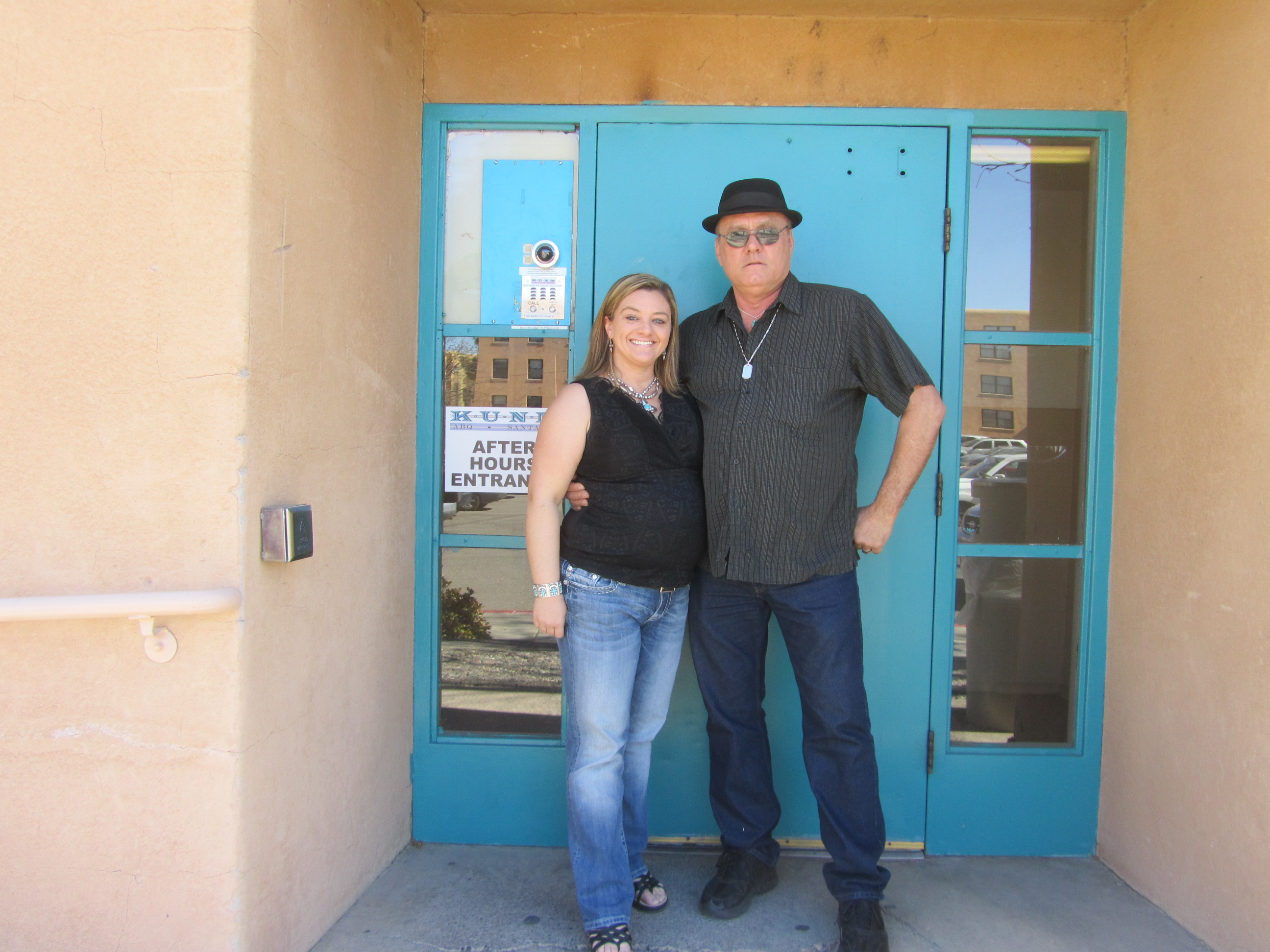
The Trip That Changed Everything: Jennifer and Onyx Fly to Albuquerque, New Mexico (June 3, 2013)
The Warning Signs During My First Trip
March 6th was my first full day in Albuquerque. I was fascinated by New Mexico’s mountains, desert colors, history, architecture, and brilliant sky. We explored the city, visited the historic KiMo Theatre, and stopped at San Felipe de Neri Parish in Old Town.
I also began noticing behavior that made me uncomfortable.
Staying in someone’s home reveals things that public advocacy events do not. You see how a person treats the people close to them. You see what happens when alcohol is involved. You see how someone behaves when frustrated or when the public performance is over.
I did not like some of what I observed. I began feeling nervous, and the reality of my dependence became impossible to ignore. I was thousands of miles from home. I had no vehicle of my own. I was staying under someone else’s roof and relying on people I barely knew.
Then, while lying in bed one night, I overheard a drunk and loud Michael Matthews having a dark telephone conversation with someone in MST Advocacy. I heard enough to believe he was discussing taking another person down. I could not prove the conversation was about me at the time, but what I can say is that the conversation frightened me.
Regardless of the intended target, I did not want to be close to people who spoke that way about destroying another human being. My instincts were telling me to pay attention.
The Prayer I Understand Differently Now
During that first trip, I stood inside San Felipe de Neri Parish and prayed the Lord’s Prayer.
At the time, it felt like a meaningful stop inside one of Albuquerque’s oldest surviving buildings. Years later, watching that video stopped me cold. I looked happy, trusting, and completely unaware of what I would later believe was developing around me.
Before I knew I might need protection, I prayed:
“Deliver us from evil.”
My faith cannot protect me from all harm because a great deal of harm followed. My reputation, relationships, advocacy work, and mental health were affected. But I also believe the damage could have been much worse.
Sometimes protection is not a dramatic rescue. Sometimes it is the private meeting that never happens. It is the door that never opens. It is the instinct that tells you to keep your distance, remain in public, or deny someone access to you.
Sometimes the boundary is the protection.
The Lord’s Prayer I Prayed at San Felipe de Neri Parish Before Everything Changed (March 6, 2013)
Returning to New Mexico for the Premiere
I returned to New Mexico in June 2013 for the Justice Denied premiere. This time, I traveled with my service dog, Onyx, and I was working and traveling throughout the trip.
Michael Matthews contacted me while I was working with someone at the hotel I was staying at and asked me to pick up Jeremiah Arbogast at the airport. I said no. What really pissed me off is that he expected me to pick a stranger up at the airport without reasonable notice. I did not agree to become his transportation, and I did not give him the access he appeared to expect. That was my right. I was not his employee, caretaker, chauffeur, or personal assistant.
Michael Matthews and Jeremiah Arbogast’s response was not a normal reaction to a boundary.
When I arrived home in Maine, I checked my social media and learned Jeremiah called me a “bitch and a snob” on Twitter. Later communications attributed to him described me as “2-faced,” accused me of putting him through “hell,” and claimed I was directing a “posse” or “foot soldiers” against him. I blocked him because I did not want to participate in this bizarre behavior.
That should have ended the interaction.
Instead, the rejection appeared to intensify it.
Based on what I experienced before, during, and after the premiere, I came to believe that Arbogast and Matthews wanted an opportunity to place me in a private, unverifiable situation that could later be described as a crime or serious misconduct. I feared the kind of he-said, she-said allegation that can permanently stain a person’s name even when no evidence supports it.
I did not give them that opportunity. I kept my distance. I limited access. I stayed where other people were present.
That belief about their intended plan is my conclusion. But my safety decisions did not require courtroom proof. A person is allowed to act on warning signs before something irreversible happens.
When Plan A Failed, I Believe the Smear Campaign Became Plan B
Because I did not provide the private access I believe they wanted, there was no dramatic criminal allegation that could be supported by proximity, a manufactured witness narrative, or an unverifiable encounter.
What followed instead was a campaign against my character.
I was called a bitch, a snob, two-faced, a narcissist, a media whore, and a bully. The labels were not supported by evidence of me organizing attacks against anyone. In Arbogast’s case, I had blocked him. That raises an obvious question:
How was I supposedly bullying someone I had removed from my life?
The later communications matter because they show how group retaliation can be manufactured. In a private Facebook discussion preserved from November 2013, participants discussed compiling accusations, sending mass messages at the same time, contacting Protect Our Defenders and a member of Congress, seeking negative publicity, and finding someone in the media. Arbogast participated in that conversation and repeated claims about me without supplying evidence for the alleged campaign he said I was directing.
The group did not need to prove wrongdoing if enough people repeated the same story. Repetition could be made to look like corroboration. Group agreement could be made to look like evidence. A target’s effort to defend herself could then be reframed as further “bullying.”
That is how gang bullying works. A narrative is selected first, people are recruited into it, and the target’s normal reactions are used to justify the original attack.
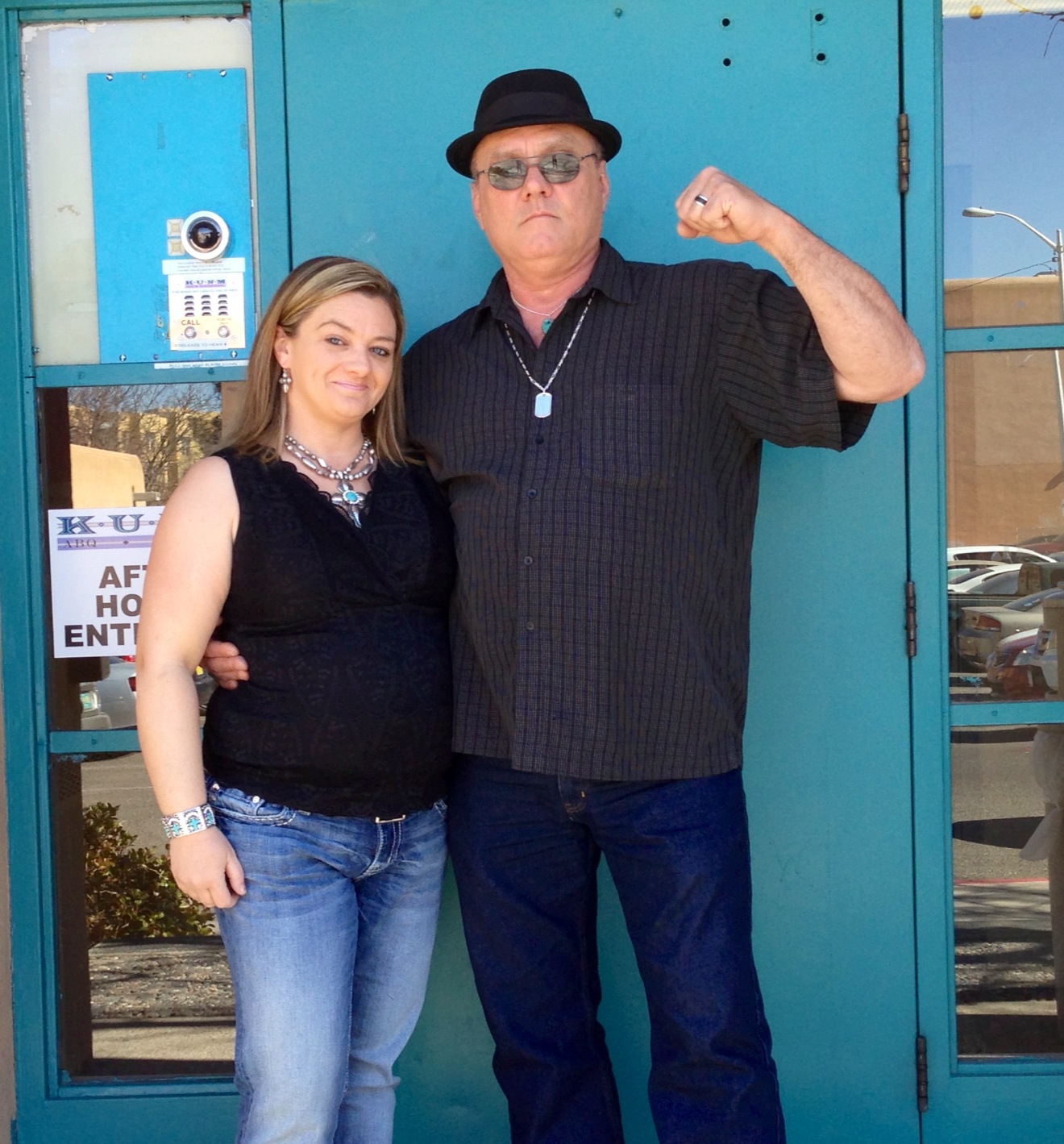
The Cruel Irony of the August Interview
On August 15, The World published the interview that had been arranged during my March trip.
The article gave national attention to what I had experienced inside the Air Force. It preserved my warning about an abusive chain of command and the danger of forcing survivors to seek justice from people embedded in the same relationships and institution they were challenging.
Yet by the time it appeared, I was being attacked for the very visibility others had helped create.
They had helped arrange the interview. Then my willingness to speak publicly was used to portray me as attention-seeking. Matthews was accusing me of being a “media whore,” according to my recollection, while Arbogast suggested that people who welcomed media attention had something wrong with them—even as members of that same advocacy circle were actively discussing how to use media contacts against the people they had labeled enemies.
That contradiction is central to this story.
Media access was acceptable when it benefited the documentary, an organization, or someone else’s public standing. My voice became a problem when I exercised independence, enforced boundaries, and refused to be controlled.
The current written version of The World article also described me as a member of a Protect Our Defenders advocacy committee. I was when I did the interview but not when it dropped. The interview was coordinated with help from people associated with the organization; that did not give the organization ownership of my story, my work, or my identity.
What I Told Protect Our Defenders
In June 2013, I told Protect Our Defenders founder Nancy Parrish about the online abuse. Her response, as I remember it, was: “Maybe you need to take a break.”
I did not need to be removed from my work. I needed the people using an advocacy platform to target me to be held accountable.
Instead, I experienced the response as institutional betrayal. The organization did not protect me from the advocates I reported. From my perspective, people connected to the attacks were later elevated within the movement and given greater political access, credibility, and visibility.
When an institution treats the target’s distress as the problem while ignoring the conduct causing that distress, it protects the aggressors and isolates the person asking for help. That pattern was painfully familiar. It resembled the military response I had just described to The World: insiders remained connected to the power structure while the person reporting harm was pushed away from it.
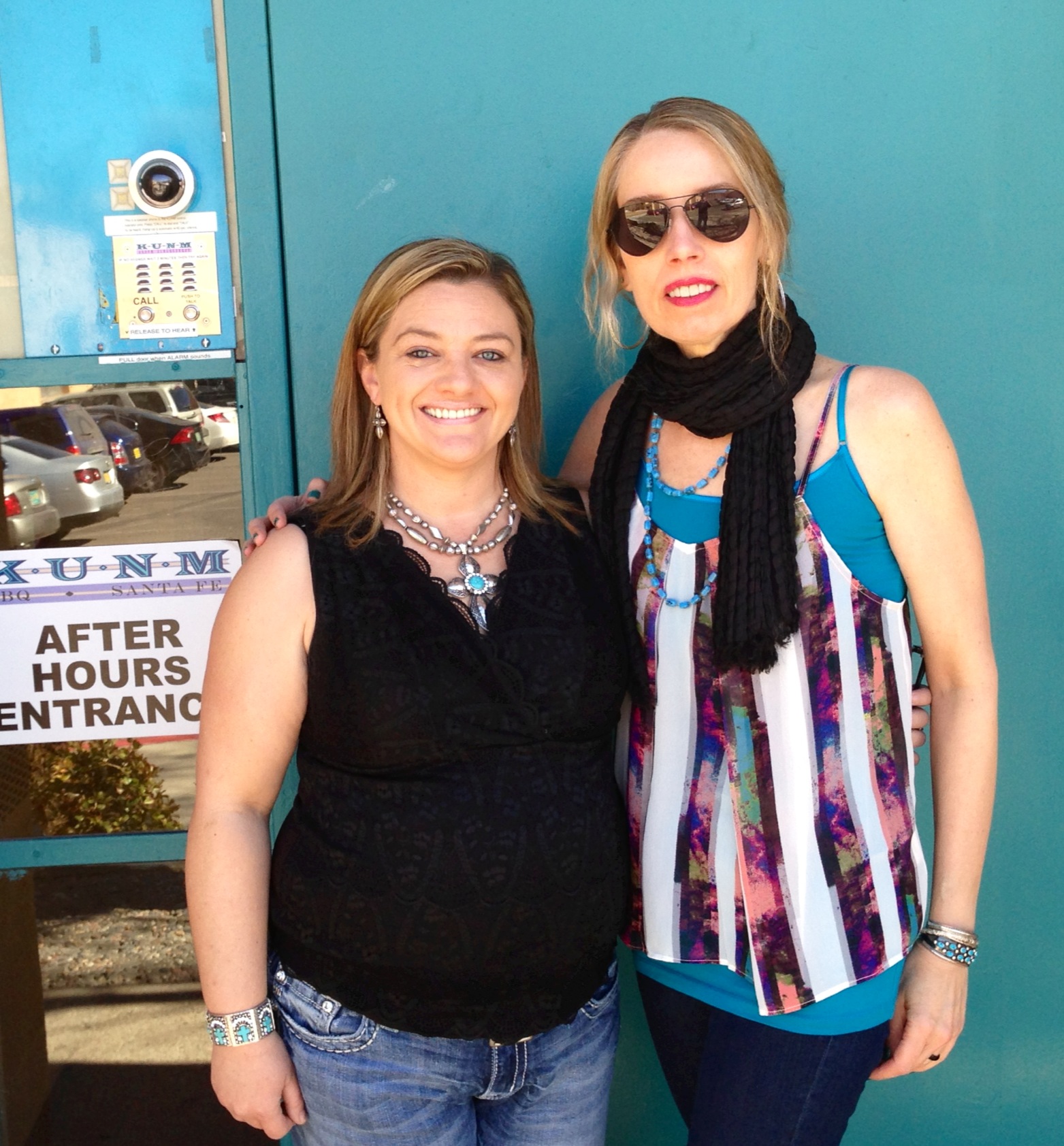
Reporting abuse was risking my life – US veteran & rape victim (Sophie and Co | RT, 2018)
Survivor Advocacy Must Not Recreate the Abuse It Claims to Oppose
Calling yourself an advocate does not automatically make you safe. Having survived abuse does not make every later action harmless. Working beside vulnerable people creates a greater responsibility to respect boundaries, verify claims, avoid gossip, and refuse group retaliation.
Supporting survivors does not require abandoning evidence or due process. No movement becomes safer by allowing a person to make a damaging accusation, recruit a crowd, and treat the size of that crowd as proof.
Shared trauma is not shared character.
The people with the largest platforms, strongest political relationships, or most sympathetic public stories should not be allowed to decide who counts as a “real” survivor, who is permitted to speak, or whose reputation may be sacrificed for the group.
My Voice Survived
I went to Albuquerque believing I was helping tell an important story about male military sexual trauma. I participated because the mission mattered to me. I spoke to The World because service members deserved to know that the system’s failures were not isolated and that survivors were fighting to change them.
I did not deserve to be punished for that interview or any interview that Protect Our Defenders coordinated. I did not deserve to be called degrading names because I refused an airport pick up demand, established boundaries, or chose who could have access to me. I did not deserve to have unsupported allegations circulated through advocacy, political, and media networks.
The interview they helped arrange warned the public about what happens when an abusive system controls the survivor’s future and the surrounding narrative.
What happened afterward taught me that the same danger can exist inside a movement that claims to oppose abuse.
The most haunting part of this story is not merely the hypocrisy. It is the repetition.
But their Plan B did not erase me.
My work survived. My records survived. My faith survived. My voice survived.
And now I get to tell the story in my own words.
Sources and Related Reading
- My First Full Day in Albuquerque, New Mexico: Excitement, Faith, and Warning Signs (March 6, 2013)
- Divinely Protected: The Lord’s Prayer I Prayed at San Felipe de Neri Parish in Albuquerque, New Mexico Before Everything Changed (March 6, 2013)
- Trapped in an Abusive Chain of Command: What I Told The World About Sexual Assault in the Military (August 15, 2013)
- Sexual Abuse Victim Compares Military Service to Being Trapped in a “Domestic Violence Relationship” — The World (August 15, 2013)
- Invisible War Actors and Advocates Devise a Plan to Accuse Other Advocates of “Bullying” (November 2013)
- A Quiet Lifeline: How Onyx Helped Us Survive Relentless Online Bullying; Jennifer, Lee and Onyx Go For a Jeep Ride in Western Maine (August 10, 2013)
- “Sexual Assault Advocates” Use Defamatory Newspaper Article & the Small Town Cop’s Lame AF Narrative to Bounce Medically Retired Service Members Out of MST Advocacy (2024)
- Military Rape Documentary Funded and Distributed by “Serial Predator” and Hollywood Movie Executive Harvey Weinstein
- How Online Mobs Silence Independent Voices (2016)


13 thoughts on “From ‘The World’ Radio Interview to Gang Bullying Three Months Later: What Happened After My Trips to Albuquerque, New Mexico (March 7, 2013)”