The Trip That Changed Everything: Jennifer and Onyx Fly to Albuquerque, New Mexico (June 3, 2013)
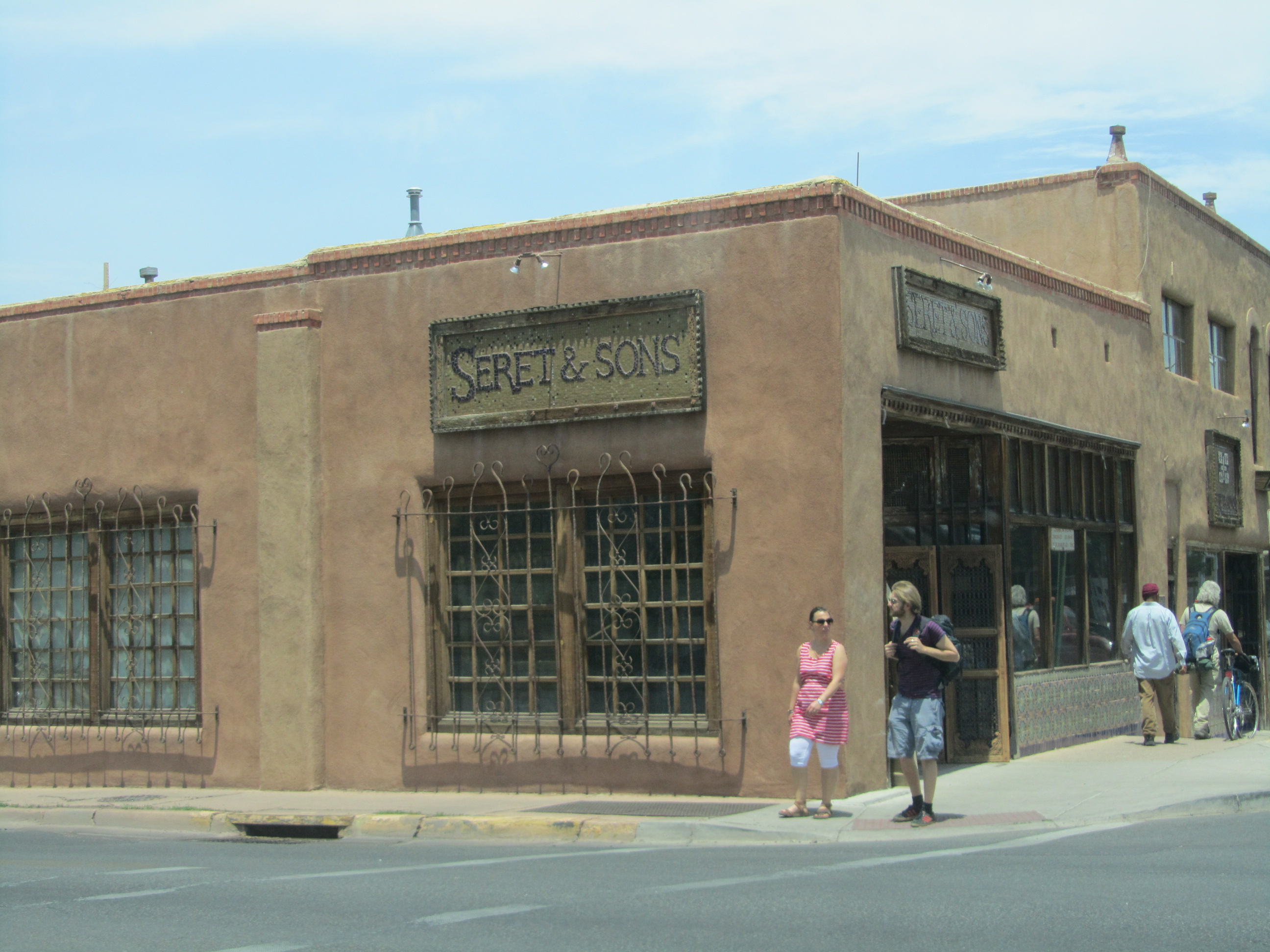
Santa Fe, New Mexico, is more than a beautiful high-desert destination. Known as “The City Different,” it is the oldest state capital in the United States and one of the country’s most historically layered communities. Its adobe buildings, narrow streets, old churches, museums, galleries, and mountain setting preserve the influence of Indigenous Pueblo peoples, Spanish colonists, Mexican citizens, traders, artists, religious communities, and generations of New Mexicans. Walking through Santa Fe is therefore not simply sightseeing—it is an opportunity to move through centuries of American history in a remarkably compact area.
Santa Fe’s story began long before the arrival of Europeans. Pueblo peoples lived in settlements near the present-day downtown and Plaza area as early as approximately 1050, and the place was known in Tewa as O’Ga P’Ogeh, or “White Shell Water Place.” In 1610, Spanish governor Pedro de Peralta established La Villa Real de la Santa Fe de San Francisco de Asís—“The Royal Town of the Holy Faith of Saint Francis of Assisi”—as the capital of the Spanish province of New Mexico. Peralta organized the town around a central plaza bordered by institutions of church, government, commerce, and defense, establishing a pattern that can still be seen today.
The city’s early history was shaped by conflict as well as cultural exchange. Spanish colonial authorities and Franciscan missionaries imposed religious, political, and labor systems on Pueblo communities, contributing to the Pueblo Revolt of 1680. Pueblo nations united, expelled the Spanish from New Mexico, and controlled Santa Fe for the next 12 years. Spanish authority returned in 1692–1693, but Santa Fe continued to change hands over the centuries. It became part of independent Mexico in 1821, was occupied by U.S. forces during the Mexican-American War in 1846, & served as the capital of New Mexico Territory before NM achieved statehood in 1912.
My First Full Day in Albuquerque, New Mexico: Excitement, Faith, and Warning Signs (March 6, 2013)
At the center of this long history is the Santa Fe Plaza. Once a setting for government business, military activity, religious processions, markets, and arriving trade caravans, the Plaza remains the city’s civic and cultural heart. Along its north side stands the Palace of the Governors, constructed beginning in 1610 and recognized as the oldest continuously used public building erected by European settlers in the continental United States. The building served Spanish, Mexican, territorial, and state governments and is now part of the New Mexico History Museum. Beneath its long portal, visitors can also encounter Native American artisans selling work through an authorized program rooted in generations of cultural and commercial exchange.
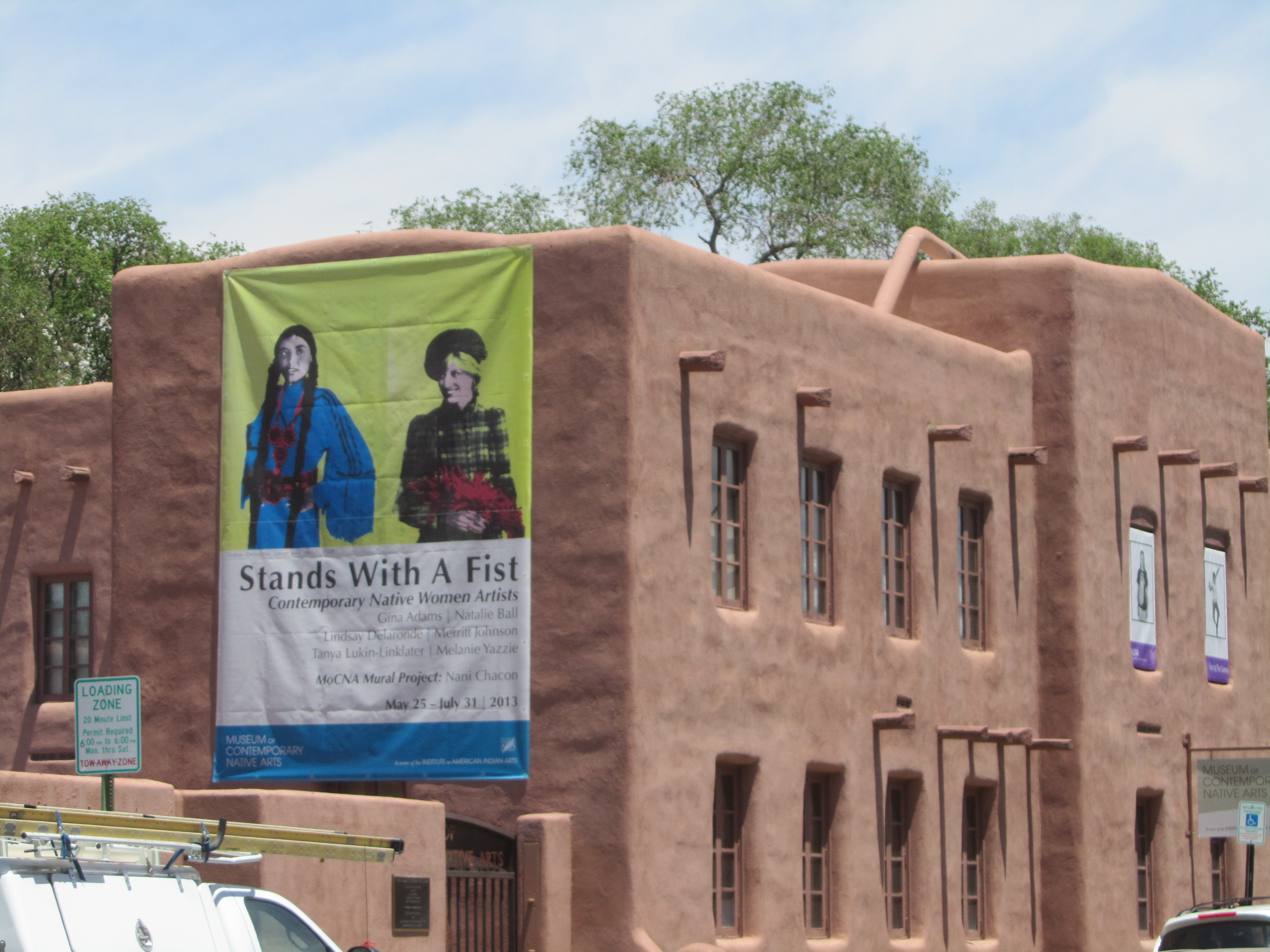
When we arrived in Santa Fe on our first day, the Cathedral Basilica of St. Francis was one of our two priorities. A church has occupied the site since Santa Fe’s founding in 1610, although the current cathedral was constructed between 1869 and 1887 under Archbishop Jean-Baptiste Lamy. Built from locally quarried yellow stone in the Romanesque Revival style, it rises dramatically above a city better known for low adobe buildings. Inside are French stained-glass windows depicting the 12 apostles, the tombs of Archbishop Lamy & other archbishops, and the treasured statue of Our Lady La Conquistadora, brought from Spain in 1625. Pope Benedict XVI elevated the cathedral to the status of a basilica in 2005, recognizing its historical & religious importance.
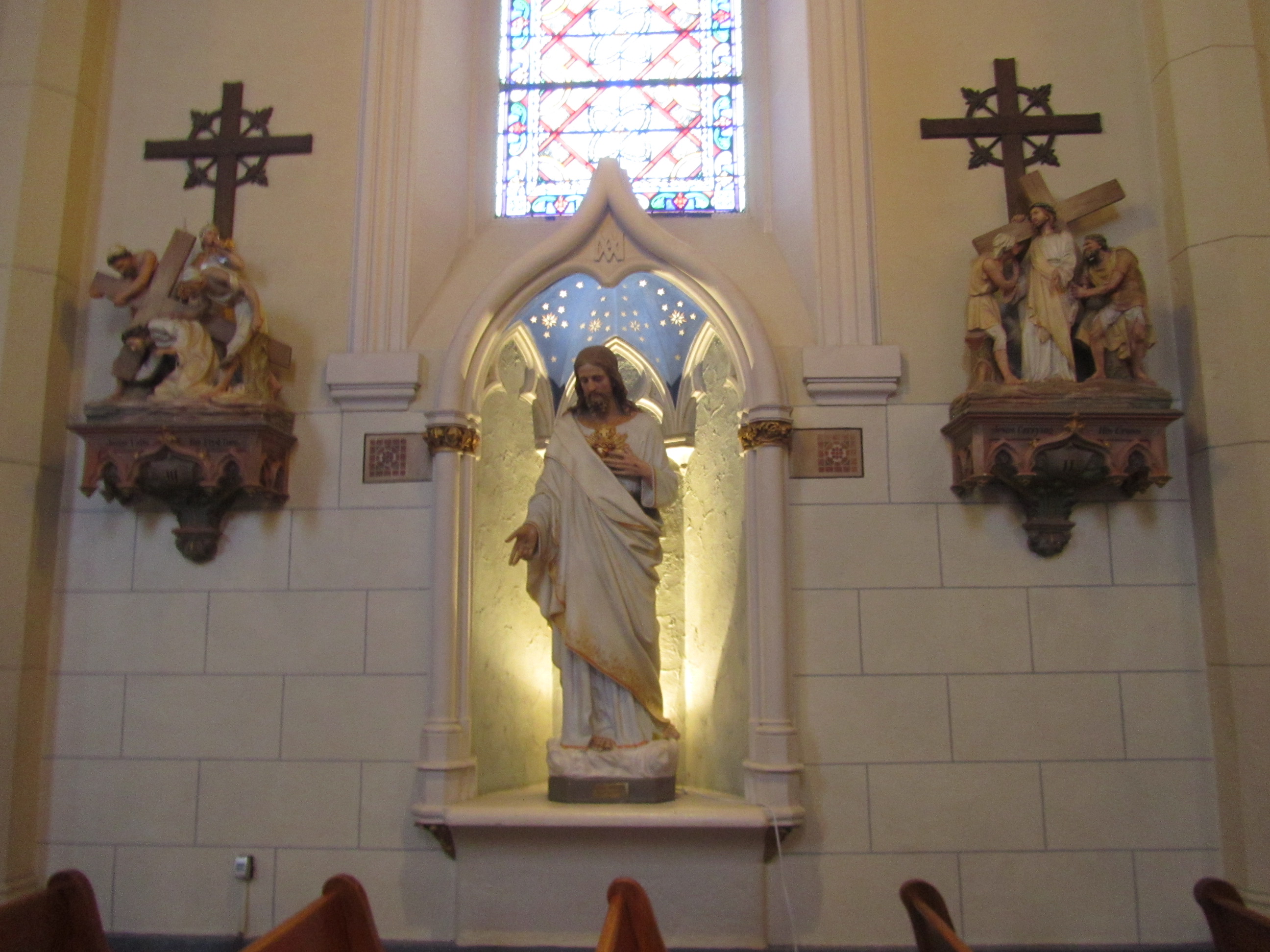
Our other first-day priority was Loretto Chapel, a much smaller building with an equally memorable story. The Sisters of Loretto arrived in Santa Fe in 1852 and opened the Academy of Our Lady of Light, New Mexico’s first permanent school for girls, the following year. Construction of their Gothic Revival chapel began in 1873, and its French-inspired design—with pointed arches, buttresses, a rose window, and stained glass imported from France—stood in striking contrast to traditional local architecture. The chapel is best known for its twenty-foot spiral staircase, which makes two complete turns without a conventional central support. Tradition holds that a mysterious carpenter appeared after the sisters completed a novena to Saint Joseph, built the staircase, and vanished without payment; historical evidence pointed to French carpenter François-Jean Rochas, but the staircase’s beauty, craftsmanship, & mystery continue to fascinate visitors.
Loretto Chapel: The Mystery of Santa Fe’s Miraculous Staircase in New Mexico (June 4, 2013)
Several other historic landmarks help complete a visit to old Santa Fe. San Miguel Chapel, constructed by Tlaxcalan people under Spanish rule between roughly 1610 and 1628 and later rebuilt following damage during the Pueblo Revolt, is commonly promoted as the oldest church in the U.S. Nearby, the Barrio de Analco preserves one of Santa Fe’s oldest neighborhoods. The NM History Museum & Palace of the Governors provide essential context for the events that unfolded around the Plaza, while the distinctive circular NM State Capitol—known as the Roundhouse—connects the city’s colonial & territorial past with its role as the center of state government.
Playing Dumb Until I Reached the Airport: My Last Day in Albuquerque, New Mexico (March 8, 2013)
Santa Fe is also inseparable from art. The Georgia O’Keeffe Museum, which opened in 1997, explores the work and creative life of an artist profoundly influenced by New Mexico’s light, colors, landforms, and open spaces. Canyon Road places galleries, sculptures, gardens, shops, and restaurants inside historic adobe buildings, while Museum Hill brings together institutions devoted to Indigenous art and culture, international folk art, and the Hispano artistic traditions of New Mexico. These are not merely side attractions; they show how Santa Fe transformed its extraordinary cultural inheritance into one of the most recognizable artistic identities in the U.S.
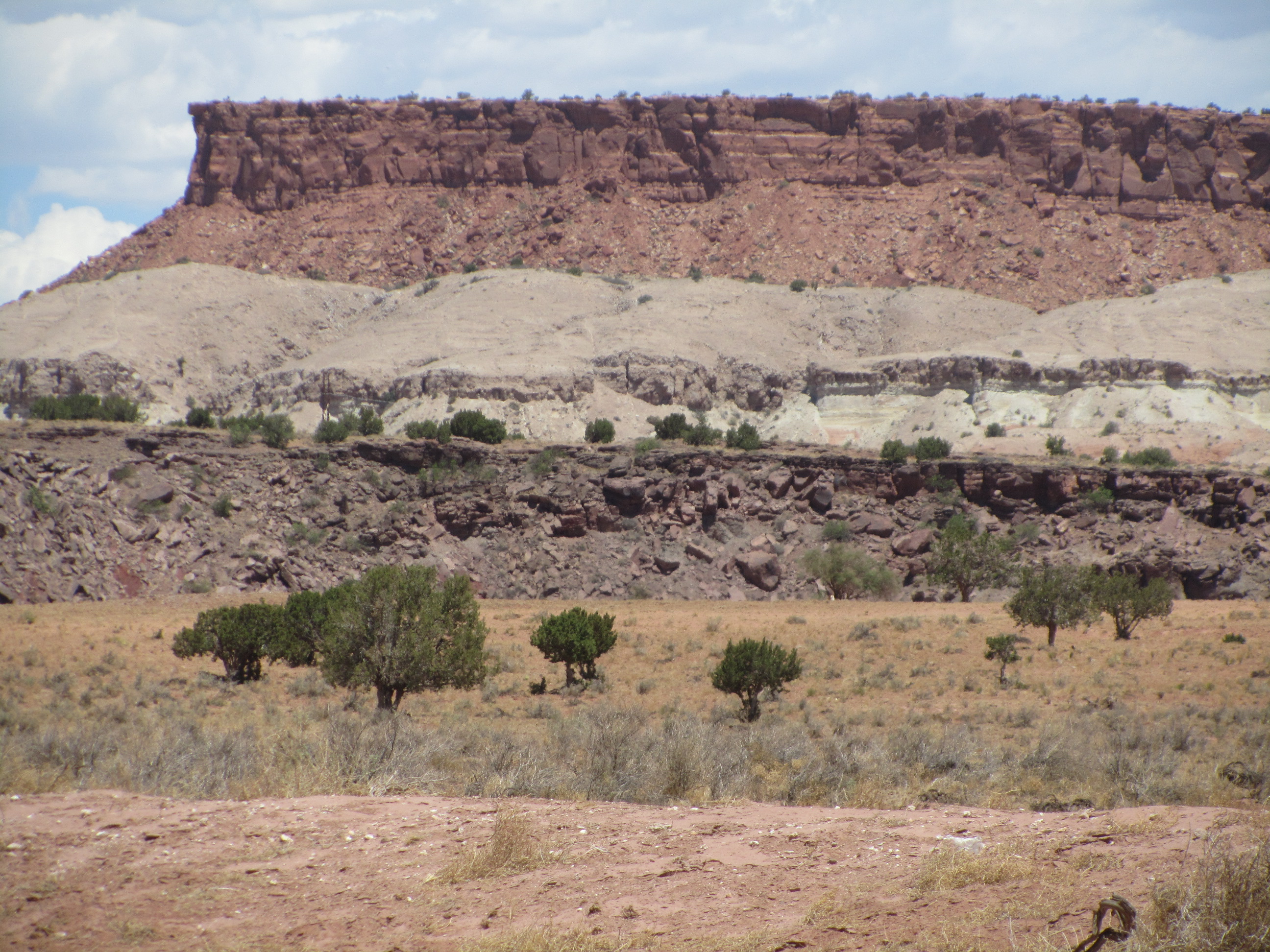
One day was not enough for us. After making the Cathedral Basilica and Loretto Chapel our priorities on our first day, we returned to Santa Fe the next day to continue taking in the city. That return visit reflected what makes Santa Fe so compelling: every block seems to reveal another church, courtyard, museum, gallery, historic marker, or mountain view. The city rewards visitors who slow down, look beyond the surface, and recognize that its beauty rests upon a complex history of endurance, faith, conflict, creativity, cultural survival, and reinvention.
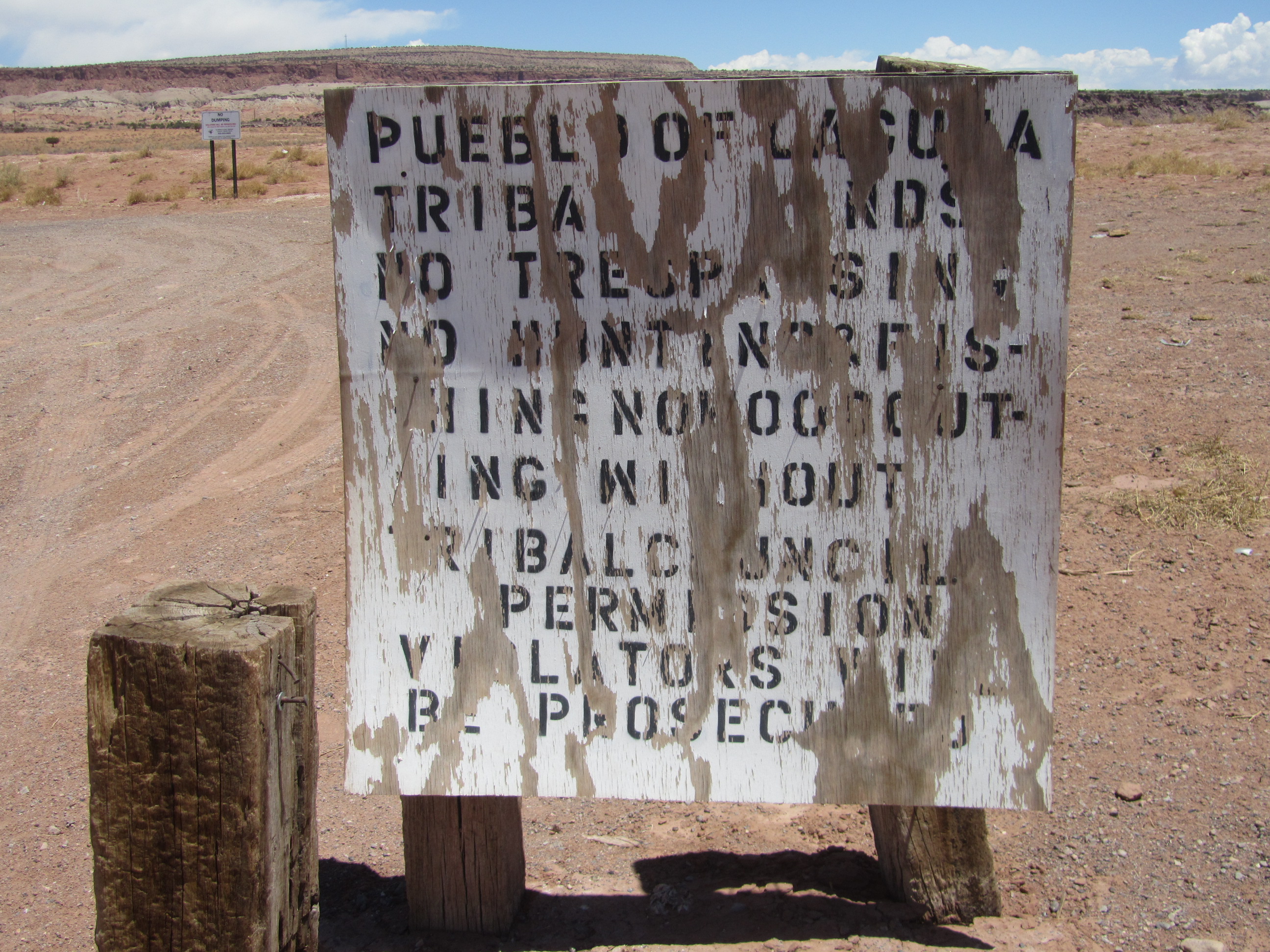
Santa Fe is a living history lesson shaped by Pueblo roots, Spanish colonization, the Pueblo Revolt, Mexican government, American territorial rule, faith, trade, and art. From the Plaza and Palace of the Governors to San Miguel Chapel, the Cathedral Basilica, Loretto Chapel, Canyon Road, and the Georgia O’Keeffe Museum, its iconic attractions reveal different chapters of the same remarkable story. Our decision to devote two days to the city gave us more time to appreciate why Santa Fe remains one of the most historically and culturally distinctive destinations in America.
Sources
- Tourism Santa Fe — Santa Fe’s History
- Tourism Santa Fe — Historic Sites
- Indian Pueblo Cultural Center — Pueblo Revolt
- National Park Service — Santa Fe Plaza
- New Mexico History Museum — Palace of the Governors
- Cathedral Basilica of St. Francis of Assisi — Parish History
- National Park Service — Loretto Chapel
- Tourism Santa Fe — San Miguel Chapel
- Georgia O’Keeffe Museum — About the Museum
- Tourism Santa Fe — Museum Hill


8 thoughts on “Santa Fe, New Mexico: A History Lesson Through Its Most Iconic Landmarks (June 4, 2013)”