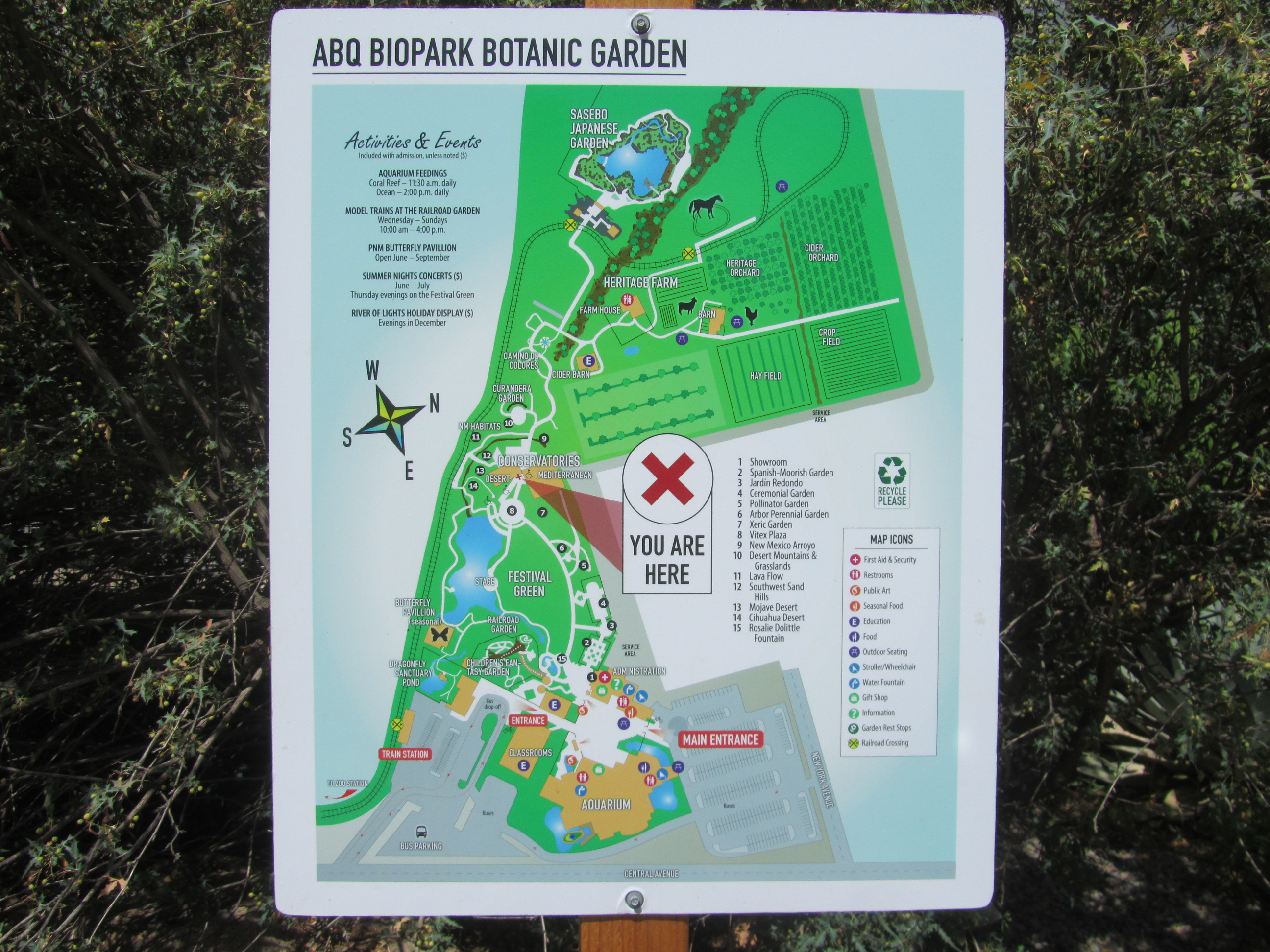
Albuquerque’s high desert may seem an unlikely place to find such a varied garden, but that contrast is part of the appeal of the ABQ BioPark Botanic Garden. Opened in 1996, it now has 32 acres of exhibits featuring plants from the American Southwest and around the world. Near the Rio Grande, visitors can move from carefully designed flower gardens to desert landscapes, a working farm, and a restored stretch of bosque—all in one visit.
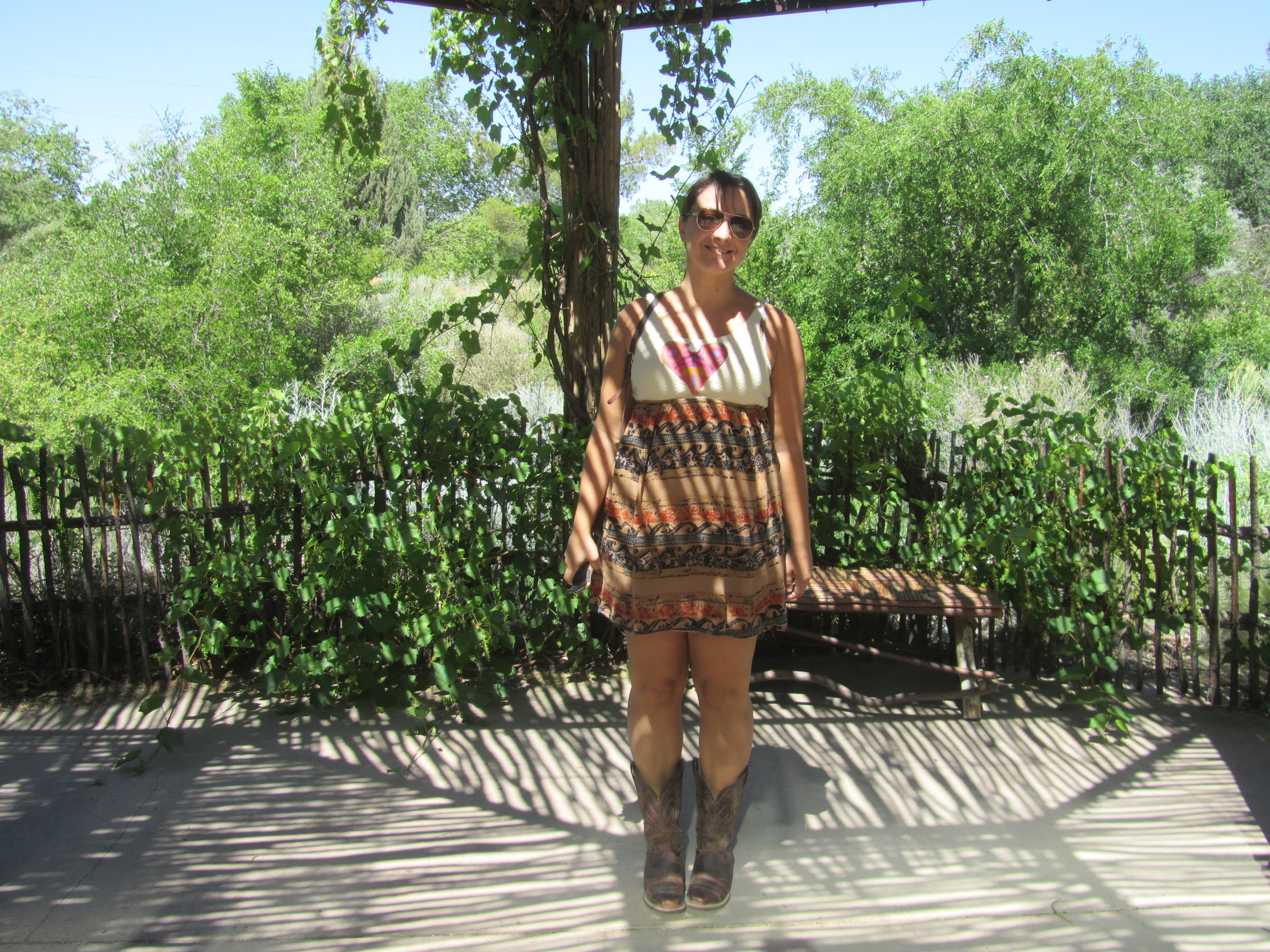
The Old World Walled Gardens, near the entrance, show how garden design can bring beauty and relief from the desert sun. The Spanish-Moorish Garden uses shade, tile, fragrant plants, and restrained water features in a style whose influences traveled from North Africa through Spain to New Mexico. It leads to the circular Jardín Redondo, planted with roses, and then to the Ceremonial Garden, where climbing flowers wind around a shaded arbor.
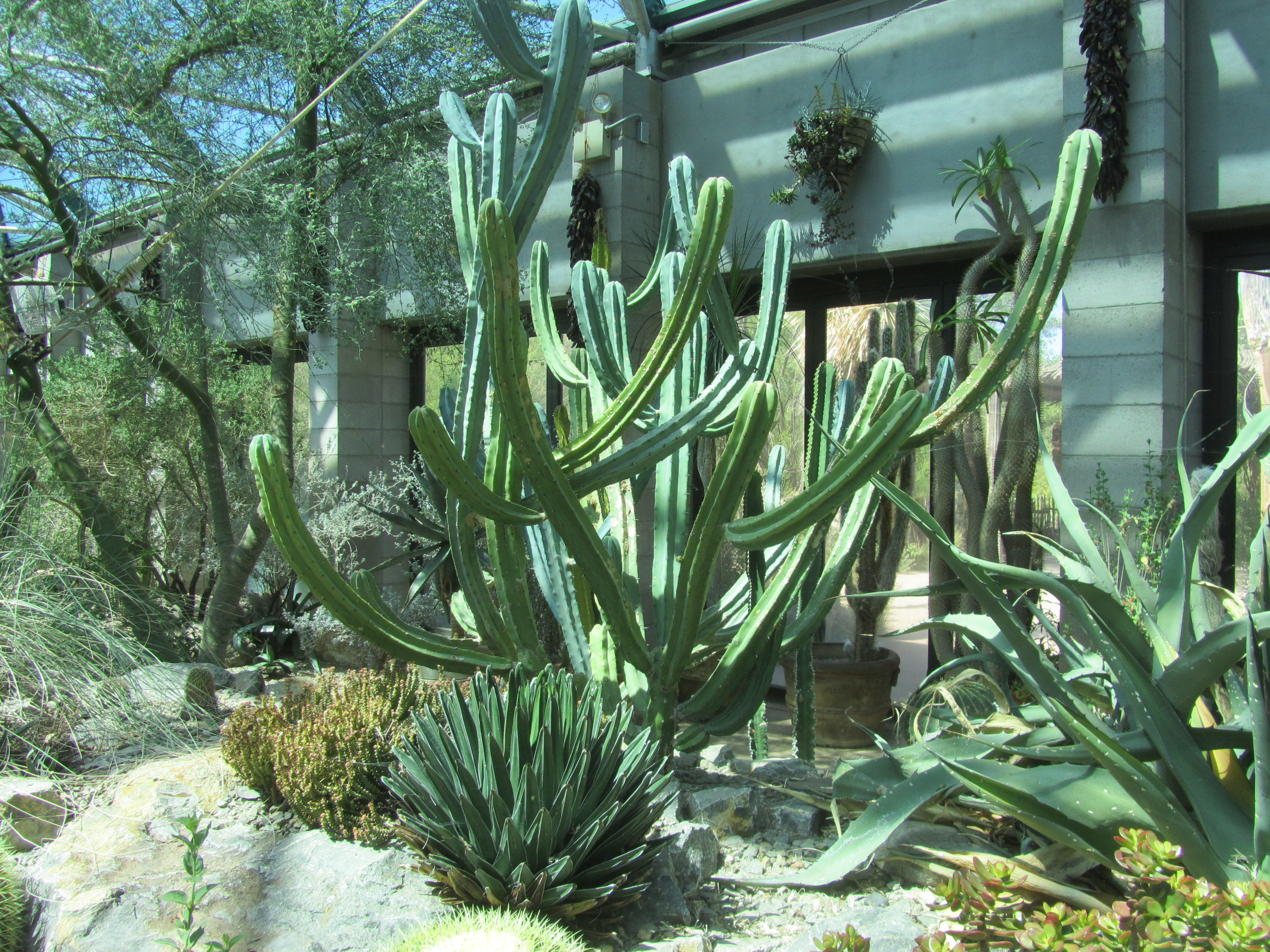
Inside the two conservatories, the journey widens beyond Albuquerque. The Desert Conservatory displays plants adapted to arid regions, including Sonoran saguaros and palo verde, Chihuahuan creosote and yucca, and elephant trees from Baja California. The Mediterranean Conservatory brings together plants from places with dry summers and mild, rainy winters, among them olive trees, rockroses, mints, and sages. Side by side, the exhibits make different strategies for living with heat and limited water easier to see.
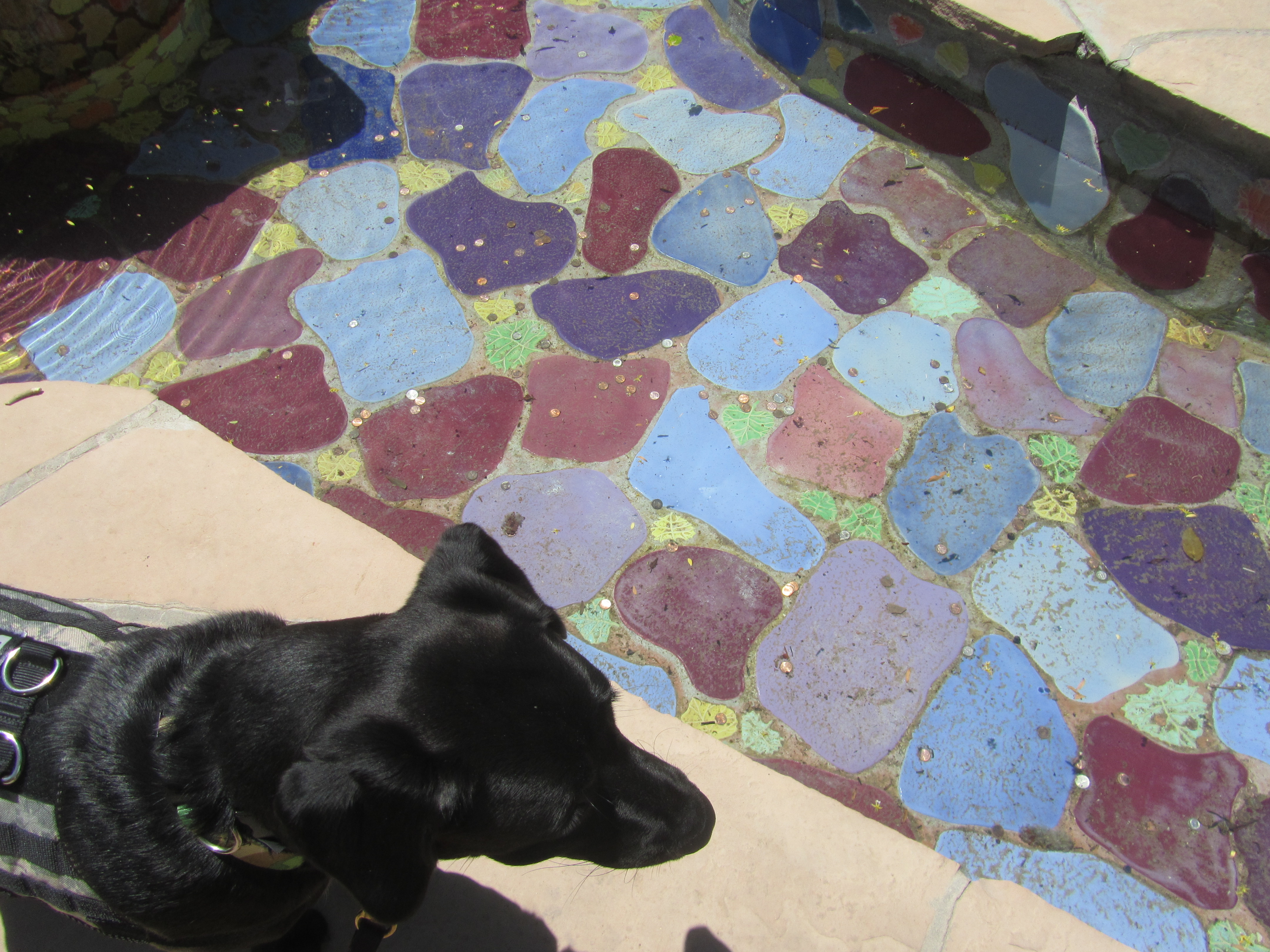
Other spaces connect plants with the ways people mark time and carry knowledge. Camino de Colores represents the four seasons through year-round color, with a water feature and places to pause along the way. El Jardín de la Curandera honors New Mexico’s traditions of curanderismo, or folk healing. Its native and introduced plants reflect the many cultural influences that have shaped those traditions.
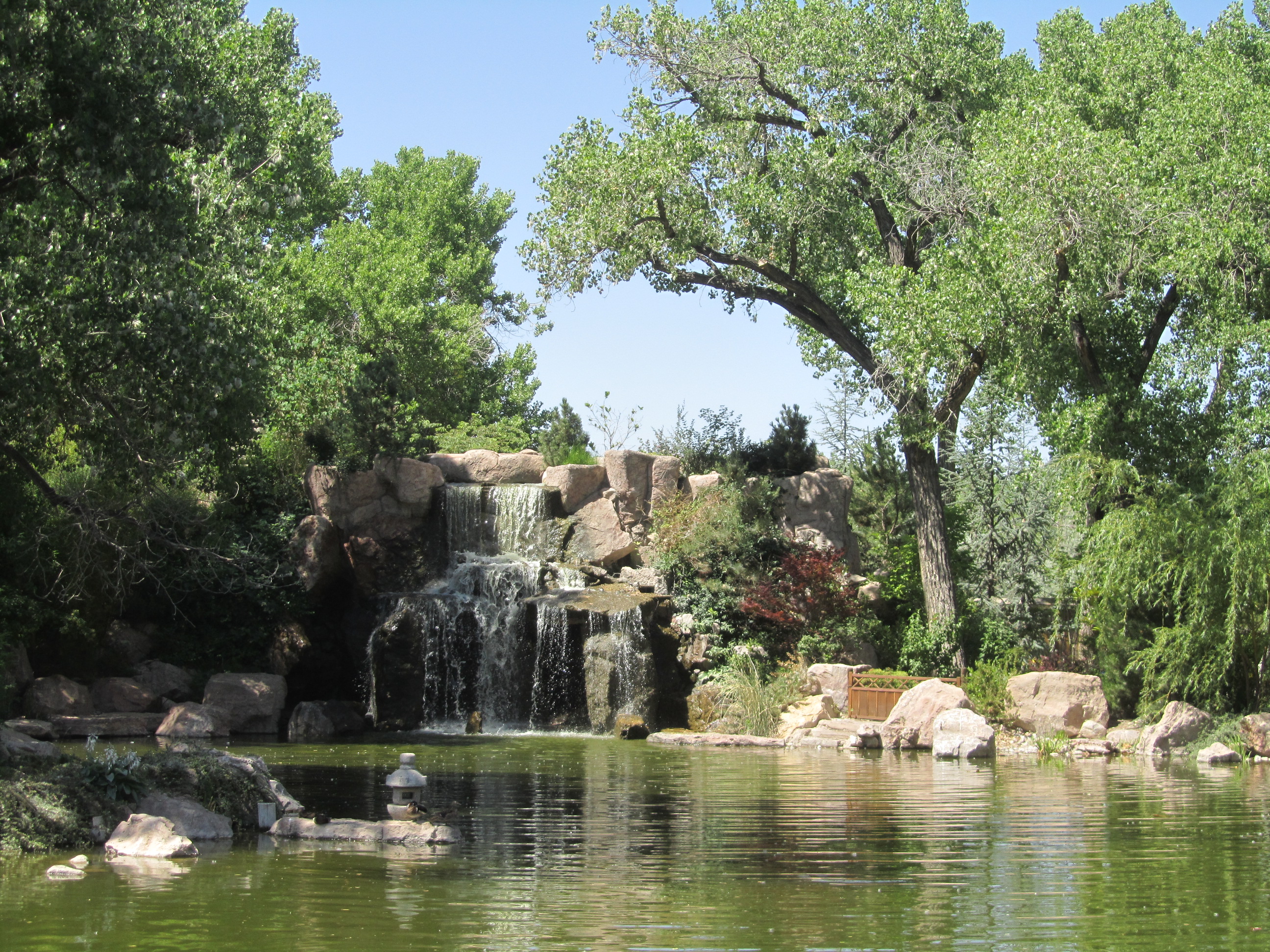
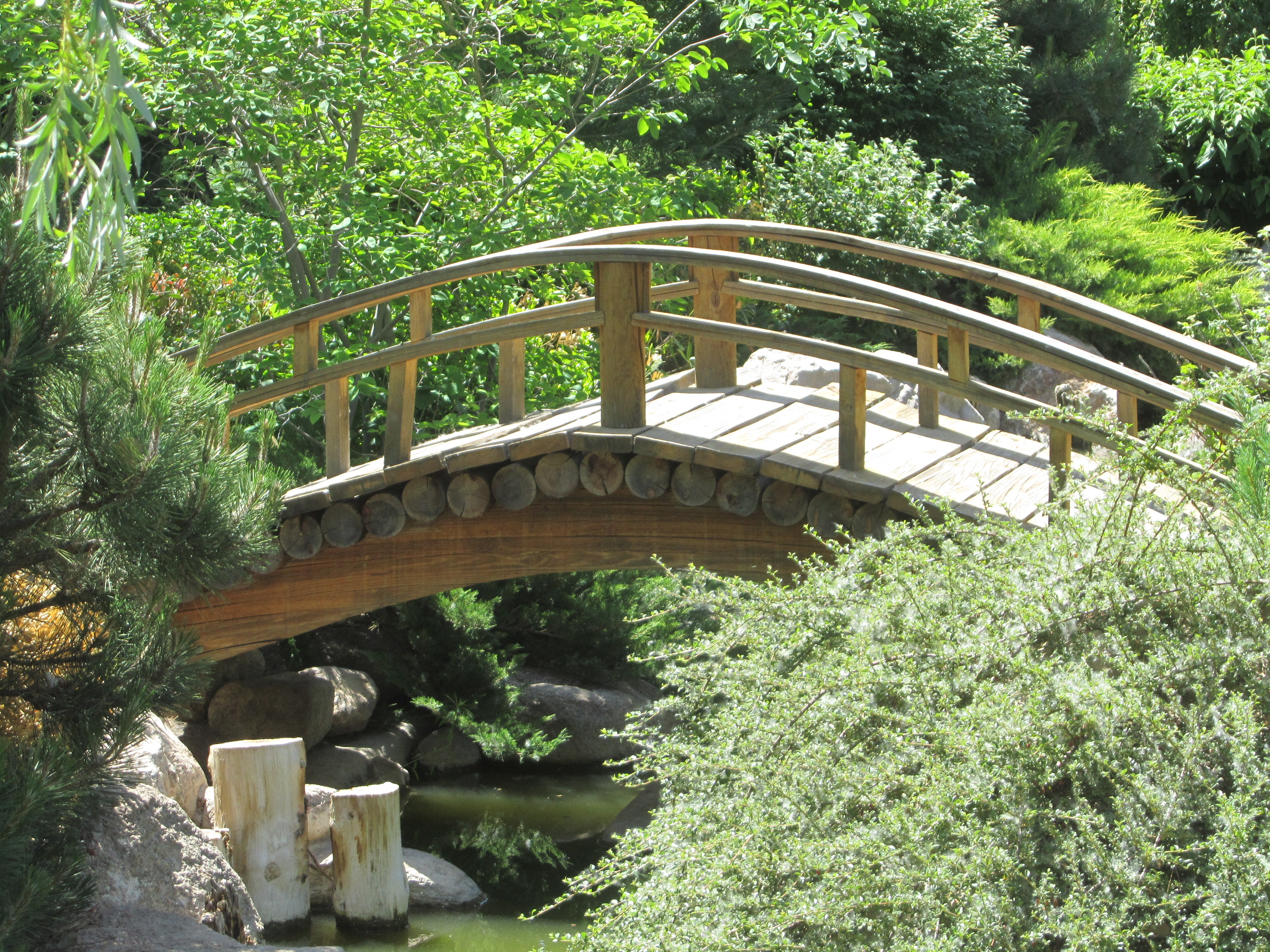
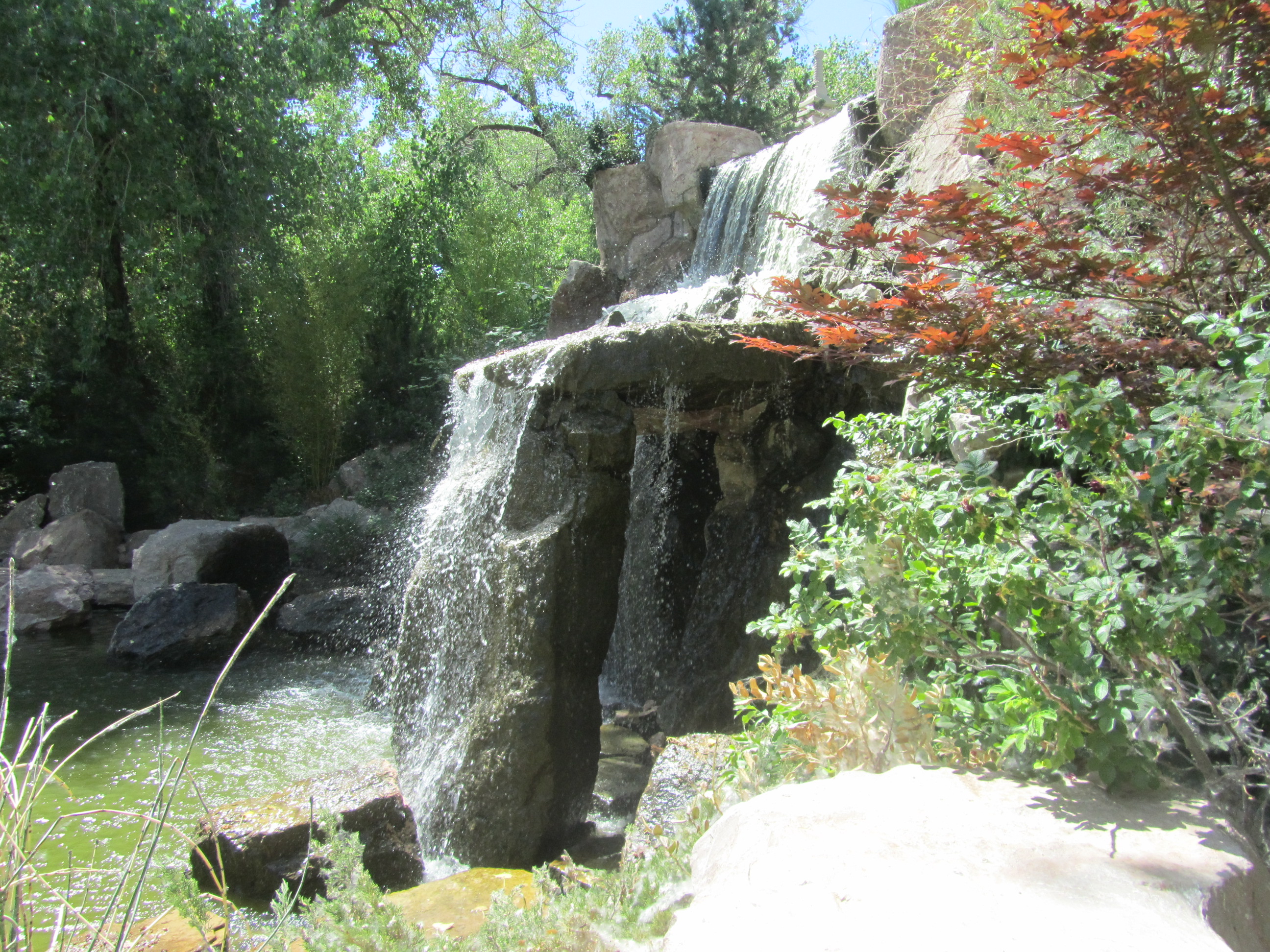
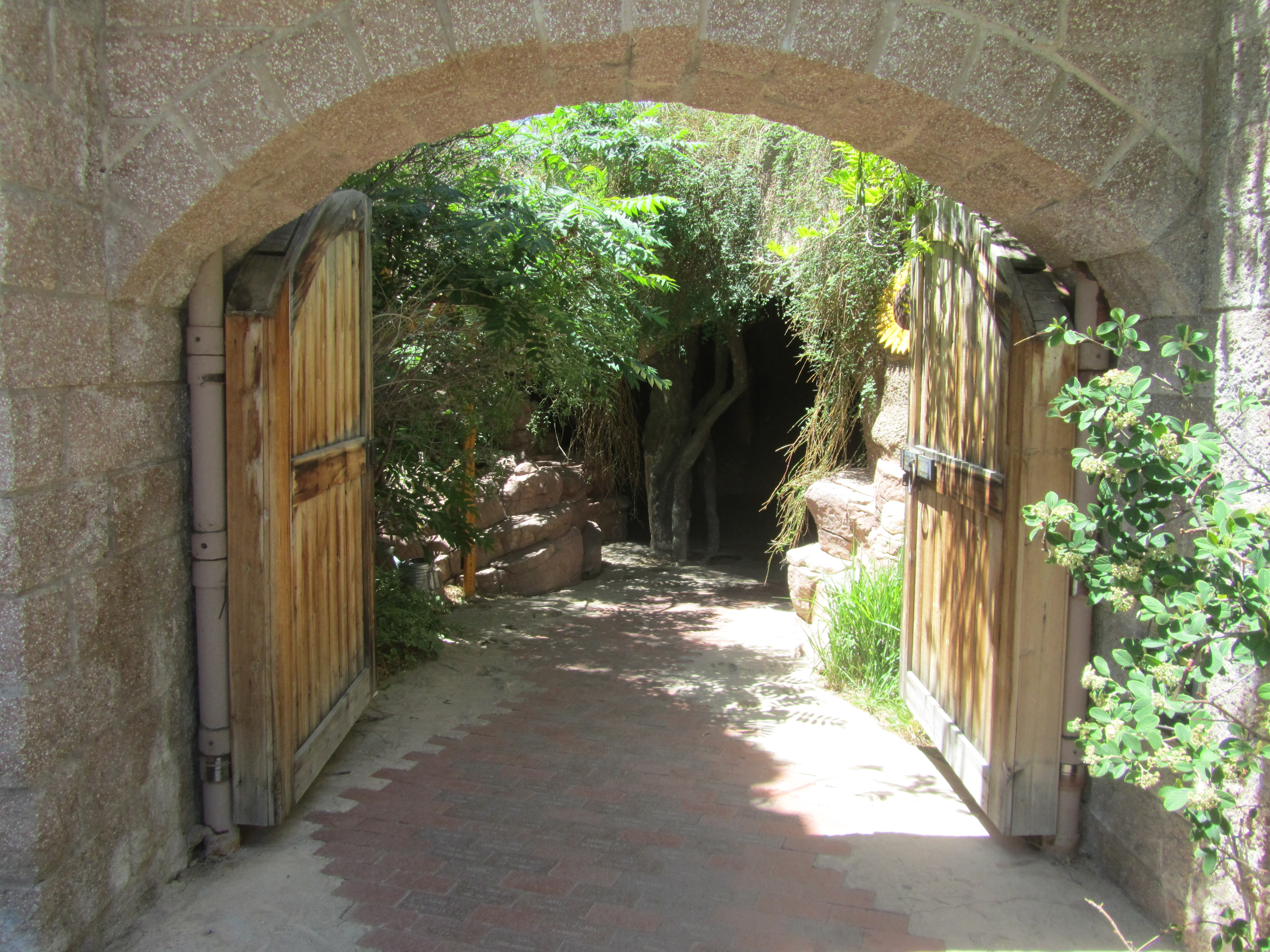
The four-acre Sasebo Japanese Garden celebrates Albuquerque’s sister-city relationship with Sasebo, Japan. Past its wooden gates, paths lead visitors by a waterfall, koi pond, stone lanterns, and bridges over small streams. Japanese plants share the landscape with New Mexican trees shaped in a Japanese aesthetic. Designed by landscape architect Toru Tanaka and opened in 2007, the garden offers one of the BioPark’s most peaceful places to slow down and notice the details.
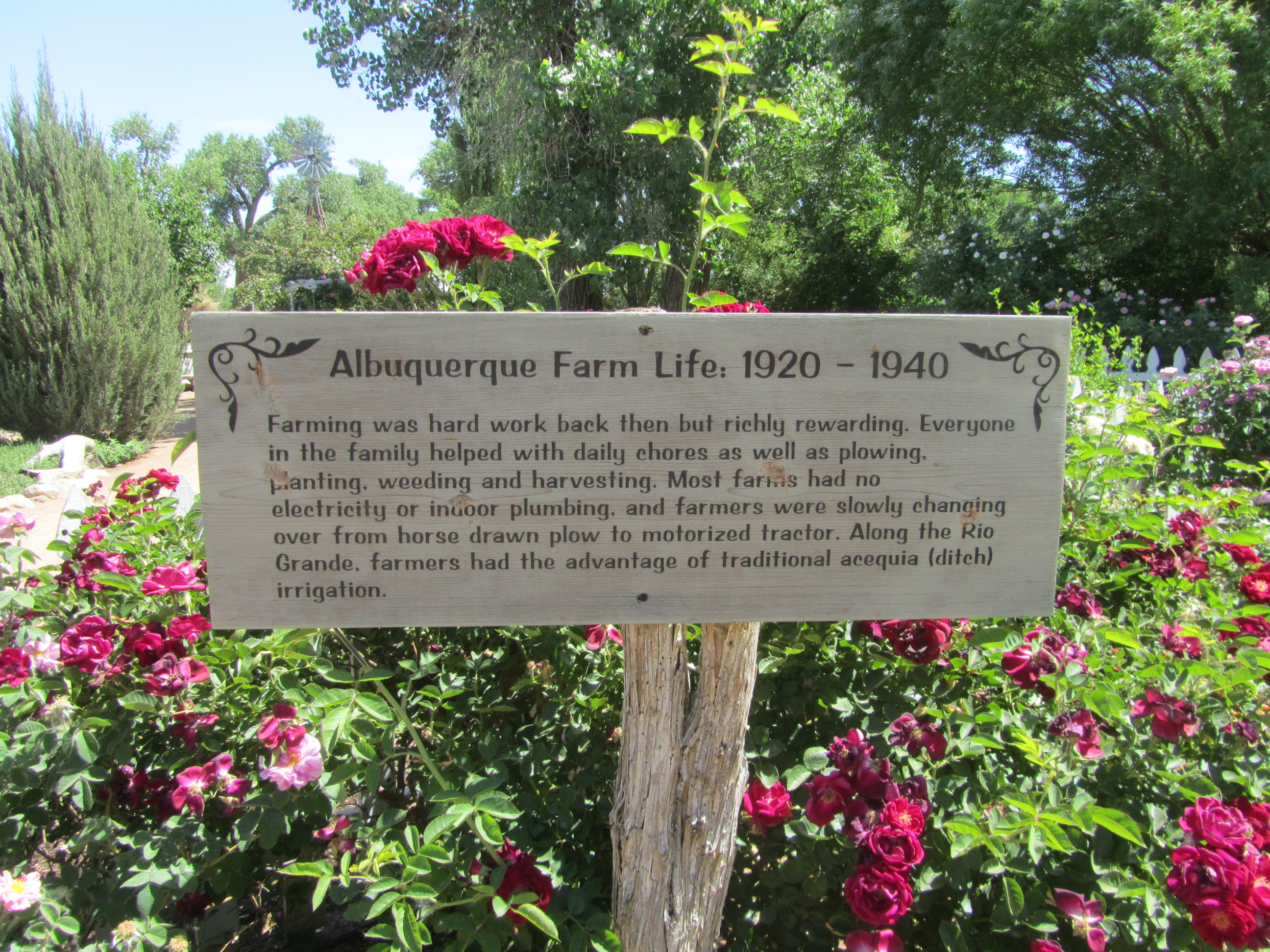
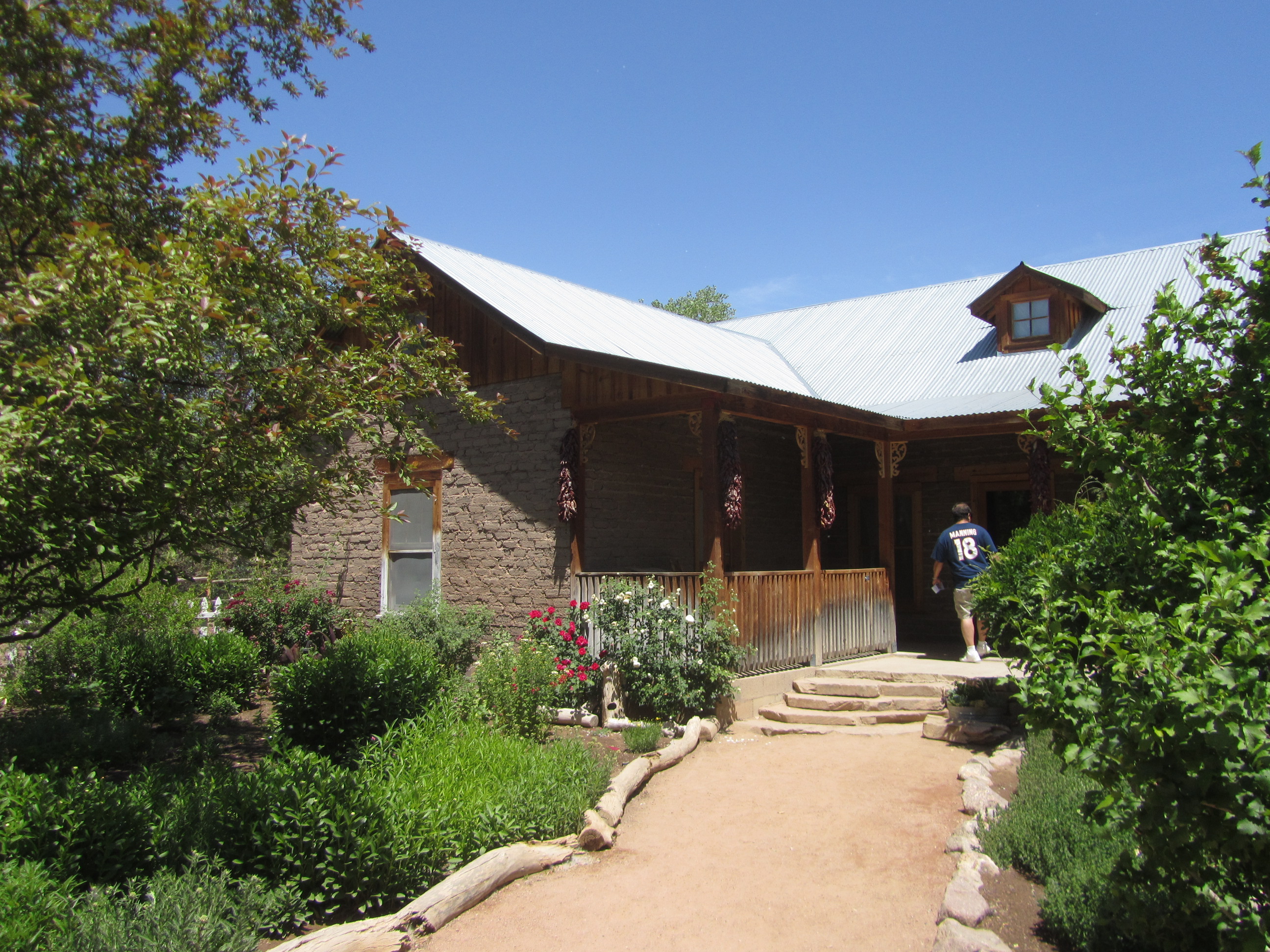
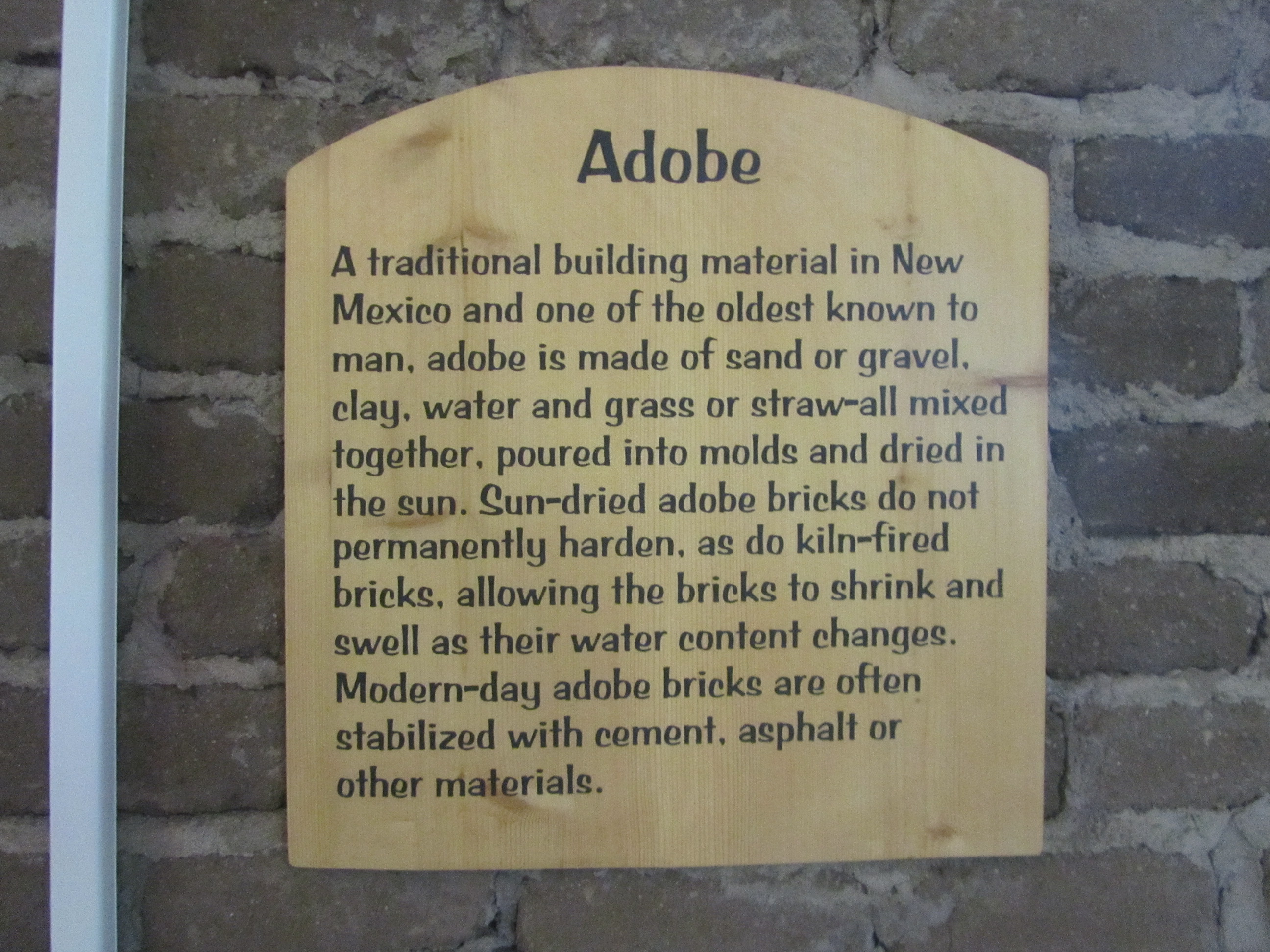
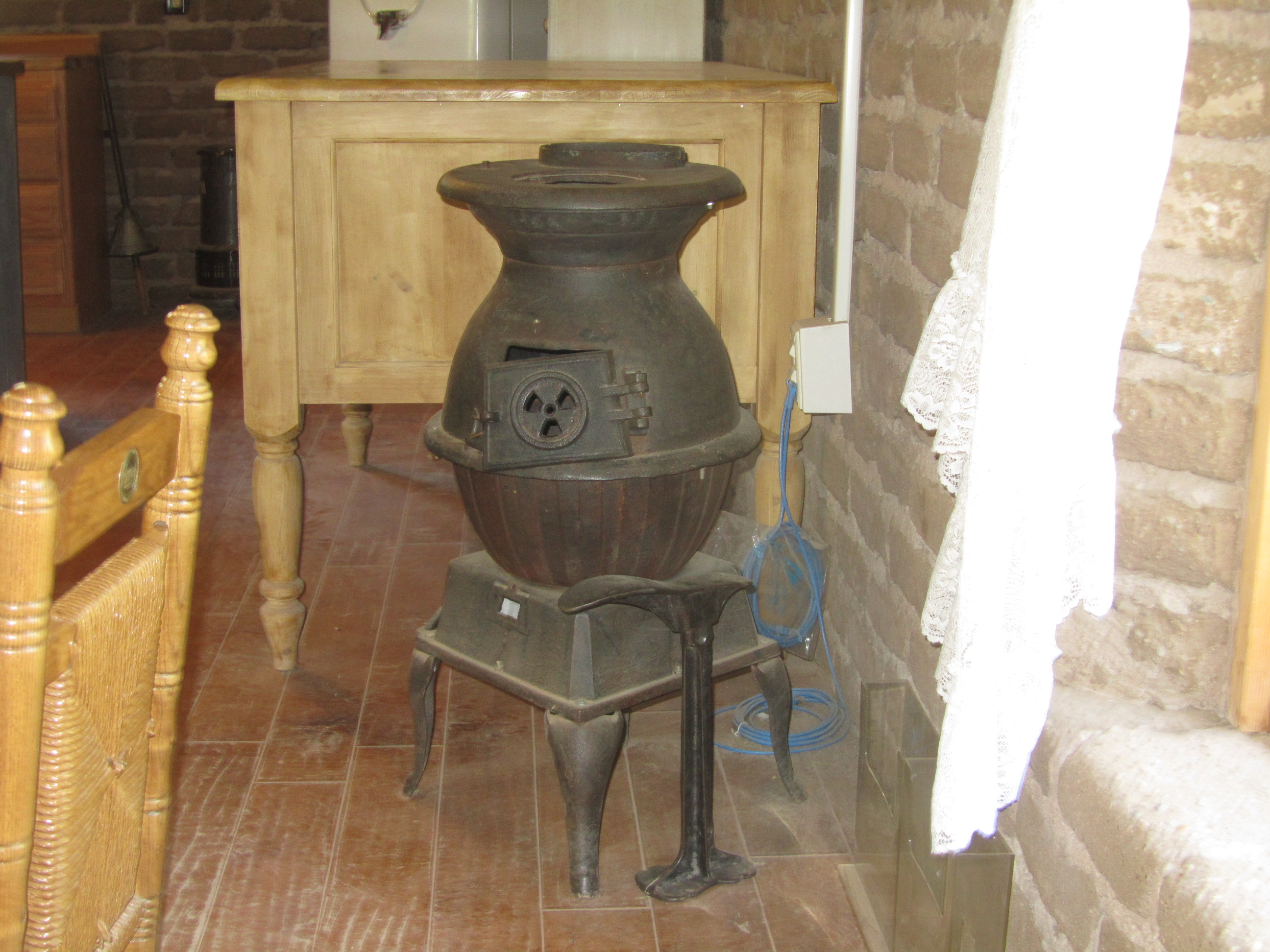
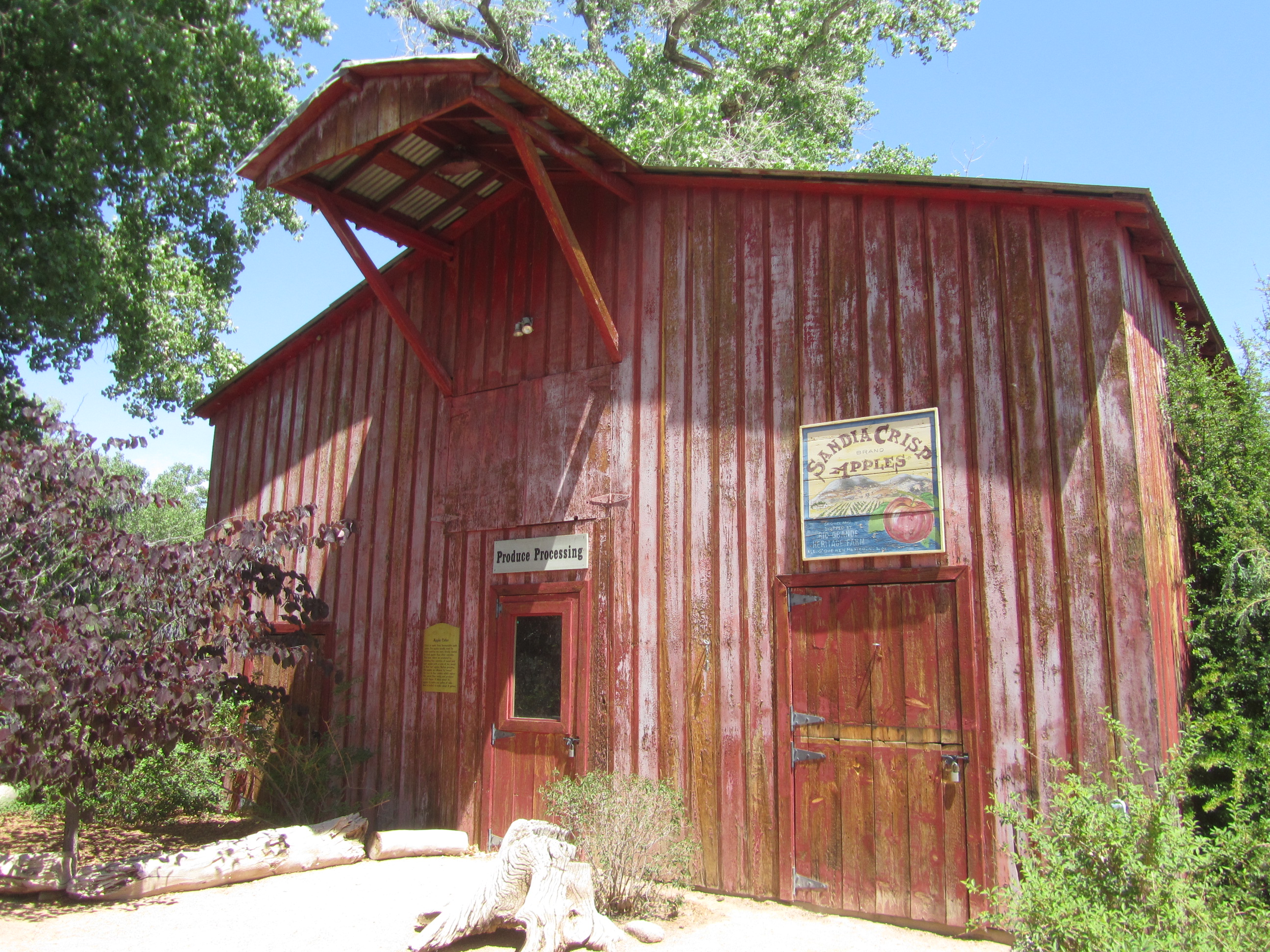
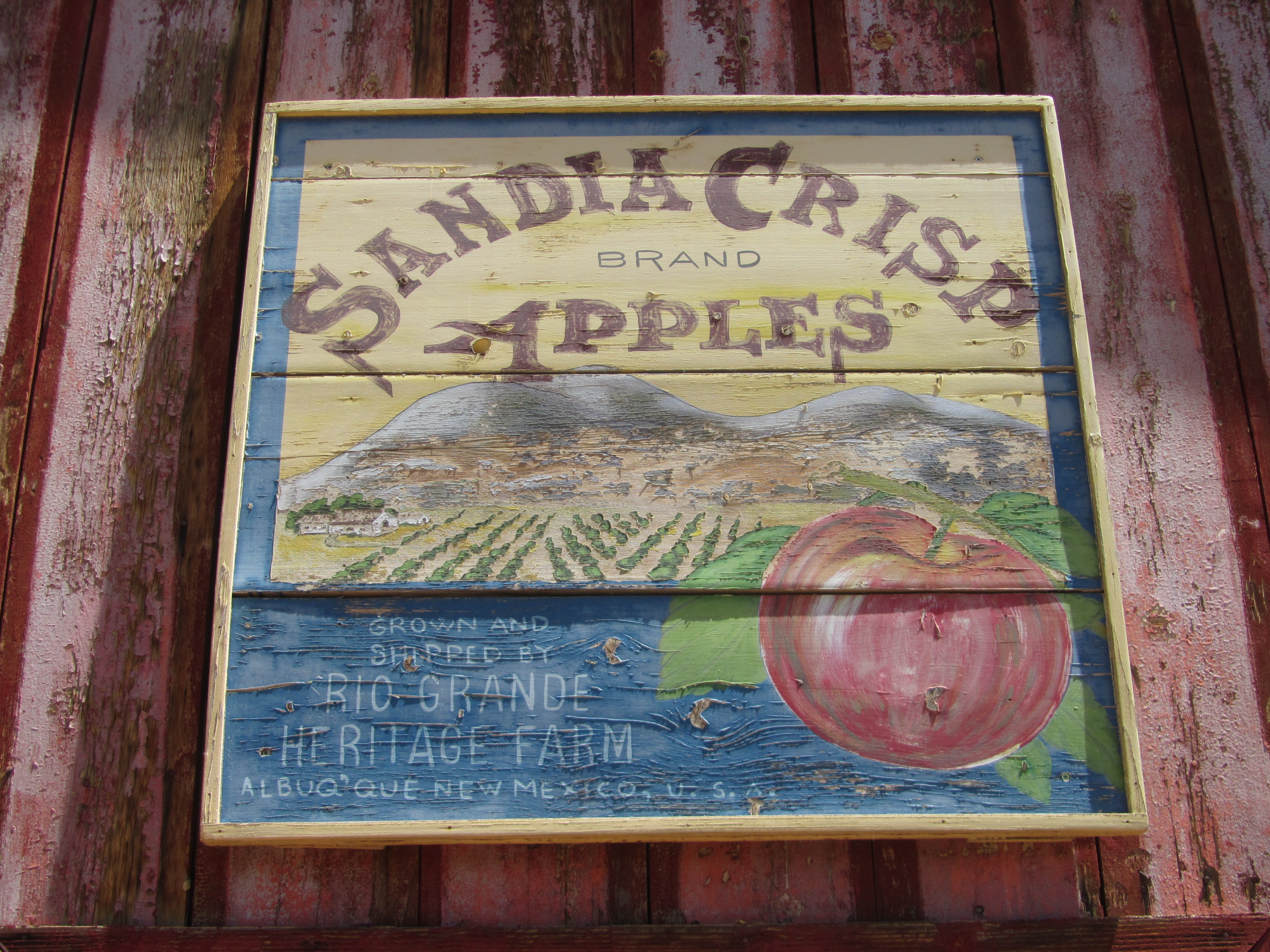
At the Heritage Farm, the focus shifts to the region’s agricultural history. The 11-acre exhibit has an apple orchard, vineyard, crop gardens, cider press building, and farmhouse where artisans demonstrate traditional crafts on select days. Visitors can also see heritage-breed animals, including Navajo-Churro sheep, as well as newer residents such as Highland cattle, miniature donkeys, and Nigerian dwarf goats. Reopened in April 2025 after renovations, the farm also grows some food for animals elsewhere in the BioPark.
Beyond the farm lies the five-acre Cottonwood Gallery, a restored section of the Rio Grande bosque. Mature cottonwoods shade paths through native trees and shrubs, creating habitat for wildlife that can include roadrunners, kestrels, porcupines, and great horned owls. This part of the garden feels less like a formal display and more like an invitation to see the river’s living landscape—and why restoring native habitat matters.
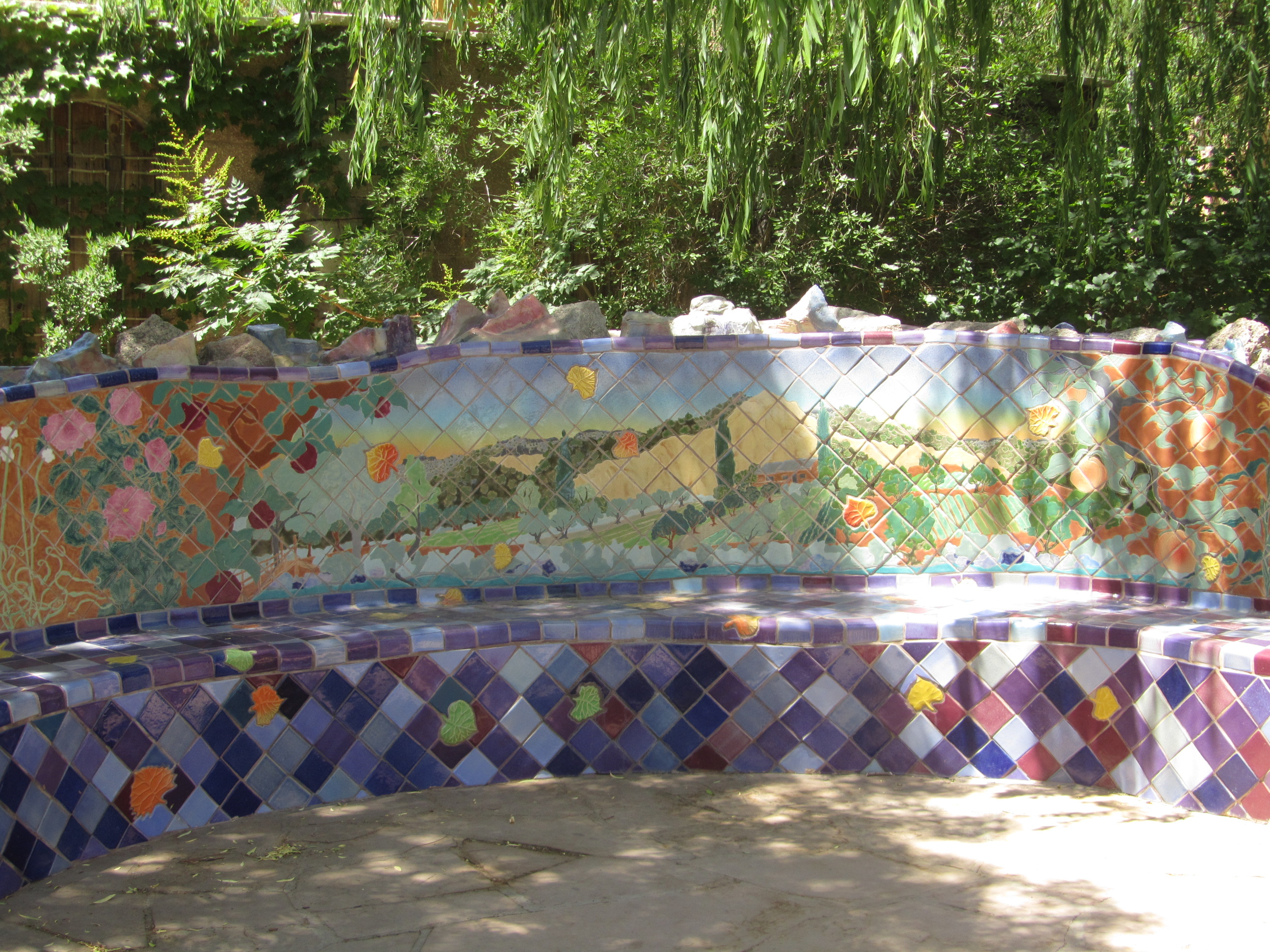
Smaller habitats reward a closer look. At the Dragonfly Sanctuary Pond, aquatic plants and perches attract dragonflies and damselflies, especially from spring through fall; a viewing deck makes it easier to watch them. The Butterfly Pavilion is designed to introduce visitors to native butterflies, moths, and the plants that support pollinators. The City currently lists the pavilion as closed for renovations, so visitors should check its status before making it a priority.
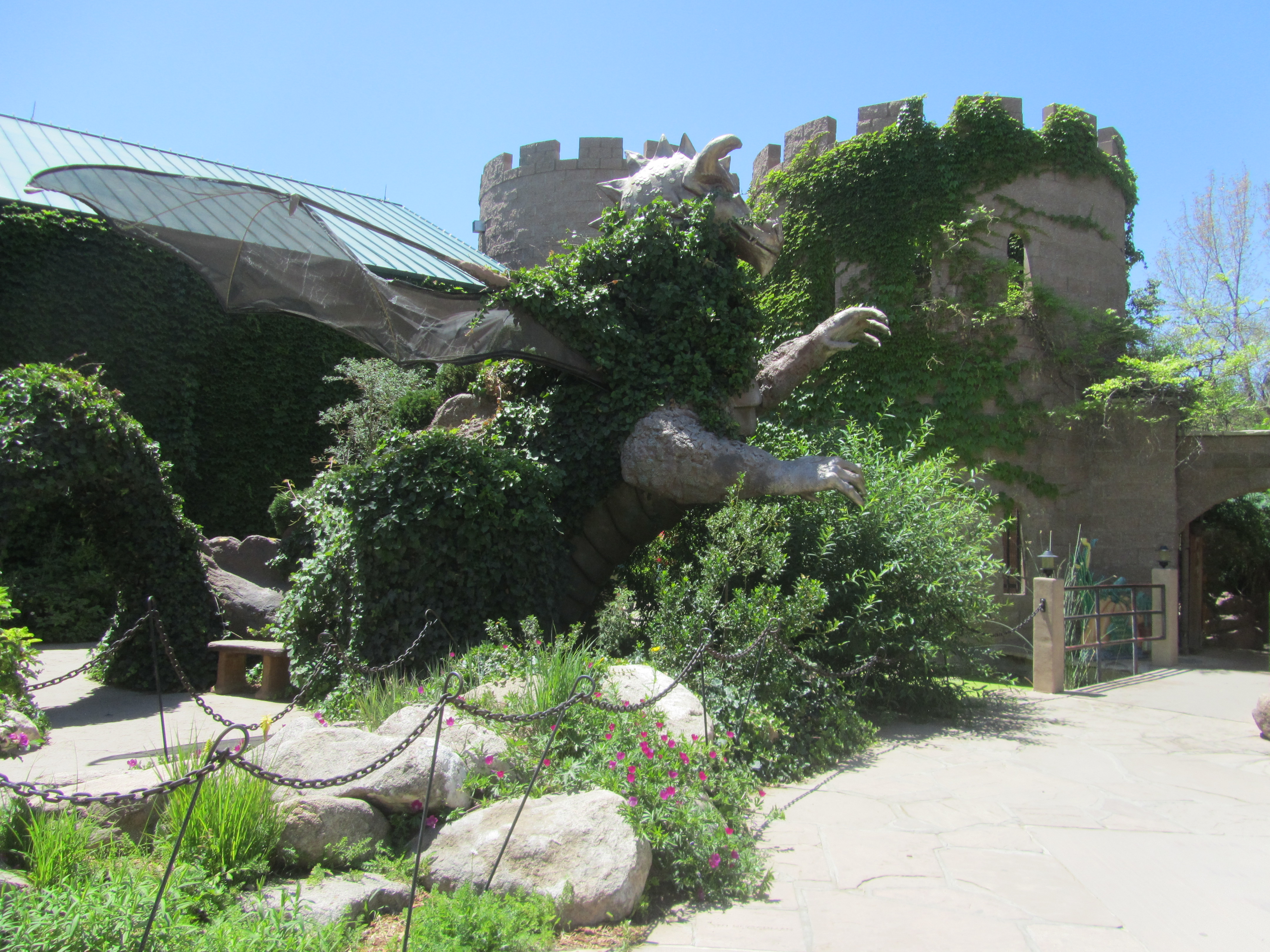
Families may also enjoy the Railroad Garden, where miniature trains wind past villages, bridges, and tunnels in a planted setting. Two other well-known attractions are in transition: the BUGarium, an exhibit about insects and other arthropods, is closed for renovation, and the Children’s Fantasy Garden is being redesigned with an expected reopening in summer 2028. Their closures are worth knowing about when planning a family visit.
The Botanic Garden works best as an unhurried walk: follow the formal paths, linger at the farm, and save time for the cottonwood shade. It is part of the larger ABQ BioPark, which also includes the neighboring Aquarium, the Zoo, and Tingley Beach. As of September 2026, the City lists regular Botanic Garden hours as 9 a.m. to 5 p.m., with exceptions for holidays, winter Mondays, and special events. Check the official visitor page for current hours and exhibit updates.
Across its many landscapes, the garden offers a vivid lesson in how plants, wildlife, water, and human history meet in New Mexico.
Sources for the Botanic Garden article
- ABQ BioPark Botanic Garden
- Old World Walled Gardens
- Desert Conservatory
- Mediterranean Conservatory
- Camino de Colores
- Curandera Garden
- Sasebo Japanese Garden
- Heritage Farm
- Cottonwood Gallery
- Dragonfly Sanctuary Pond
- Butterfly Pavilion
- Railroad Garden
- BUGarium
- Children’s Fantasy Garden
- About the ABQ BioPark
- Visitor information, hours, and tickets
New Mexico Trips
- March 6, 2013 — Divinely Protected: The Lord’s Prayer I Prayed at San Felipe de Neri Parish in Albuquerque, New Mexico Before Everything Changed
- March 6, 2013 — My First Full Day in Albuquerque, New Mexico: Excitement, Faith, and Warning Signs
- March 7, 2013 — From ‘The World’ Radio Interview to Gang Bullying Three Months Later: What Happened After My Trips to Albuquerque, New Mexico
- March 8, 2013 — Playing Dumb Until I Reached the Airport: My Last Day in Albuquerque, New Mexico
- June 3, 2013 — The Trip That Changed Everything: Jennifer and Onyx Fly to Albuquerque, New Mexico
- June 3, 2013 — Justice Denied at AFMX 2013: Military Sexual Assault Advocacy, Faith, and Survival in New Mexico
- June 4, 2013 — Cathedral Basilica of St. Francis: History, Art and Architecture, Santa Fe, New Mexico
- June 4, 2013 — Loretto Chapel: The Mystery of Santa Fe’s Miraculous Staircase in New Mexico
- June 4, 2013 — Santa Fe, New Mexico: A History Lesson Through Its Most Iconic Landmarks
- June 5, 2013 — A Veteran Advocate’s Day in Albuquerque, New Mexico: Behind the Scenes with Glamour Magazine, Veteran Homelessness, & Military Justice Reform
- June 5, 2013 — Route 66 Nostalgia, an Albuquerque Casino Detour, and a Strange Warning Hidden in My Photos
- June 5, 2013 — Exploring Downtown Santa Fe, New Mexico: Historic Plaza, Adobe Architecture, Art, Culture, Faith, and Southwestern Charm
- June 5, 2013 — Exploring Pecos National Historical Park in New Mexico: History, Culture and Reclaiming My Story
- June 6, 2013 — A Brief Visit to Petroglyph National Monument in Albuquerque, New Mexico
- June 6, 2013 — One Reasonable Boundary, Two Angry Strangers, an Internet Beatdown, and the Smear Campaign That Upended My Advocacy Efforts
- June 10, 2013 — Dear Diary Day: My Journal Entry About PTSD, TSA, and My Service Dog Onyx Who Helped Me Through It.
- August 15, 2013 — Trapped in an Abusive Chain of Command: What I Told ‘The World’ About Sexual Assault in the Military — about the interview conducted while Jen was in Albuquerque.
- November 17, 2013 — Protect Our Defenders “Advocacy” Network: Coordinated Allegations, Reputation Attacks and Gatekeeping — includes the aftermath of the Albuquerque documentary trip.
- August 28, 2026 — From Excitement to Survival Mode: The Albuquerque Trip That Changed How I Trusted, Traveled, and Protected Myself.


