Justice Denied at AFMX 2013: Military Sexual Assault Advocacy, Faith, and Survival in Albuquerque
June 8, 2013 — Albuquerque, New Mexico | By Jen Norris
Author’s note: This is my first-person account, reconstructed from my memories, photographs, and the records I have published over the years. I will present the remaining messages and screenshots in chronological order. I distinguish what I witnessed from what I came to believe later.
1. Why I Went to Albuquerque
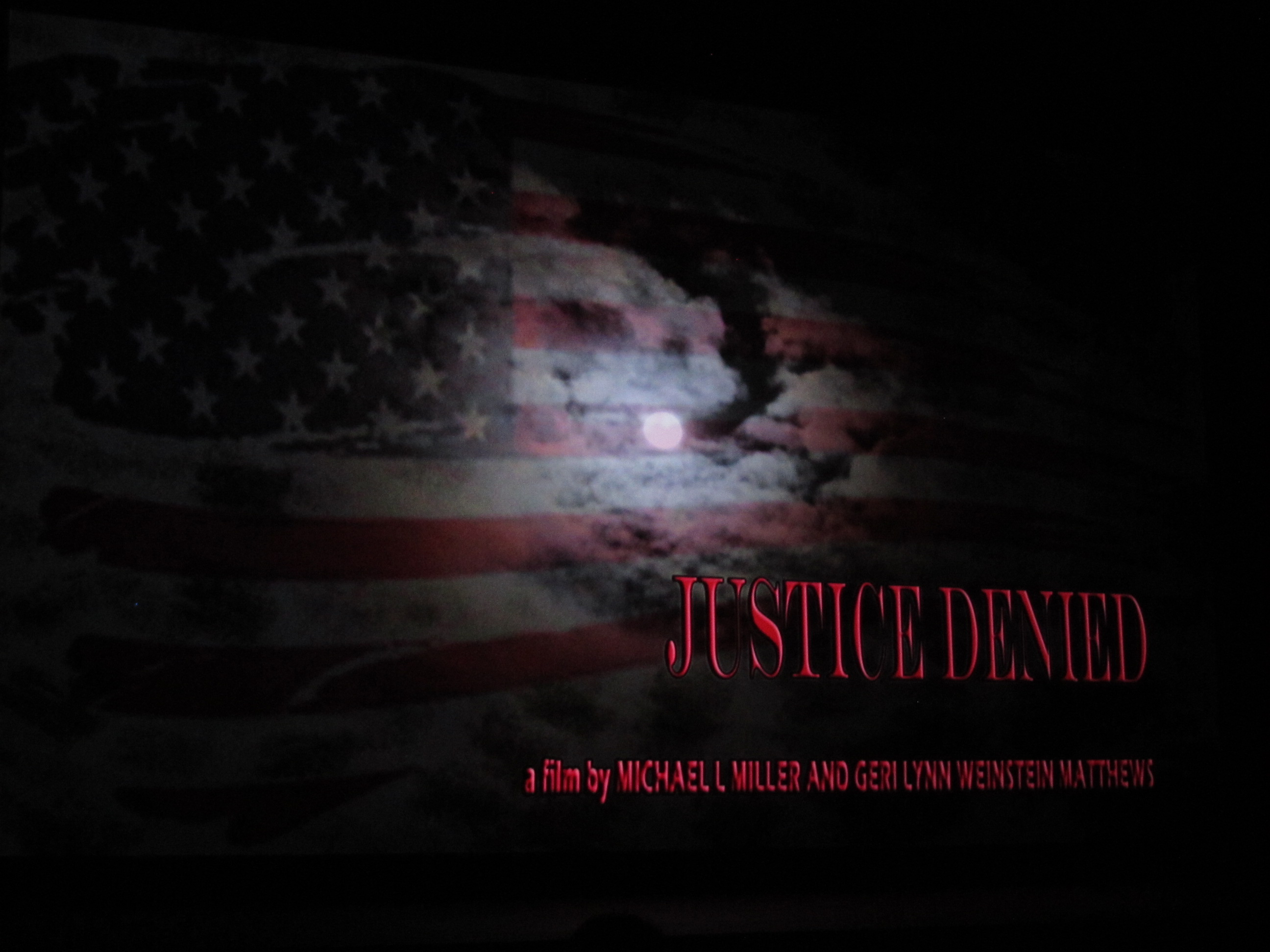
On June 8, 2013, I went to the historic KiMo Theatre in Albuquerque for the premiere of Justice Denied at the inaugural Albuquerque Film and Media Experience. I had been interviewed for and featured in the documentary. I traveled to New Mexico because male survivors of military sexual assault deserved to be heard, and I wanted to support the film and the people brave enough to participate in it. I also wanted to explore Albuquerque, a city I had quickly grown to love. My earlier article about the festival and film explains why that mission mattered to me.
I had my own advocacy work underway. Just weeks earlier, I had stood with Senator Kirsten Gillibrand, Senator Susan Collins, and other survivors at the public introduction of the Military Justice Improvement Act (MJIA). The original proposal would have taken decisions to prosecute most serious crimes out of the chain of command and placed them with experienced military prosecutors. That mattered to service members harmed by sexual assault and to those harmed by other serious crimes. I had fought for that change because I knew what happens when the institution that fails a victim also controls the victim’s path to justice. The May 16, 2013 announcement names me among the survivors who stood there.
From ‘The World’ Radio Interview to Gang Bullying Three Months Later: What Happened After My Trips
2. The Dinner Two Days Earlier
The tension had started before premiere night. On June 6, Michael Matthews asked me to pick up Jeremiah Arbogast at the airport. I had work and plans with the friend traveling with me, so I said no. Later, at a dinner for documentary participants, I experienced Arbogast’s response to my introduction as an angry snub.
My traveling companion and I had done nothing to these people except support the film and its participants. If someone had a problem with us, that was their problem to address like an adult. Neither of us was interested in childish games. I have written about the airport request, my refusal, and the dinner in more detail.
I was not going to let a cold reception erase the reason I had traveled across the country.
3. The Film, the Question and Answer Period, and the Bill
On June 8, we showed up. We watched Justice Denied. We supported the film. The men who shared their experiences deserved an audience that would listen.
Then came the question and answer period. During that period Matthews attacked the MJIA in front of the audience. When I looked over at him, Matthews and Arbogast looked angry and disgruntled as all get out. This was the very bill that another film participant and I had fought for and helped introduce alongside Gillibrand three weeks earlier. Michael had relayed to me in May that he did not think the MJIA was the answer and that people considered me a “media whore.”
I kept my composure but I stood up and defended the MJIA. I was not there to fight for a starring role in somebody else’s story. I was there to stand behind a reform I believed could help survivors obtain the first step towards real justice. We took a photograph in front of the AFME wall with Onyx and left.
4. One Drink at the After-Party
The premiere’s after-party was at a bar down the street. The atmosphere was nice. My friend and I sat at a table by ourselves and had a drink. We wanted to show support before slipping out.
My memory of that outing is remembering feeling isolated. At one point I looked over and saw Arbogast, Matthews, and Susan Avila-Smith looking in our direction with angry expressions. At the time, I didn’t understand what was going on nor did I care about winning their approval. Their feelings were not a reason for me to surrender my boundaries or stop supporting survivors.
What I did not yet understand was how much that ordinary boundary—saying no to an airport pickup—mattered. Onyx kept me grounded in unfamiliar rooms. I had prayed through my time in New Mexico, and I wore the new diamond cross necklace I had bought in Santa Fe.
1 Reasonable Boundary, 2 Angry Strangers, & the Smear Campaign That Upended My Advocacy Efforts
5. June 9: The Start of the Smear Campaign
I date the beginning of the smear campaign to June 9, the day after the premiere. When I got back to Maine, I found a hateful tweet from Arbogast calling me a “bitch and a snob.” I blocked him. My timeline published in February 2014 records the tweet after the New Mexico trip, the later circulation of an unrelated article containing my address, and further accusations that followed. It does not, by itself, establish everything I now believe about why the hostility began.
Months later, a participant gave me a copy of a November 2013 Facebook group discussion. In that later conversation, people discussed compiling accusations, coordinating messages, and contacting organizations, political offices, and media. That November record matters. I will take readers through the evidence and screenshots in the order the events occurred.
The effect on me was real. I was already living with brain injuries that had not been properly understood or treated. I was vulnerable, and the sudden hostility overwhelmed me and shut me down even further. I had gone to New Mexico to support male survivors. I did not expect to come home and become a target.

Trapped in an Abusive Chain of Command: What I Told ‘The World’ About Sexual Assault in the Military
6. Why I Am Putting the Record in Order
My research on Military Justice for All has shown me how vulnerable service members and veterans can be exploited when someone sees a benefit in their access, money, insurance, or assets. The site documents Gary Prokop’s murder in a plot involving military benefits and life insurance, Jack Irwin’s murder amid the theft of a disabled veteran’s money and property, and Richard Englander’s murder by a caregiver who sought access to his money. These are separate cases with their own evidence and outcomes but they explain why I take the targeting of vulnerable people seriously, whatever form that targeting takes.
Looking back at June 6th, I believe my refusal to be alone with Arbogast may have spared me an encounter that could have been turned into a false allegation. I believe some people wanted me out of advocacy because I would not step aside from my work or the original scope of the MJIA. These are my conclusions based on what I experienced and what happened afterward.
I intend to bring my concerns and the records I have retained to federal officials, and I will make the chronology available for readers to assess.
Here is what no one can take from that day: I traveled to support male survivors. I watched the film. I stood up for the bill. I took my picture with Onyx in front of the AFME wall. I said no when I needed to. And I made it home.
Sources and Related Records
Premiere, advocacy, and aftermath
- Albuquerque Film & Music Experience — Our Story — Festival history, including its original Albuquerque Film and Media Experience name.
- Justice Denied at AFMX 2013 — The film, its June 8 premiere at the KiMo Theatre, and my reason for attending.
- Senator Collins Leads Bipartisan Effort to Reform Military Justice — The original MJIA proposal and my participation in its public announcement.
- One Reasonable Boundary, Two Angry Strangers — My account of the June 6 airport request and documentary dinner.
- Timeline of MST Gang Stalking — My previously published account of the May call, the tweet after the trip, and subsequent events.
- Protect Our Defenders “Advocacy” Network — The reproduced November 2013 group discussion.
Separate cases discussed for context
- Gary Prokop: Benefits and Life Insurance Case — Military Justice for All
- Jack Irwin: Disability Benefits and Assets Case — Military Justice for All
- Richard Englander: Caregiver and Financial Exploitation Case — Military Justice for All


