
Workplace Betrayal & Ostracism: A Letter to the Commander
Explaining How Toxic Military Leaders Negatively Impact CPTSD (2010)
How failed supervision, professional jealousy, medical-retirement obstruction, and command indifference compounded decades of trauma, military sexual trauma, brain injury, and toxic exposure.
By Jennifer Norris, U.S. Air Force Retired
August 13, 2026
He Wasn’t Protecting the Mission. He Was Protecting the People Who Failed It.
By the time Lee and I reached the medical-retirement process, we were not two healthy service members having a minor disagreement with leadership.
We were two vulnerable Airmen carrying the combined weight of roughly forty years of childhood trauma, family abuse, military sexual trauma, toxic military leadership, grief, brain injuries, chronic illness, and toxic exposure.
We were financially struggling, trying to support a household and Lee’s children, attempting to access appropriate care, and fighting to stay alive long enough to get out of the institution that had already taken so much from us. Our squadron commander knew that we were in serious trouble.
He knew I had PTSD connected to military sexual trauma. He knew that an Operational Readiness Exercise had ended in a panic attack and psychological collapse. He knew I was receiving intensive treatment. I told him that the police had become involved during repeated PTSD crises, that Lee and I had temporarily separated, that Lee was seeking help through the VA in Tennessee, and that I expected to need inpatient treatment.
Instead of treating those disclosures as warnings that two injured service members needed immediate support, he continued to use pressure, demands, belittlement, and bureaucracy against us.
That was not a simple personality conflict.
That was not “tough leadership.”
And it was not mission-focused accountability.
In my view, it was an abuse of command authority that compounded existing injuries while protecting the people whose failures helped push me into psychological collapse.
I Was Already Carrying Trauma the Squadron Could Not See—or Chose Not to See
Long before I arrived at this squadron, I had survived childhood abuse and multiple incidents of sexual violence during my military service. I entered the Air National Guard eager to serve, excel, and build a meaningful career. Instead, I was assaulted by a recruiter and later sexually assaulted by a technical-school instructor. I also reported two men at my first squadron after enduring sexual assault and harassment. This was a pattern.
The consequences of reporting followed me.
I transferred out of my first unit after retaliation and a physical attack. I later served in combat communications at Cape Cod, where I worked through the aftermath of those assaults, the death of my father, stop-loss, an oppressive work climate, and worsening physical symptoms that no one could adequately explain. I was working, training people, maintaining mission capability, and trying to hold my life together while my body and nervous system were deteriorating.
I eventually sought help through the Department of Veterans Affairs. When the next squadron learned that I was receiving treatment and taking medication, I did not experience the kind of informed, trauma-aware support that might have protected both my health and my career. My medical information became another reason for people to judge, label, and control me.
The VA now explains that military sexual trauma can affect emotions, sleep, concentration, memory, relationships, trust, physical health, and reactions to authority—even many years later. It also notes that the response a survivor receives from other people can influence the severity and duration of the harm. None of this means that an MST survivor is incompetent. It means leaders should understand that humiliation, entrapment, rejection, intimidation, and abuse of authority can reactivate an already injured nervous system. The VA’s National Center for PTSD describes these effects in detail.
My leaders did not need a medical degree to understand that I was struggling. I told them.
They needed to listen.
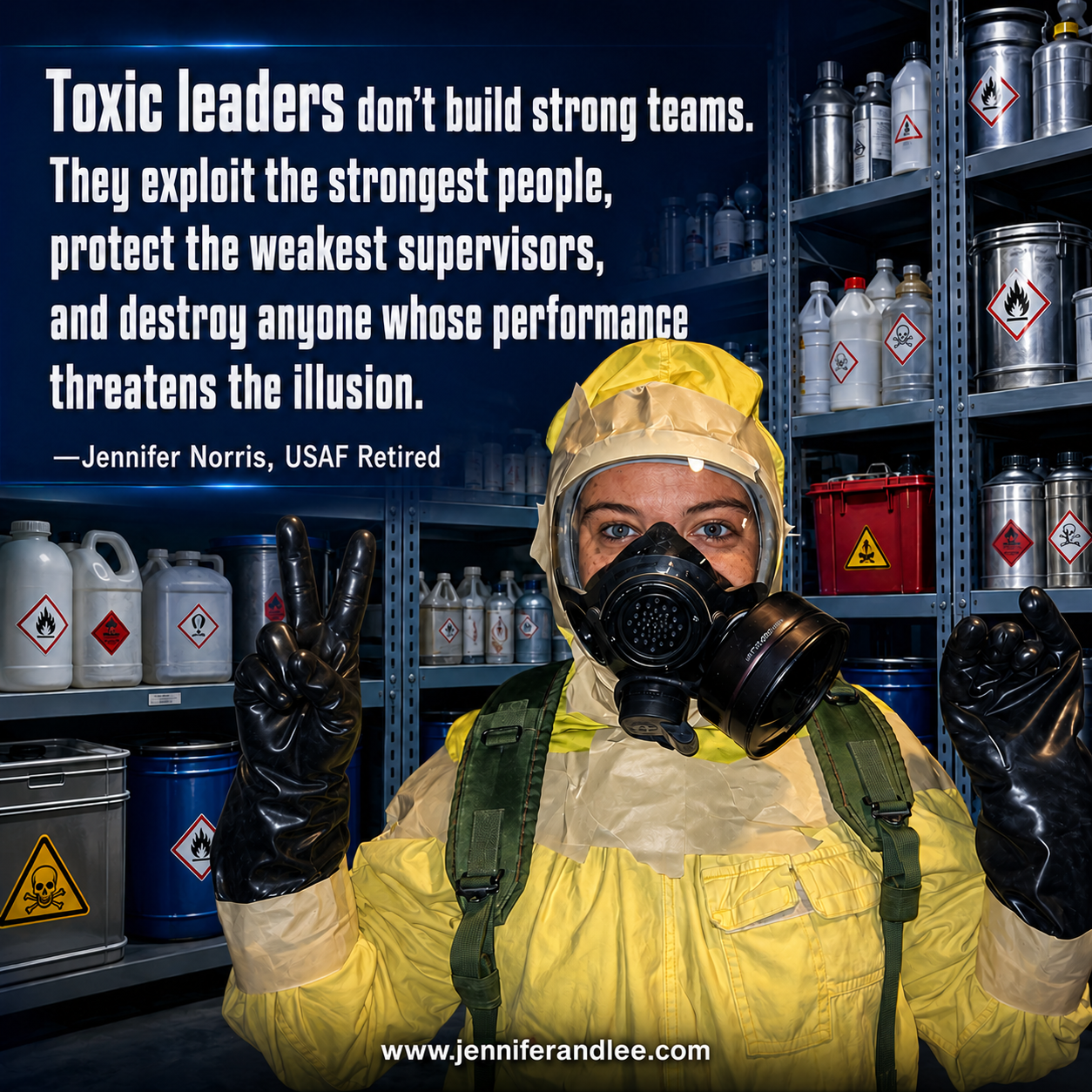
The Emotional Toll of Military Injustice: No Justice, Retaliation,
Zero Healthcare, Toxic Military Leadership, & CPTSD (2010)
My Supervisor Dropped the Ball—Then Benefited From My Work
The Operational Readiness Exercise should have exposed a leadership and preparation failure.
Instead, it was used to make me the problem.
According to the account I sent my commander in 2010, my supervisor routinely dumped work on me while failing to provide the leadership and preparation the mission required. Before the exercise, I worked hard to get our section ready. I attempted to solve a last-minute mapping problem even though I did not have the rank, contacts, or institutional leverage needed to force another office to provide the correct material.
My assigned exercise role was plotter, but we did not have the correct map. Without the correct map, meaningful plotting could not be performed. Rather than sit idle while the exercise unfolded, I used the communications available to coordinate reconnaissance teams, train an augmentee who was serving as recorder and radio operator, track problems, and document what needed to be corrected before the next inspection.
That is what capable Airmen do. We adapt. We identify the mission gap. We keep information moving. We train the person beside us. We document what failed so it can be fixed.
Another supervisor repeatedly interrupted that work and demanded that I perform plotting that could not be done properly without the correct map. When I pushed back and asked him to contribute, he ran out like a little bitch and ratted me out. My direct supervisor stormed in, accepted the other man’s version without asking for mine, backed me in a corner, ordered me to stop the productive work I was doing, and removed me from the position.
Then the two men laughed together while I sat there feeling attacked, rejected, and pushed outside the team.
That moment mattered.
It did not happen to an emotionally blank machine. It happened to a sexual-assault survivor with CPTSD whose earlier military trauma included being overpowered, disbelieved, punished, ostracized, and retaliated against. I felt trapped in a corner with no safe way out. Instead of tossing that room, I went to the bathroom and cried. When the exercise moved into an alarm condition and I had to put on my protective mask, I could not breathe. An inspector recognized that I was in distress, told me to remove the mask, and I was taken for medical care.
The most revealing part came afterward: an inspector reportedly confirmed to medical personnel that I was the person in the group who understood what was happening operationally. I understood it because I had done all the preparation alone.
The collapse was not proof that I lacked competence.
It happened after my competence had been exploited, my warnings had been ignored, and my contribution had been stripped away in favor of protecting rank and ego.
Was It Professional Jealousy, Abuse or Both?
All I can do is describe the pattern I experienced.
He dropped responsibilities onto me. I performed them. My work helped cover the gaps he left behind. During the exercise, I demonstrated operational awareness while people with more authority appeared less prepared. Rather than acknowledge that reality, he accepted a one-sided complaint, shut me down, humiliated me, and reframed my competence and urgency as an “attitude” problem.
That is why I came to view his behavior as professional jealousy and status protection.
Some insecure supervisors love a high performer when that person’s labor makes them look good. The relationship changes when the high performer’s knowledge makes the supervisor’s neglect visible. Suddenly initiative becomes insubordination. Accuracy becomes attitude. Confidence becomes disrespect. The employee who carried the work becomes the threat.
My supervisor benefited from my work, failed to support me, and then helped create a narrative in which my reaction to mistreatment mattered more than the failures that provoked it.
That is not supervision. It is exploitation followed by scapegoating.
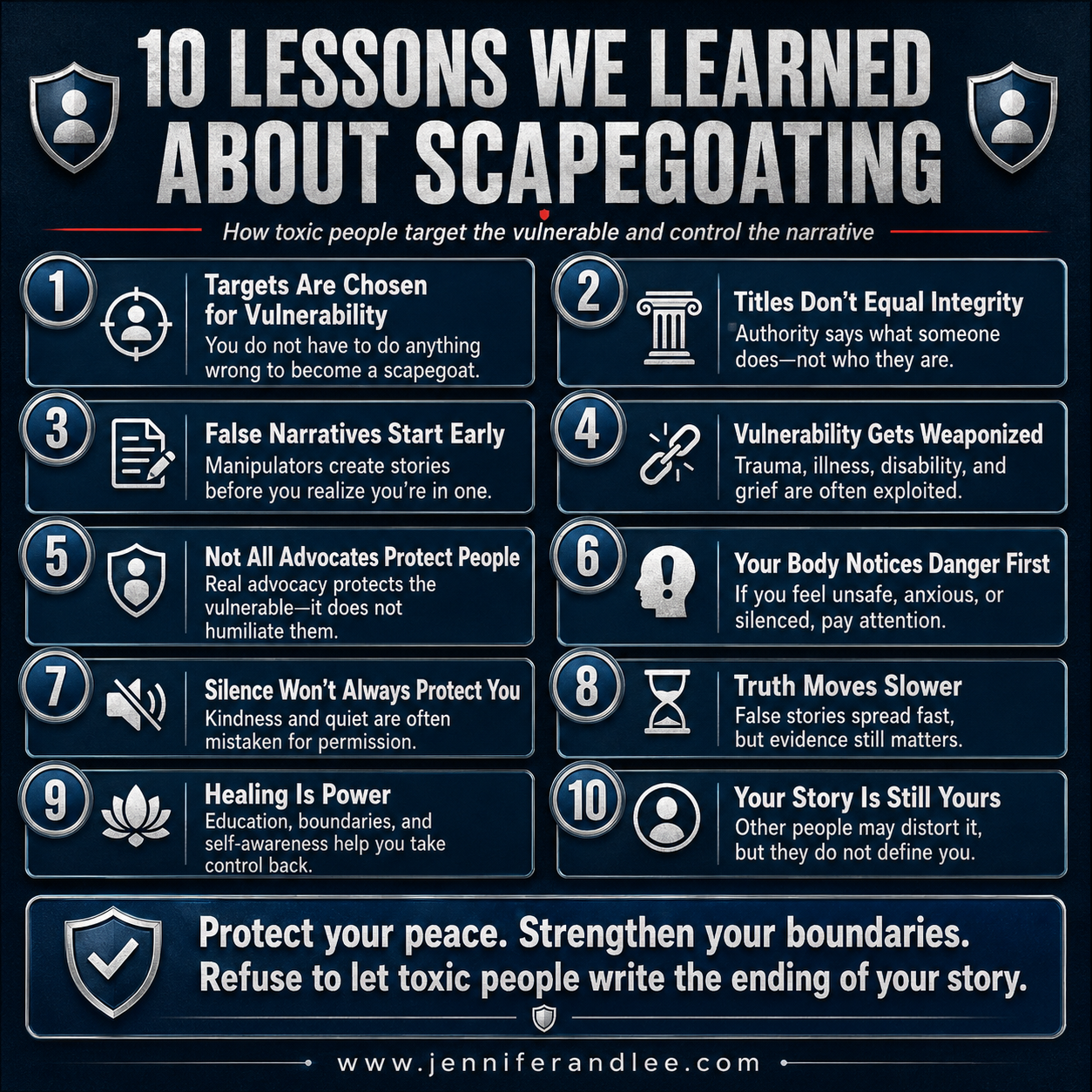
The Commander Had a Choice—and Chose the Easier Narrative
After the exercise, the commander had an opportunity to do his job.
He could have reviewed why the correct maps were unavailable. He could have examined who prepared for the exercise and who did not. He could have interviewed the inspector and medical personnel. He could have asked why a traumatized Airman who had been doing several jobs was publicly overruled, isolated, and removed without anyone first hearing her explanation.
He could have considered the known PTSD and MST context before reducing the event to a character judgment.
Instead, he accepted a narrative that protected the chain of command.
When I finally wrote to explain what had happened, he did not respond to the substance of my account. According to my contemporaneous notes, my attempt to document the truth was later used to portray me as unprofessional. The same leadership that failed to investigate the conditions surrounding my collapse treated the words I used while distressed as more important than the conduct I was describing.
That is how institutional protection works. It does not always require an explicit conspiracy. Sometimes all it requires is for the person with authority to believe the convenient people, ignore the inconvenient facts, and punish the person whose pain threatens the official story.
To say it bluntly: in my view, this commander protected two pieces of shit who mistreated a known MST survivor and helped push her into psychological collapse.
That language is harsh. What happened was harsher.
The two men kept their standing. I lost the career I had fought to preserve through sexual assault, retaliation, stop-loss, grief, illness, and years of working harder than almost everyone around me.
The Medical-Retirement Process Became Another Weapon
The command failure did not end with the exercise.
In the fall of 2009, Lee and I traveled to Dover Air Force Base in connection with our medical-retirement boards. We used the government travel card for official travel and submitted the necessary documentation. Our reimbursement claims were denied, and we did not receive clear, competent help to correct the problem.
What followed was nearly a year of shifting explanations and unresolved paperwork while the government credit-card balance remained unpaid.
We did not have extra money sitting around. Our limited income had to cover the mortgage, food, and support for Lee’s children. We were both deteriorating mentally and physically. Each time we addressed the latest stated problem, another obstacle appeared.
At first, we assumed the system was disorganized and that leadership did not understand how to process a National Guard medical retirement. Eventually, the pattern no longer felt like mere incompetence. It felt punitive.
In April 2010, the commander ordered us to report to him. My response should have stopped any responsible leader in his tracks.
I told him that Lee and I were having frequent PTSD crises. I told him police had become involved three times. I told him we had temporarily separated, that Lee was in Tennessee seeking VA services, that I was receiving intensive treatment through Togus, and that I expected to need hospitalization. I explained that we had no money to fly Lee back and that reporting to the base without him could trigger a panic attack.
That was not an employee refusing an ordinary meeting.
That was a disabled service member describing an unfolding mental-health emergency.
The commander did not respond by asking whether we were safe. He did not ask whether we needed emergency help. He did not take ownership of coordinating the finance, medical, and personnel systems that were running two injured Airmen in circles. He continued to treat us like an inconvenience and a disciplinary problem.
Even if another office technically owned a voucher, a medical board, or a particular administrative action, the commander owned the command climate. He owned his response after being told that two members under his authority were psychologically deteriorating. Rank cannot be used to control people and then disclaimed when those people need protection.
The Department of Defense describes the Disability Evaluation System as the mechanism for deciding whether a service member will return to duty, medically separate, or medically retire. For the injured person inside that system, the process is not an abstract administrative exercise. It determines access to income, health care, benefits, stability, and a safe transition out of service. The Military Health System’s overview explains the purpose of the Disability Evaluation System.
When a commander obstructs, neglects, or weaponizes that transition, the consequences can reach far beyond paperwork.

Jennifer and Lee: Until Death Do Us Part (2024)
We Had to Contact a United States Senator to Get Help From Our Own Air Force
By August 2010, we had reached the point where ordinary channels were not working. We contacted U.S. Senator Olympia Snowe’s office for assistance.
Think about how absurd that is.
Two sick Airmen should not have to seek congressional help because their squadron commander will not ensure that they can navigate a medical retirement, resolve official travel reimbursement, and leave service without being pushed further into crisis.
According to my later formal letter to wing leadership, Senator Snowe’s assistance helped me reach medical retirement in December 2010 after approximately fifteen years of service in the Maine and Massachusetts Air National Guard.
The commander could have been part of a safe, dignified transition.
Instead, he became another obstacle we had to survive.
Toxic Exposure Was the Unseen Multiplier
At the time, PTSD was treated as if it explained everything happening to me.
It did not.
Years later, testing and treatment led us to understand that toxic exposure and heavy-metal toxicity were also part of our health story. I had lived and worked for four years at what is now Joint Base Cape Cod, an EPA Superfund site, while I was stop-lossed. During those years, I experienced vomiting, severe headaches, exhaustion, and worsening physical illness. Later testing identified elevated toxic metals, including lead, antimony, and uranium, and I began treatment for heavy-metal toxicity.
This matters because the symptoms of chronic lead exposure can overlap with symptoms that leaders or clinicians may casually attribute to stress or psychiatric illness. The CDC’s National Institute for Occupational Safety and Health lists headaches, exhaustion, weakness, memory problems, depression, irritability, altered mood or behavior, distraction, forgetfulness, and gastrointestinal symptoms among the possible effects of lead exposure. It also warns that lead poisoning may be missed because its symptoms resemble other illnesses. The CDC/NIOSH lead-exposure guidance is available here.
Trauma, PTSD, toxic exposure, grief, chronic stress, brain injury, and institutional mistreatment can overlap and compound one another. That is precisely the point.
Leadership saw a visibly deteriorating human being and chose punishment over curiosity. The system accepted the simplest stigmatizing explanation while the physical contributors to my decline remained undiagnosed.
I was not merely “too emotional.”
My brain and body were injured, my PTSD was being repeatedly triggered, and the people with authority kept adding pressure.
This Has a Name: Institutional Betrayal
Institutional betrayal occurs when an organization that people depend upon fails to prevent harm, responds inadequately, protects itself or its members, or makes the original injury worse.
That concept fits what I experienced.
The military held extraordinary authority over my employment, income, medical status, reputation, security clearance, retirement, and freedom to leave. I had been taught to follow the chain of command and trust that leaders would act with integrity. When those leaders protected themselves and one another while using my trauma response against me, the injury was larger than a bad interaction with one boss.
It damaged my trust in the institution itself.
Research supports the seriousness of that harm. A peer-reviewed study of 679 women service members and veterans who reported MST found that institutional betrayal was associated with more severe depression and multiple PTSD symptom clusters, including avoidance, re-experiencing, and changes in mood and cognition. The study was published in the Journal of Clinical Psychology.
The VA’s National Center for PTSD also explains that betrayal by leaders or others in positions of power can contribute to moral injury. Moral injury can involve anger, shame, loss of trust, and profound distress when deeply held beliefs about right and wrong are violated. The VA’s overview of moral injury is available here.
In other words, leadership betrayal is not background drama surrounding “real” trauma.
It can become another trauma.
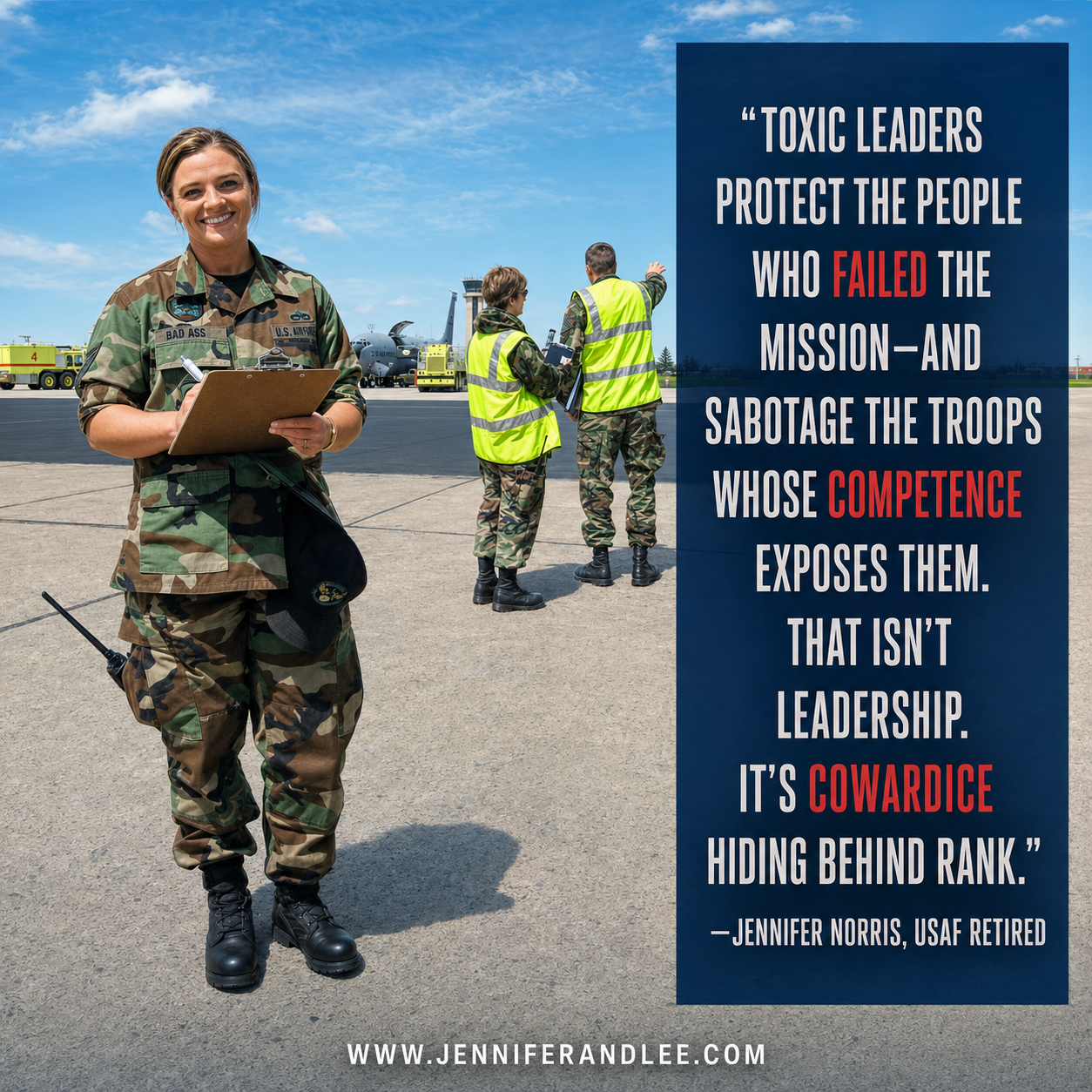
Complex Trauma, Toxic Leadership, and Heavy Metals Poisoning: A Veteran’s Story (September 16, 2015)
Toxic Leadership Is a Mission Failure
The Air Force publicly identifies its core values as Integrity First, Service Before Self, and Excellence in All We Do. Those words appear on the Air Force’s own official website. They are supposed to mean something when applying them is uncomfortable—not only when they fit neatly beneath a recruiting photograph. The Air Force lists its mission and core values here.
Integrity would have required an honest review of why the exercise failed and who was actually prepared.
Service before self would have required leaders to put the welfare of injured Airmen ahead of ego, convenience, budget anxiety, and reputation protection.
Excellence would have required competent help through the medical-retirement and travel-reimbursement processes—not nearly a year of shifting explanations that forced us to seek congressional intervention.
A 2019 Military Review analysis described toxic leadership as a pattern that can include shaming, passive hostility, team sabotage, lack of compassion for subordinates, and behavior that harms the organizational climate. It connected toxic conduct with damaged mental and physical health, turnover, absenteeism, suicide risk, and decreased performance. The author also emphasized that tolerating toxic leaders endangers personnel and the mission. Read “The Cost of Tolerating Toxic Behaviors in the Department of Defense Workplace.”
That is the part image-driven leaders never understand: protecting a failed supervisor is not protecting the mission.
It is sabotaging the mission to protect a person.
The Air Force lost a technically trained, experienced noncommissioned officer who had spent ten years in combat communications, trained other Airmen, maintained deployable capability, and kept working through extraordinary adversity. It also further injured two service members who were already struggling to survive.
That is not readiness.
That is institutional waste dressed in a uniform.
What Responsible Leadership Would Have Looked Like
A responsible commander did not need to agree with every word I said or excuse every reaction I had. Accountability and compassion are not opposites.
Responsible leadership would have:
- recognized my collapse as a health and safety event, not a convenient disciplinary narrative;
- heard all witnesses before accepting the supervisors’ version;
- investigated the missing maps, workload distribution, exercise preparation, and command failures;
- protected an MST survivor from further humiliation and retaliation;
- connected both Lee and me with appropriate medical, crisis, personnel, and financial support;
- assigned a competent point of contact to help us complete the medical-retirement and travel-reimbursement requirements;
- suspended punitive demands once informed that reporting could trigger a crisis;
- checked whether we were safe after learning that police had been involved and hospitalization was expected; and
- corrected the official record instead of using my distressed attempt to explain the truth as evidence against me.
That would not have been favoritism.
It would have been leadership.
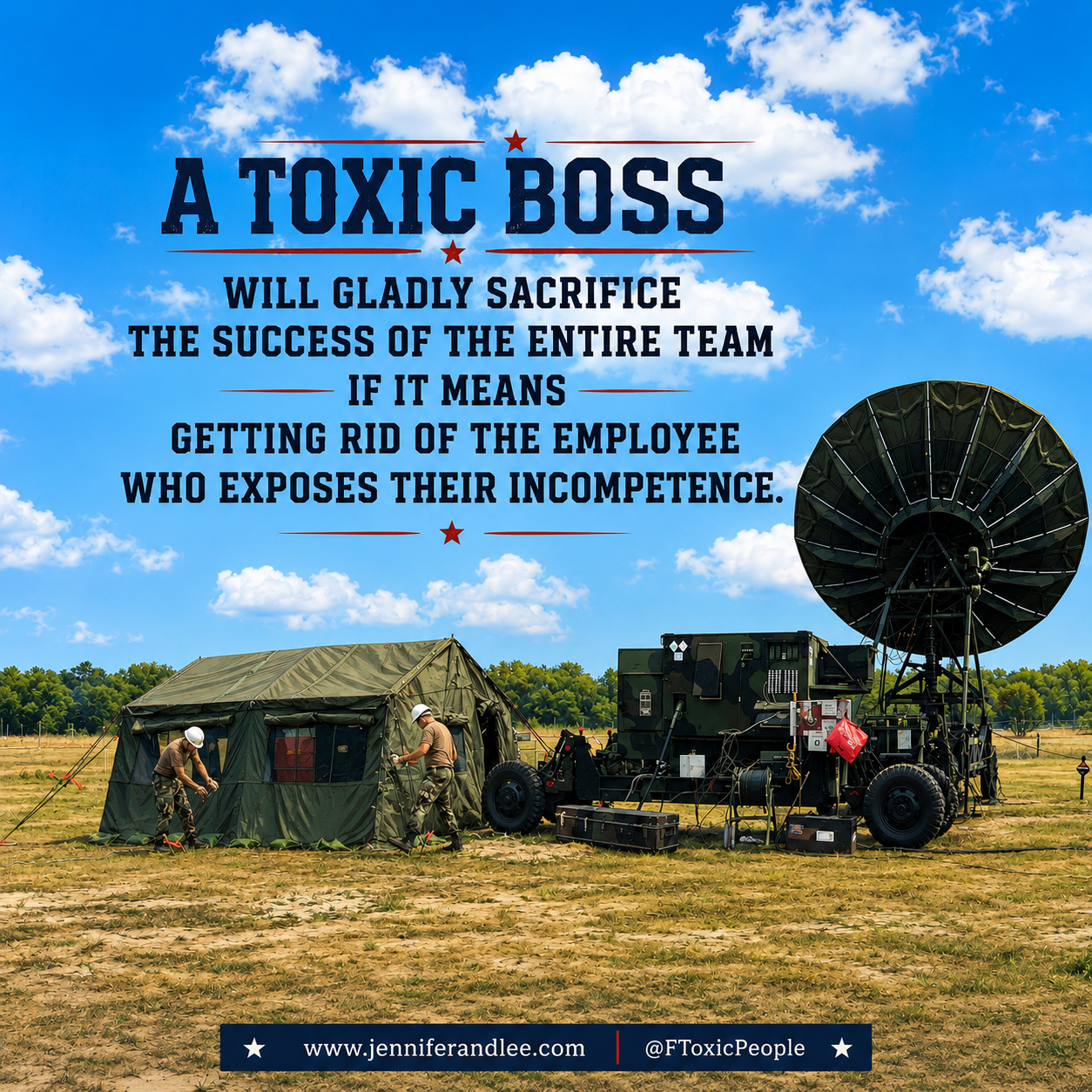
After Lead Poisoning Symptoms Dismissed by PTSD Diagnosis, It Results in
Brain Inflammation, Fatigue, Muscle Weakness, Digestion Issues & Chronic Pain (2024)
Our Psychological Collapse Did Not Excuse Their Conduct—It Exposed It
These “leaders” looked at the end result and judged us without examining what came before it.
They saw anxiety, anger, withdrawal, desperation, hospitalization, financial problems, and two careers ending. They did not see the assaults, retaliation, stop-loss, grief, toxic exposure, chronic illness, parental alienation, administrative obstruction, and leadership betrayal stacked beneath those outcomes.
They treated the collapse as proof that we were the problem.
I see it differently now.
Our collapse exposed what happens when injured people are repeatedly denied safety, dignity, competent care, and a path out. It showed what can happen when a supervisor exploits a hard worker, becomes threatened when the competence exposes his failures, and retaliates through status and narrative. It showed what can happen when a commander protects the hierarchy instead of investigating the truth.
The commander did not merely fail to rescue us from an unrelated crisis. His decisions became part of the crisis.
I cannot prove the exact motives but I can show the sequence. I can show what leadership knew. I can show what I wrote while it was happening. I can show that the pressure continued after explicit warnings. I can show that we eventually needed a U.S. senator’s intervention.
And I can show the human cost.
We were not weak Airmen.
We were wounded Airmen who kept trying to perform while the people above us failed their duties.
We were not asking to escape accountability.
We were asking the people with authority to accept some of their own.
The emails outlived their titles. The documentation outlived their narrative. And the story they tried to reduce to an “attitude problem” now has a name:
Toxic leadership. Institutional betrayal. Moral injury. Preventable harm.
They thought my psychological collapse would erase what happened.
Instead, I documented it.
And now the record speaks for itself.
Sources and Further Reading
JenniferAndLee.com: Firsthand Accounts and Contemporaneous Records
- Jennifer Norris, “The Emotional Toll of Military Injustice: No Justice, Retaliation, Zero Healthcare, Toxic Military Leadership, & CPTSD”, April 6, 2010; later editorial commentary added.
- Jennifer Norris, “Workplace Betrayal & Ostracism: A Letter to the Commander Explaining How Toxic Military Leaders Negatively Impact CPTSD”, August 4, 2010.
- Jennifer Norris, “Formal Letter to 101st Air Refueling Wing Leadership After Psychological Collapse on Active Duty Orders & Medical Retirement”, July 29, 2011.
- Jennifer Norris, “Complex Trauma, Toxic Leadership, and Heavy Metals Poisoning: A Veteran’s Story”, September 16, 2015; updated August 11, 2026.
- Jennifer Norris, “‘I Just Want to Disappear’: The End Result of a Lifetime of Dehumanization and Abuse”, February 5, 2024; updated July 31, 2026.
- Jennifer Norris, “Dear Mass Air National Guard, You Poisoned Me With Lead… But You Already Knew That”, July 17, 2025.
- Jennifer Norris and Lee Norris, “19 Years Later: Love Didn’t Save Us… It Gave Us the Strength to Save Ourselves”, July 4, 2026.
Government and Research Sources
- U.S. Department of Veterans Affairs, National Center for PTSD, “Military Sexual Trauma”.
- U.S. Department of Veterans Affairs, National Center for PTSD, “Moral Injury”.
- Andresen, F. J., Monteith, L. L., Kugler, J., Cruz, R. A., and Blais, R. K., “Institutional Betrayal Following Military Sexual Trauma Is Associated With More Severe Depression and Specific Posttraumatic Stress Disorder Symptom Clusters”, Journal of Clinical Psychology, 75(7), 1305–1319 (2019).
- Centers for Disease Control and Prevention, National Institute for Occupational Safety and Health, “Symptoms of Lead Exposure”, April 11, 2024.
- Military Health System, “Disability Evaluation System”.
- U.S. Air Force, “About Us: Mission and Core Values”.
- Williams, Kenneth R., “The Cost of Tolerating Toxic Behaviors in the Department of Defense Workplace”, Military Review, July–August 2019. The article notes that its views are the author’s and not official Department of Defense policy.


3 thoughts on “Toxic Air Force Leadership, CPTSD, and Institutional Betrayal: How a Squadron Commander Failed Two Vulnerable Airmen (August 13, 2026)”