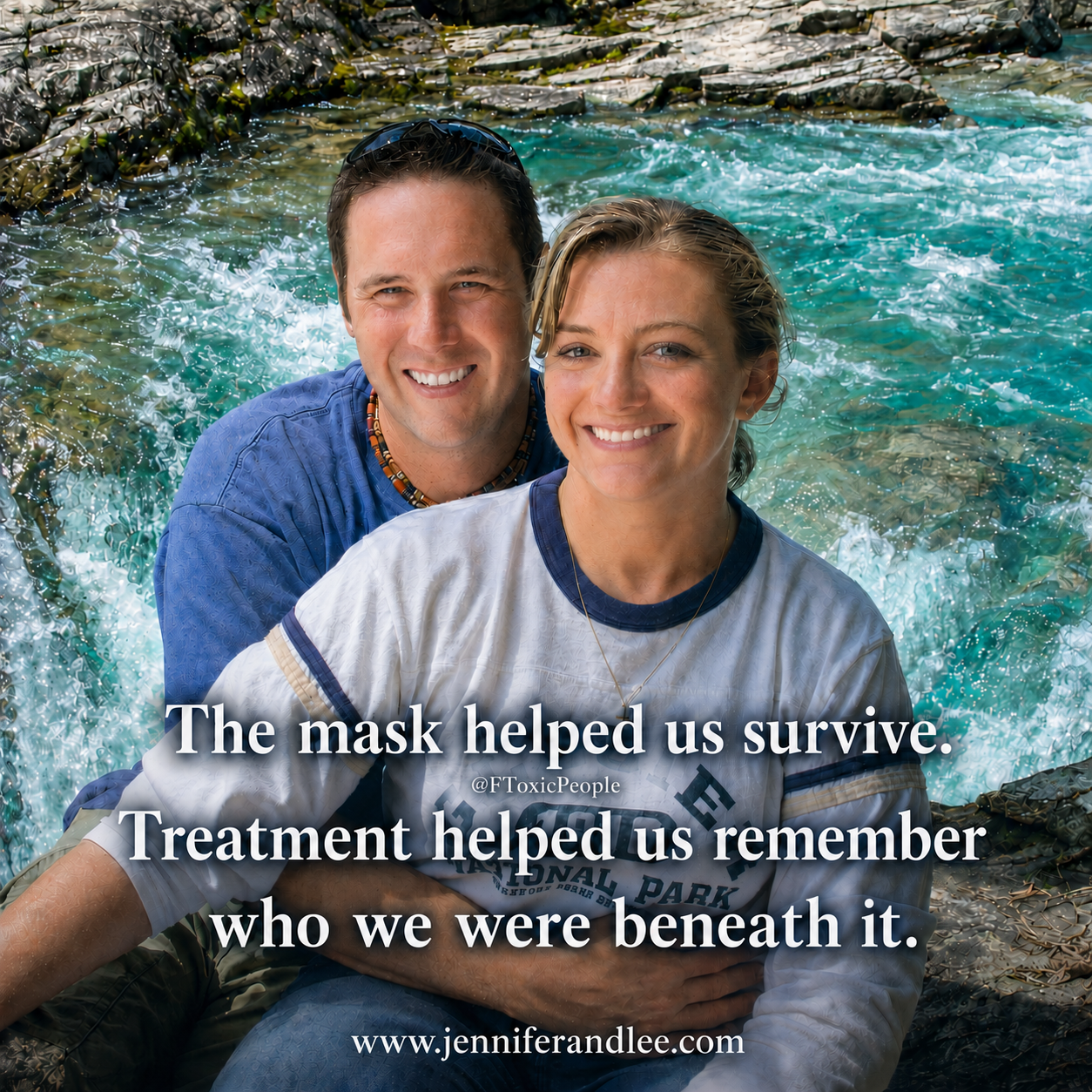
Jennifer and Lee: Until Death Do Us Part (2024)
Please Hear What I’m Not Saying
Charles C. Finn
Don’t be fooled by me.
Don’t be fooled by the face I wear
For I wear a mask. I wear a thousand masks—
masks that I’m afraid to take off
and none of them are me.
Pretending is an art that’s second nature with me
But don’t be fooled, for God’s sake, don’t be fooled.
I give you the impression that I’m secure
That all is sunny and unruffled with me
within as well as without,
that confidence is my name
and coolness my game,
that the water’s calm
and I’m in command,
and that I need no one.
But don’t believe me. Please!
My surface may be smooth but my surface is my mask,
My ever-varying and ever-concealing mask.
Beneath lies, no smugness, no complacence.
Beneath dwells the real me in confusion, in fear, in aloneness.
But I hide this.
I don’t want anybody to know it.
I panic at the thought of my weaknesses
and fear exposing them.
That’s why I frantically create my masks to hide behind.
But I don’t tell you this.
I don’t dare.
I’m afraid to.
I’m afraid you’ll think less of me, that you’ll laugh
and your laugh would kill me.
I’m afraid that deep-down I’m nothing, that I’m just no good
and you will see this
and reject me.
I idly chatter to you in suave tones of surface talk.
I tell you everything that’s nothing
and nothing of what’s everything, of what’s crying within me.
So when I’m going through my routine
do not be fooled by what I’m saying.
Please listen carefully and try to hear
what I’m not saying.
Hear what I’d like to say
but what I cannot say.
It will not be easy for you,
long felt inadequacies make my defenses strong.
The nearer you approach me
the blinder I may strike back.
Despite what books say of men, I am irrational;
I fight against the very thing that I cry out for.
You wonder who I am,
you shouldn’t
for I am every man
and every woman
who wears a mask.
Don’t be fooled by me.
At least not by the face I wear.
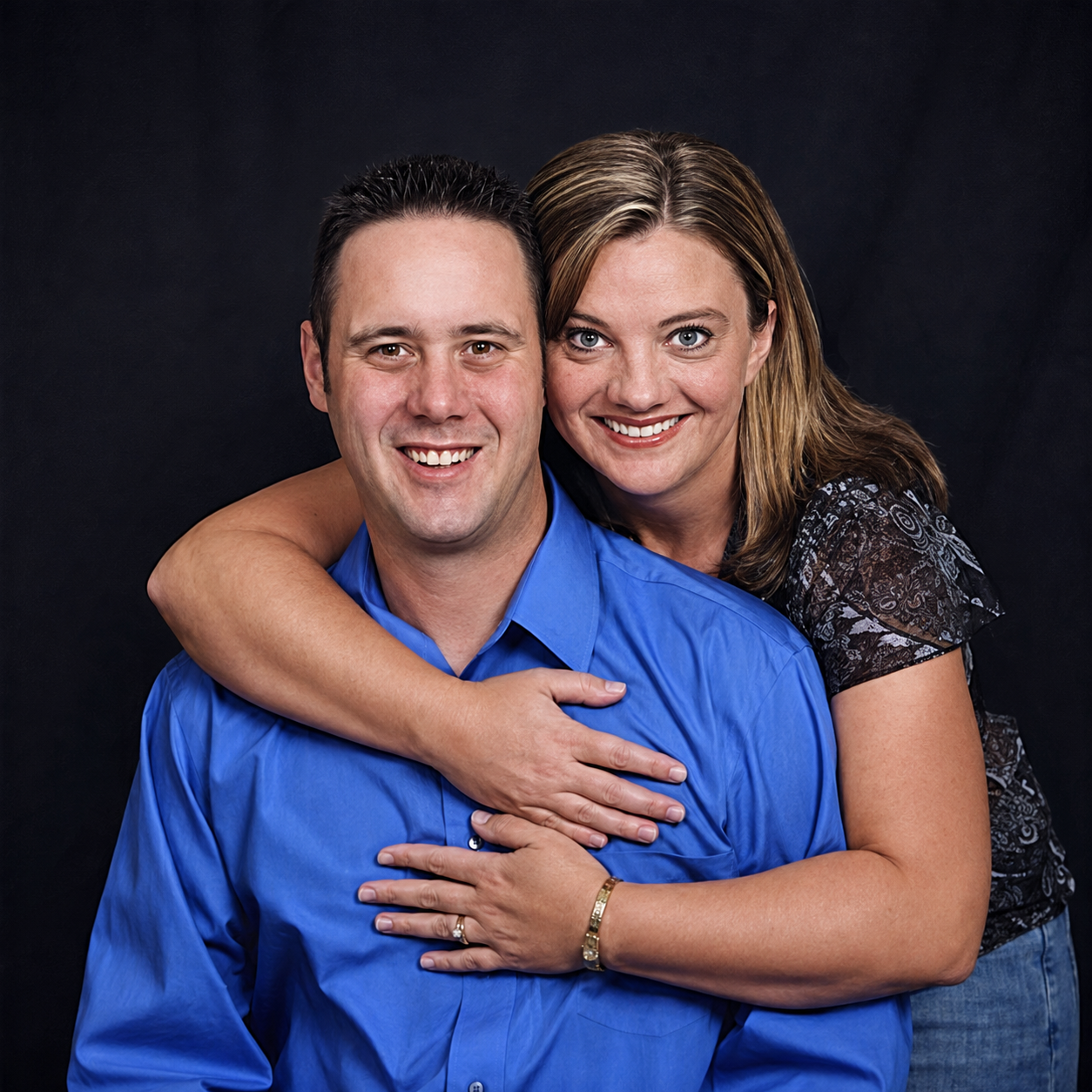
Some people wear masks to deceive others.
Some people wear masks because life taught them that showing pain was dangerous.
For years, we appeared stronger and more confident than we actually felt. We smiled when we were hurting. We said we were fine when our bodies and minds were overwhelmed. We tried to remain dependable, capable and composed while privately struggling with brain injuries, chronic illness, trauma and a profound loss of self.
We were doing what many traumatized people learn to do: survive in public and fall apart in private.
That is why the poem commonly circulated as The Mask I Wear affected us so deeply. The poem is an adapted version of Charles C. Finn’s Please Hear What I’m Not Saying, written in 1966. Its message has endured because it describes something profoundly human: the distance that can exist between the face a person shows the world and the pain they carry underneath it.[1]
We used to live in that distance. With treatment, we are finally finding our way back to ourselves.
A Mask Is Not Always a Lie
When people hear the word “mask,” they may think of dishonesty or manipulation. But emotional masking can also be a form of protection. A person may conceal fear, sadness, confusion or vulnerability because previous attempts to express those feelings were dismissed, mocked, punished or used against them.
The mask may look like:
- smiling while feeling emotionally numb;
- making jokes to keep people from asking serious questions;
- overworking to prove you are still capable;
- appearing fiercely independent because asking for help has never felt safe;
- saying “I’m fine” because explaining the truth feels impossible;
- withdrawing from others to avoid judgment, conflict or further harm; or
- becoming a perfectionist because mistakes once brought criticism or punishment.
These behaviors are not limited to people with a formal mental-health diagnosis. Parents, veterans, caregivers, abuse survivors, medical patients, first responders, employees and people living with chronic pain may all learn to perform “okay” because the world continues to expect something from them.
Research on expressive suppression—the effort to inhibit the outward display of emotion—has associated habitual suppression with poorer interpersonal functioning and lower well-being. Longitudinal research has also found social costs, including weaker connections and reduced support.[2][3] Concealing emotion may help someone get through a difficult moment, but living behind that protection indefinitely can become lonely and exhausting.
What the Mask Looked Like in Our Lives
We were both accustomed to being responsible, hardworking and self-sufficient. We served in the Air Force. We handled difficult assignments, cared for other people and pushed ourselves long after our bodies were telling us to stop.
From the outside, that determination could look like strength. Inside our home, however, the truth was very different.
We were living with untreated or inadequately treated brain injuries, trauma and serious physical-health problems. Lee emotionally checked out for years while I slowly declined until I could barely function. Our brains were overwhelmed. Our nervous systems were dysregulated. We became isolated, frightened and increasingly unsure of ourselves.
We did not suddenly become weak or incapable people. We were injured people trying to function without an accurate understanding of what was happening to us.
Brain injuries can affect far more than memory. The Centers for Disease Control and Prevention explains that traumatic brain injury symptoms can affect how a person thinks, feels, acts and sleeps. Problems may include brain fog, difficulty concentrating, fatigue, anxiety, irritability, sadness and sleep disruption.[4] When symptoms interfere with communication, judgment and emotional regulation, a capable person may begin to feel as if they can no longer trust their own mind.
Trauma can deepen that uncertainty. The National Institute of Mental Health notes that people may experience anxiety, anger, sadness, difficulty concentrating, sleep problems, avoidance, emotional numbness and persistent negative thoughts after trauma.[5] Those reactions are not character flaws. They are signs that a person’s mind and body have been carrying more than they were designed to carry alone.
Trauma Can Steal Confidence Without Changing Your Character
Confidence is often treated like a personality trait: either you have it or you do not. Our experience taught us something different.
Confidence depends, in part, on being able to trust your memory, perception, body and decisions. When brain injuries make thinking difficult, trauma keeps the body braced for danger and other people repeatedly dismiss what you are experiencing, self-trust can slowly disappear.
You begin second-guessing ordinary decisions. You rehearse conversations before they happen. You apologize for needing help. You become afraid of being misunderstood. You may stop speaking altogether because silence feels safer than being judged while vulnerable.
That silence can be misinterpreted. People may assume the quiet person has nothing to say, the isolated person does not care, the exhausted person is lazy or the anxious person is unstable. In reality, the person may be using every bit of available energy simply to get through the day.
This is one reason a trauma-informed response matters. The Substance Abuse and Mental Health Services Administration describes trauma as something that can have lasting adverse effects on a person’s functioning and well-being. Trauma-informed care recognizes those effects and seeks to respond without creating additional harm.[6]
Sometimes the most helpful question is not, “What is wrong with you?” It is, “What happened to you—and what do you need to feel safe enough to heal?”
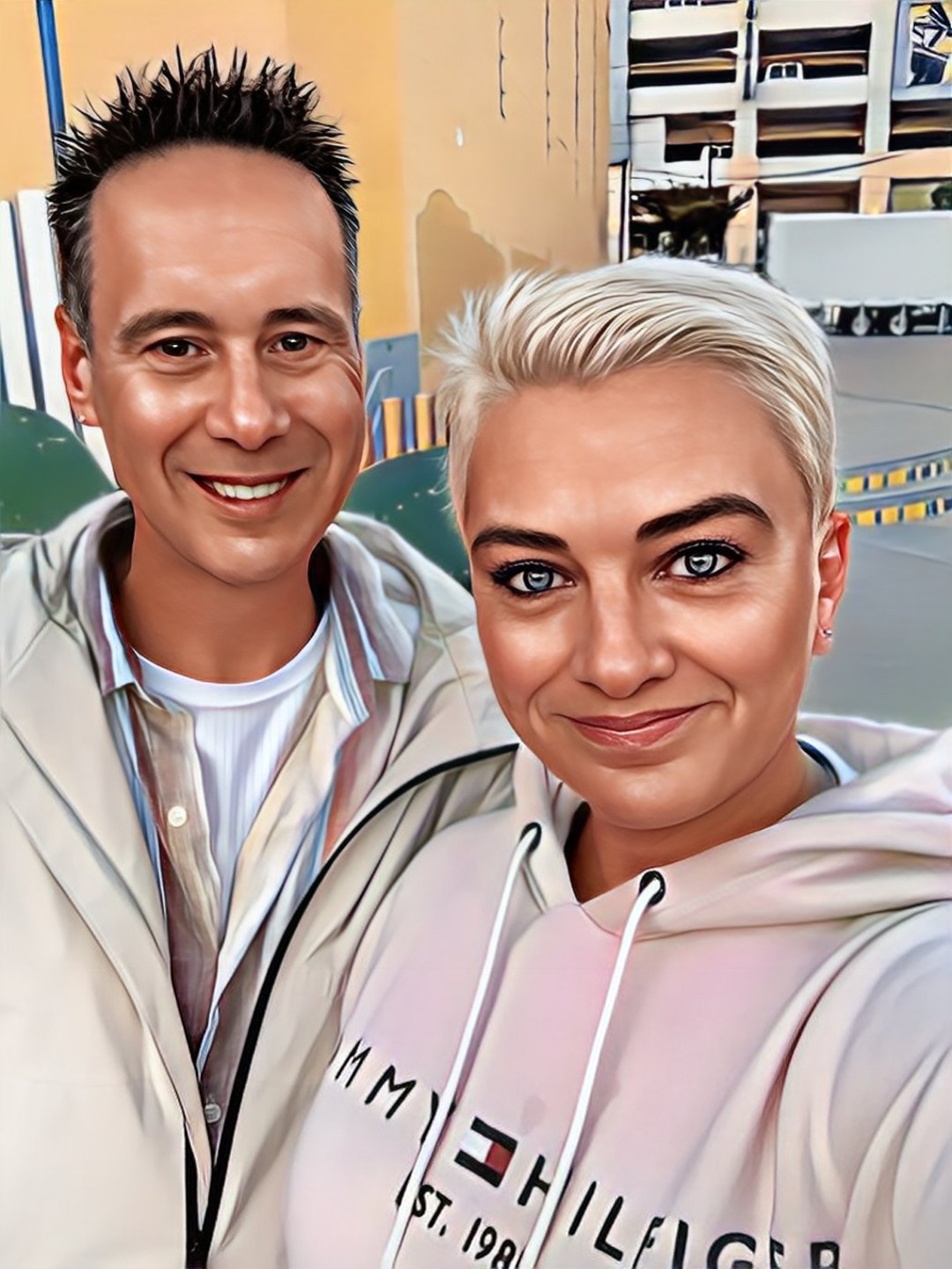
Treatment Did Not Create New People—It Helped Us Return to Ourselves
For a long time, we thought our disappearing confidence proved that we were permanently broken. It did not. We needed appropriate treatment for the injuries, illnesses and trauma affecting us.
Our recovery has involved comprehensive medical care, identifying and treating underlying physical problems, addressing sleep and neurological symptoms, and receiving trauma-focused treatment. It has not been quick or linear. There have been setbacks, difficult days and layers of damage that took time to understand.
But as our treatment progressed, something remarkable happened: our minds began to clear.
We could think more clearly. We could recognize unhealthy behavior sooner. We could make decisions without immediately doubting ourselves. We began trusting our perceptions again. The voices of people who had defined us, dismissed us or distorted our story gradually became quieter than our own.
Trauma-focused psychotherapies can be effective for PTSD. The U.S. Department of Veterans Affairs identifies Prolonged Exposure, Cognitive Processing Therapy and Eye Movement Desensitization and Reprocessing as highly recommended treatments with strong evidence bases. EMDR, one treatment that has been part of our healing journey, helps people process traumatic memories and develop more adaptive beliefs about themselves.[7][8]
No single treatment is right for everyone, and recovery should be guided by qualified medical and mental-health professionals. Our point is not that healing follows one formula. Our point is that the right treatment can change what feels permanent.
Millions of People Are Quietly Wearing a Mask
The person sitting beside you may be using every ounce of strength to appear normal.
It may be the coworker who never misses a deadline but cries in the car before walking into the office. It may be the parent who keeps everyone else going while privately feeling empty. It may be the veteran who looks calm but has not felt safe in years. It may be the funny friend who changes the subject whenever the conversation becomes personal. It may be the chronic-illness patient who has become skilled at smiling through pain because nobody wants to hear that the answer is still “not well.”
This does not mean we should diagnose everyone around us or force people to disclose private pain. It means we should leave room for the possibility that we do not know the whole story.
We can listen without immediately correcting. We can believe people when they say they are struggling. We can stop treating vulnerability like incompetence. We can check on the dependable people, too. We can ask “How are you really doing?” and make it safe for the answer to be honest.
We No Longer Need the Same Masks
There was a time when the mask helped us survive. It allowed us to keep moving when we did not yet have the safety, language or medical answers needed to explain what was happening.
We care for the people we were during those years. We understand them now.
They were injured. They were overwhelmed. They were trying to protect what remained of themselves until help finally arrived.
Treatment did not erase our history, and it did not make every symptom disappear. What it gave us was a path back to clarity and self-trust. We slowly recovered the confidence that trauma, illness and years of being misunderstood had buried.
Today, we are learning to live without constantly performing strength. We can acknowledge the pain and still recognize our progress. We can tell our story without asking permission from the people who benefited from our silence. We can be both vulnerable and powerful.
Most importantly, we know who we are again.
If you recognize yourself in these words, please remember this: the mask you created to survive is not your identity. The frightened, exhausted or confused person underneath it is not defective. You may be carrying injuries and experiences that deserve care rather than judgment.
Healing may take time. It may require more than one kind of treatment. It may begin with something as small as telling one safe person the truth.
But confidence can return. Self-trust can be rebuilt. The person you were before survival mode may still be there—and the person emerging from it may be even more grounded, discerning and free.
We are living proof that what trauma buries does not have to remain buried forever.
Related Stories
- “I Just Want to Disappear”: The End Result of a Lifetime of Dehumanization and Abuse
- Jennifer and Lee: Until Death Do Us Part
References and Further Reading
- Finn, Charles C. Please Hear What I’m Not Saying, September 1966.
- Gross, J. J., & John, O. P. “Individual Differences in Two Emotion Regulation Processes: Implications for Affect, Relationships, and Well-Being.” Journal of Personality and Social Psychology, 2003.
- Srivastava, S., Tamir, M., McGonigal, K. M., John, O. P., & Gross, J. J. “The Social Costs of Emotional Suppression: A Prospective Study of the Transition to College.” Journal of Personality and Social Psychology, 2009.
- Centers for Disease Control and Prevention. Symptoms of Mild TBI and Concussion.
- National Institute of Mental Health. Post-Traumatic Stress Disorder.
- Substance Abuse and Mental Health Services Administration. Trauma and Violence: What Is Trauma and Its Effects?.
- U.S. Department of Veterans Affairs, National Center for PTSD. Overview of Psychotherapy for PTSD.
- U.S. Department of Veterans Affairs, National Center for PTSD. Eye Movement Desensitization and Reprocessing for PTSD.
Medical note: This article shares personal experience and general educational information. It is not medical advice and is not a substitute for evaluation or treatment by qualified health professionals.


2 thoughts on “The Masks Trauma Made Us Wear: How Treatment Helped Us Find Our Confidence Again (August 8, 2026)”