#1 Prioritize Quality Sleep:
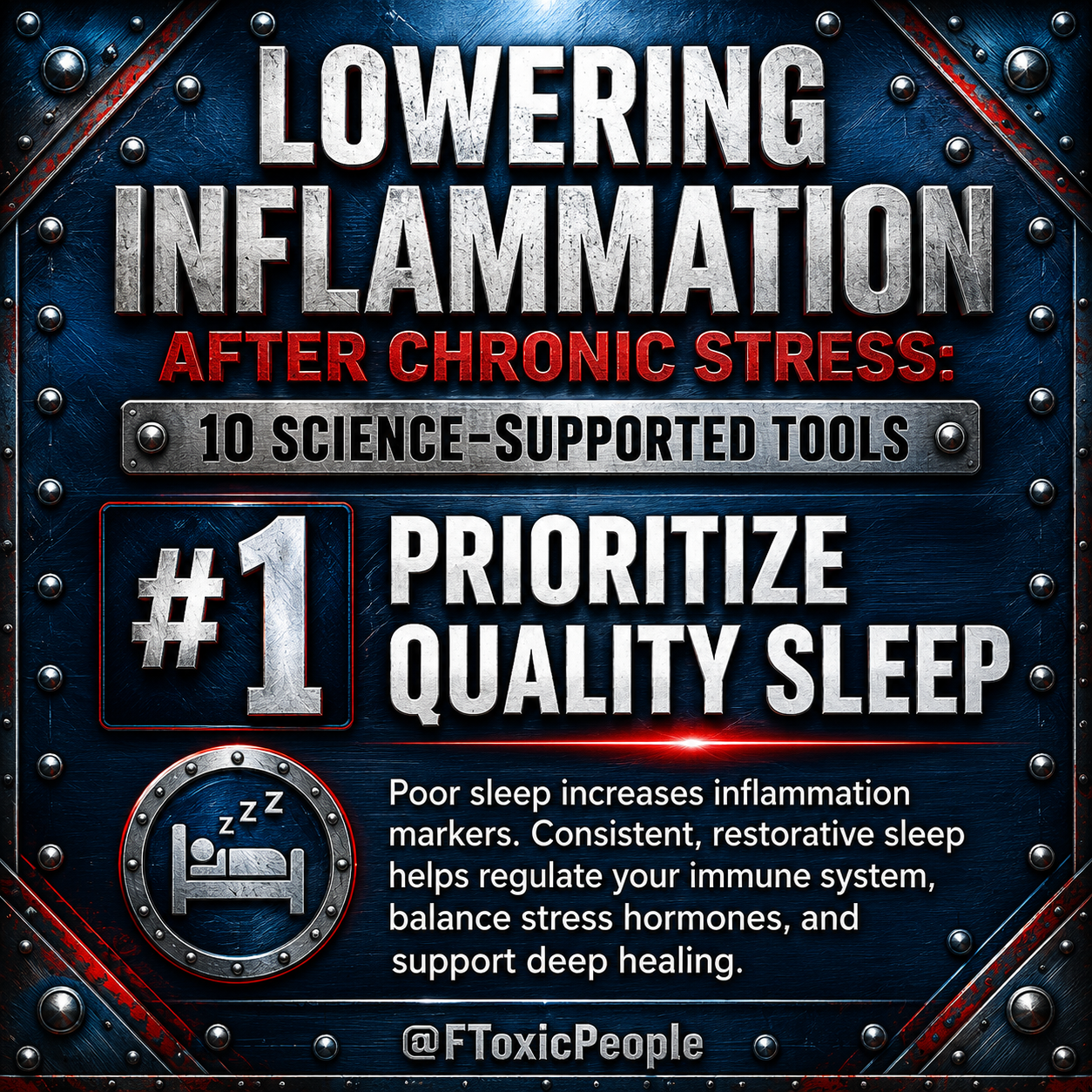
🧠💙 Trauma can teach your body that sleep isn’t safe.
When you’ve lived in survival mode for years, your nervous system doesn’t simply “turn off” because you’re tired. It stays on guard, scanning for danger—even when you’re finally safe.
The good news? Your brain and body can learn a new pattern.
🌙 Keep a consistent bedtime.
📵 Put screens away before bed.
🧘 Practice slow breathing or meditation.
🌡️ Keep your room cool and dark.
☀️ Get morning sunlight to reset your internal clock.
🚶 Move your body during the day.
❤️ Be patient with yourself. Healing isn’t weakness—it’s rewiring.
Every night you practice safety, you’re teaching your nervous system that it no longer has to stand watch.
Recovery doesn’t happen overnight.
But one peaceful night can become two… then ten… then a new normal.
#2 Eat Anti-Inflammatory Whole Foods:
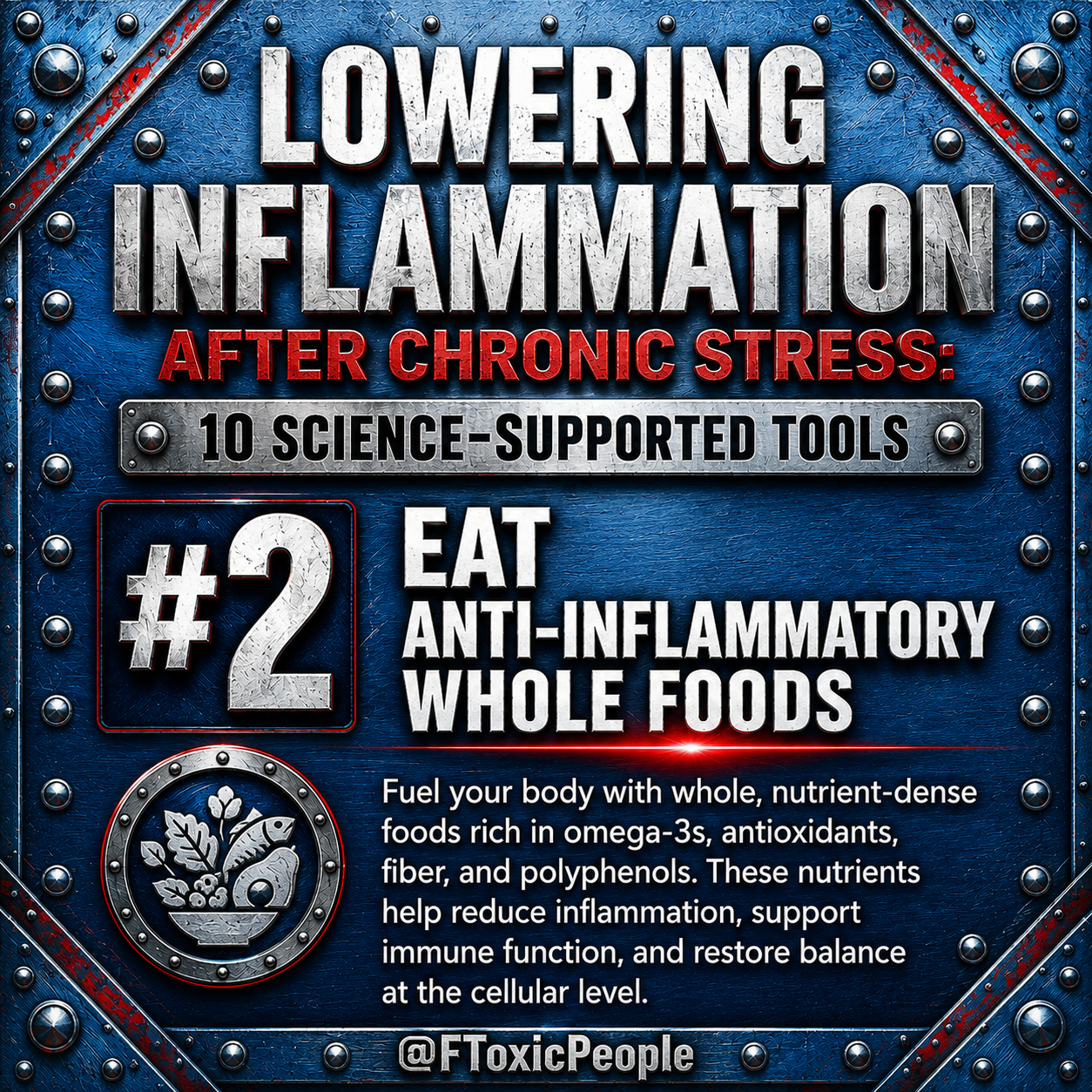
🥑🫐 Your brain can’t heal on a steady diet of inflammation.
Chronic stress changes more than your thoughts—it changes your biology. One of the most powerful ways to fight back is with what you put on your plate.
🍓 Colorful fruits & vegetables
🐟 Omega-3 rich foods
🥬 Leafy greens
🥜 Healthy fats
🌰 Nuts & seeds
Every anti-inflammatory meal is a message to your body: “We’re safe. It’s time to heal.” Small choices, repeated consistently, can help calm an overactive nervous system and support your recovery from the inside out.
#3 Move Your Body Every Day:
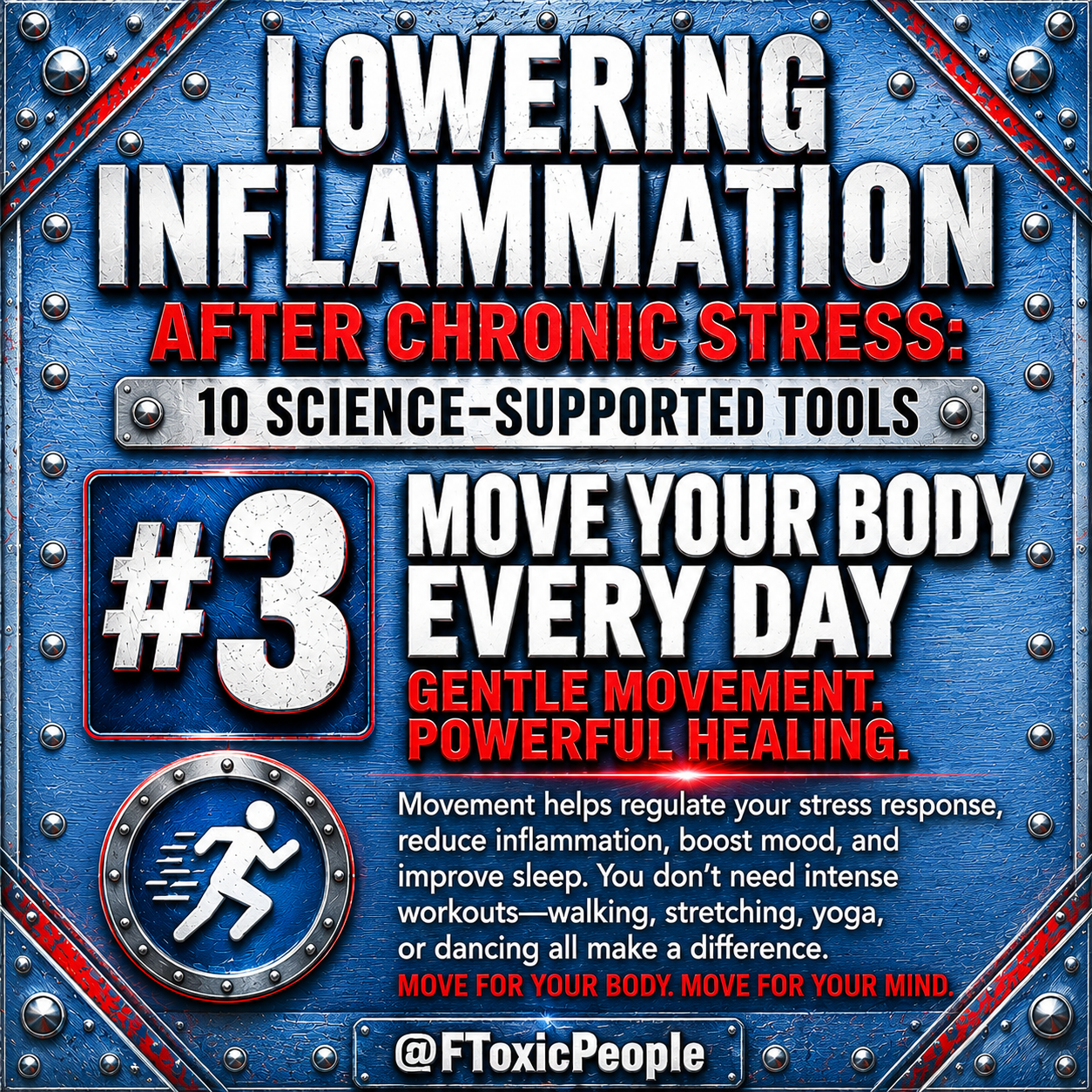
🚶♀️💙 You don’t have to crush a workout to lower inflammation.
After chronic stress or trauma, your nervous system often needs gentle movement—not punishment.
🚶 Walk.
🧘 Stretch.
🚴 Ride a bike.
🌊 Take a beach stroll.
💃 Dance in your kitchen.
Every step tells your brain, “I’m safe. My body is strong. I can heal.” Consistent movement helps reduce inflammation, improve sleep, regulate stress hormones, and support both brain and body recovery.
Healing isn’t about going harder. It’s about moving forward. One step at a time. 💪✨
#4 Manage Stress On Purpose:
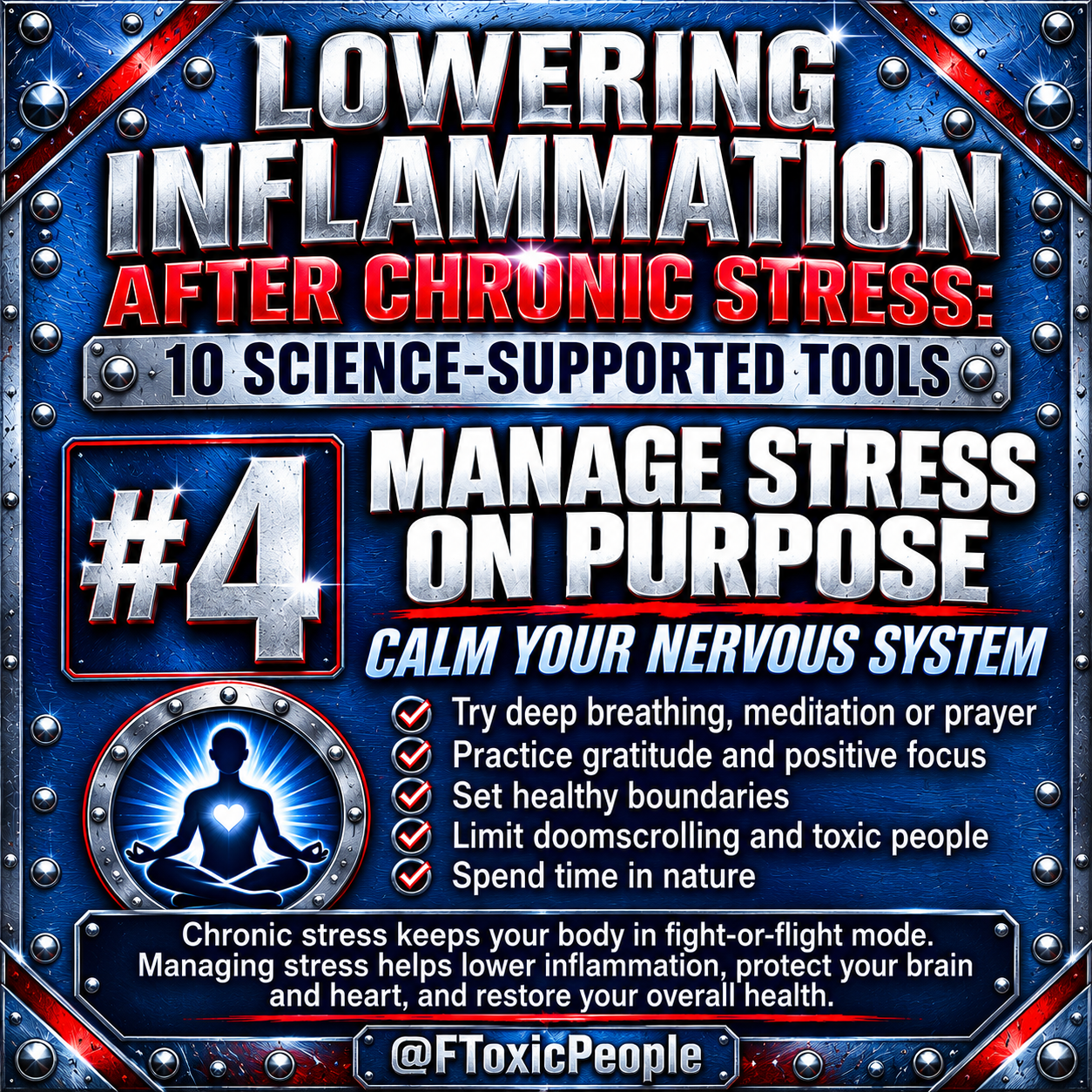
🧠 Your body wasn’t designed to live in fight-or-flight forever.
Chronic stress can keep inflammation high long after the danger has passed. The good news? Your nervous system can learn that it’s safe again.
🌿 Breathe.
🙏 Pray.
🧘 Meditate.
🚶 Get outside.
❤️ Protect your peace.
Healing isn’t about doing everything at once—it’s about giving your body consistent signals that the crisis is over.
#5 Stay Hydrated. Water Heals:
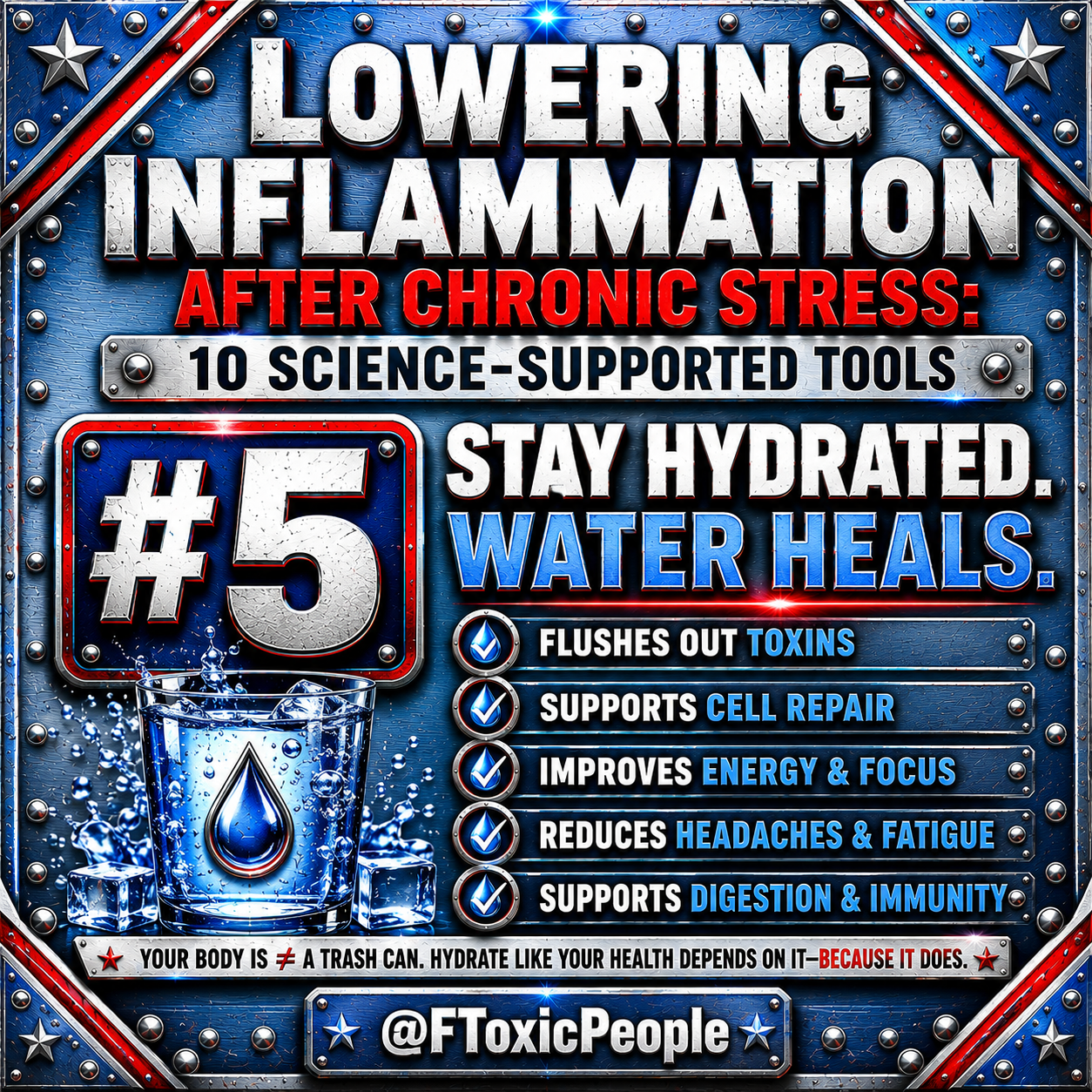
💧 Your body can’t flush out stress without enough water.
Even mild dehydration can increase fatigue, headaches, and make it harder for your body to recover from chronic stress. Hydration supports your brain, nervous system, and helps reduce inflammation—one sip at a time. 🚰💙
#6 Omega-3s Nature’s Anti-Inflammatory:
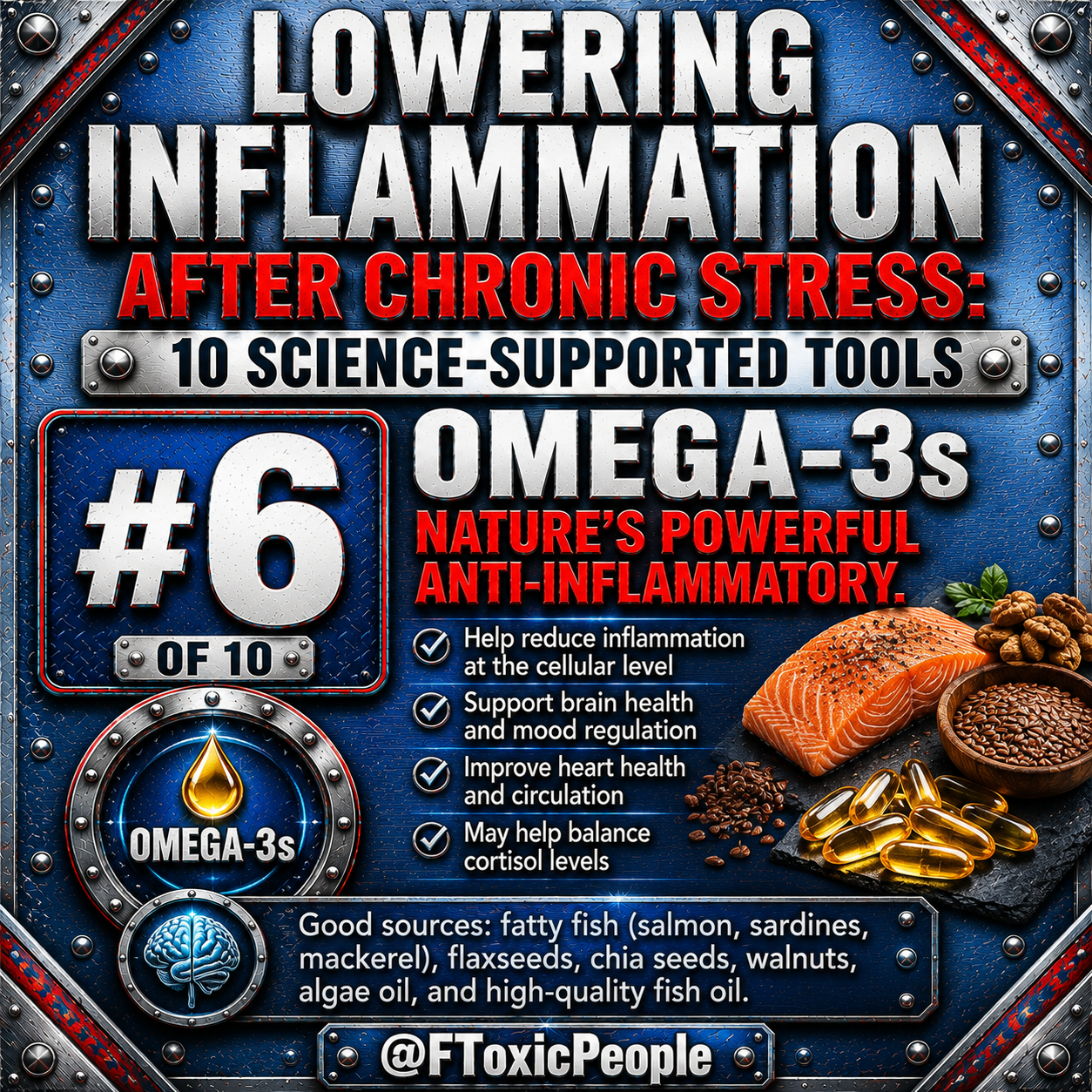
🐟🧠 Omega-3s are one of nature’s most powerful anti-inflammatory nutrients.
When chronic stress keeps your body inflamed, omega-3s can help calm the fire from the inside out. They support your brain, heart, nervous system, and may even help regulate stress hormones.
🥗 Think salmon, sardines, walnuts, chia seeds, flaxseed, or a high-quality fish oil.
Small daily choices can lead to big long-term healing. 💙
#7 Infrared Sauna. Heat that Heals:
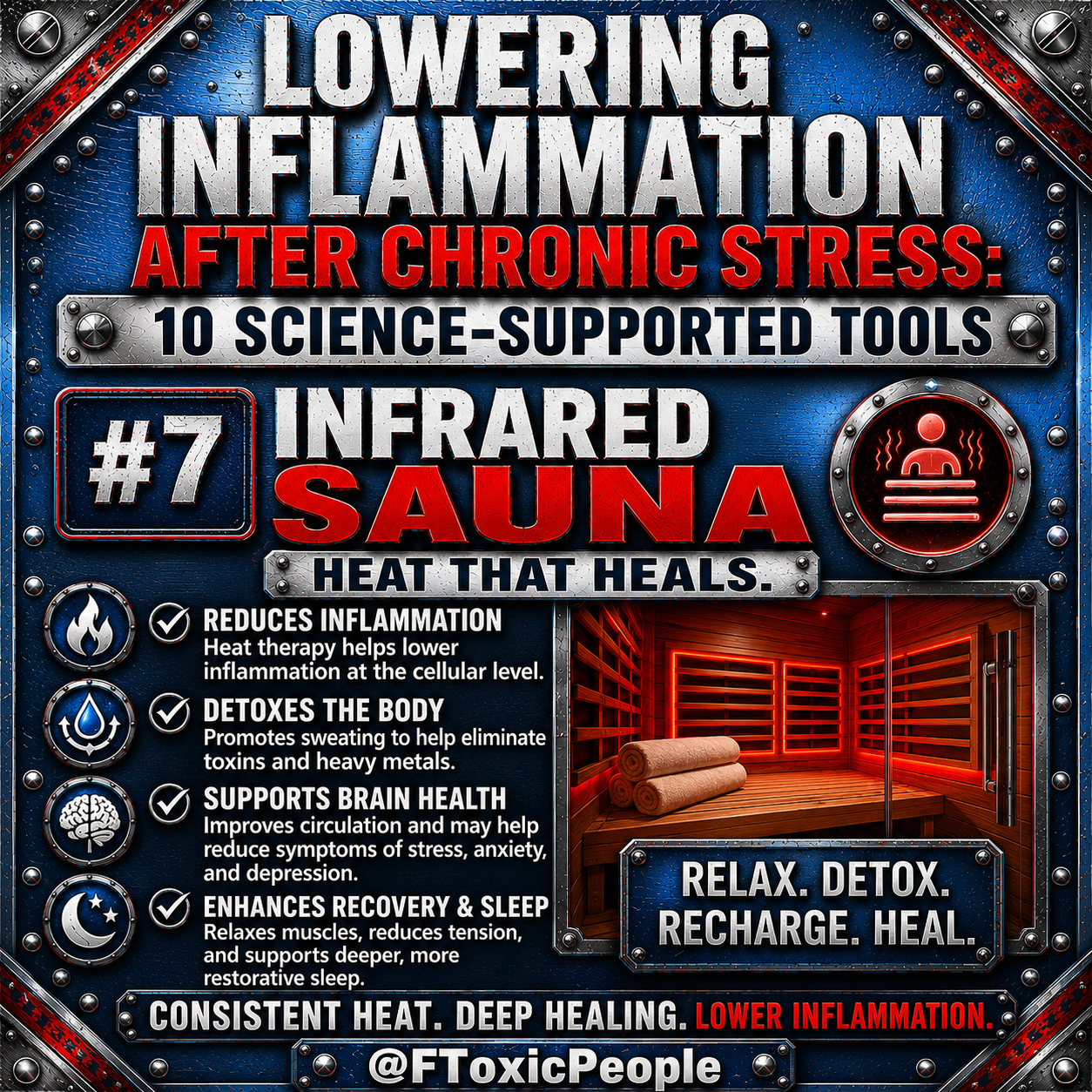
🔥🧖♀️ Infrared Sauna
One of the tools I use personally is infrared sauna therapy—3 times a week. It was prescribed as part of my recovery to help mobilize toxins so my body can eliminate them more effectively. Sweating also supports the body’s natural detoxification processes and may help reduce the burden on the kidneys while supporting recovery.
For me, it’s become more than relaxation—it’s another step toward healing after years of chronic stress and toxic exposures. 💙
⚠️ Always talk with your healthcare provider before starting infrared sauna therapy, especially if you have underlying medical conditions.
#8 Meditation Will Calm Your Mind:
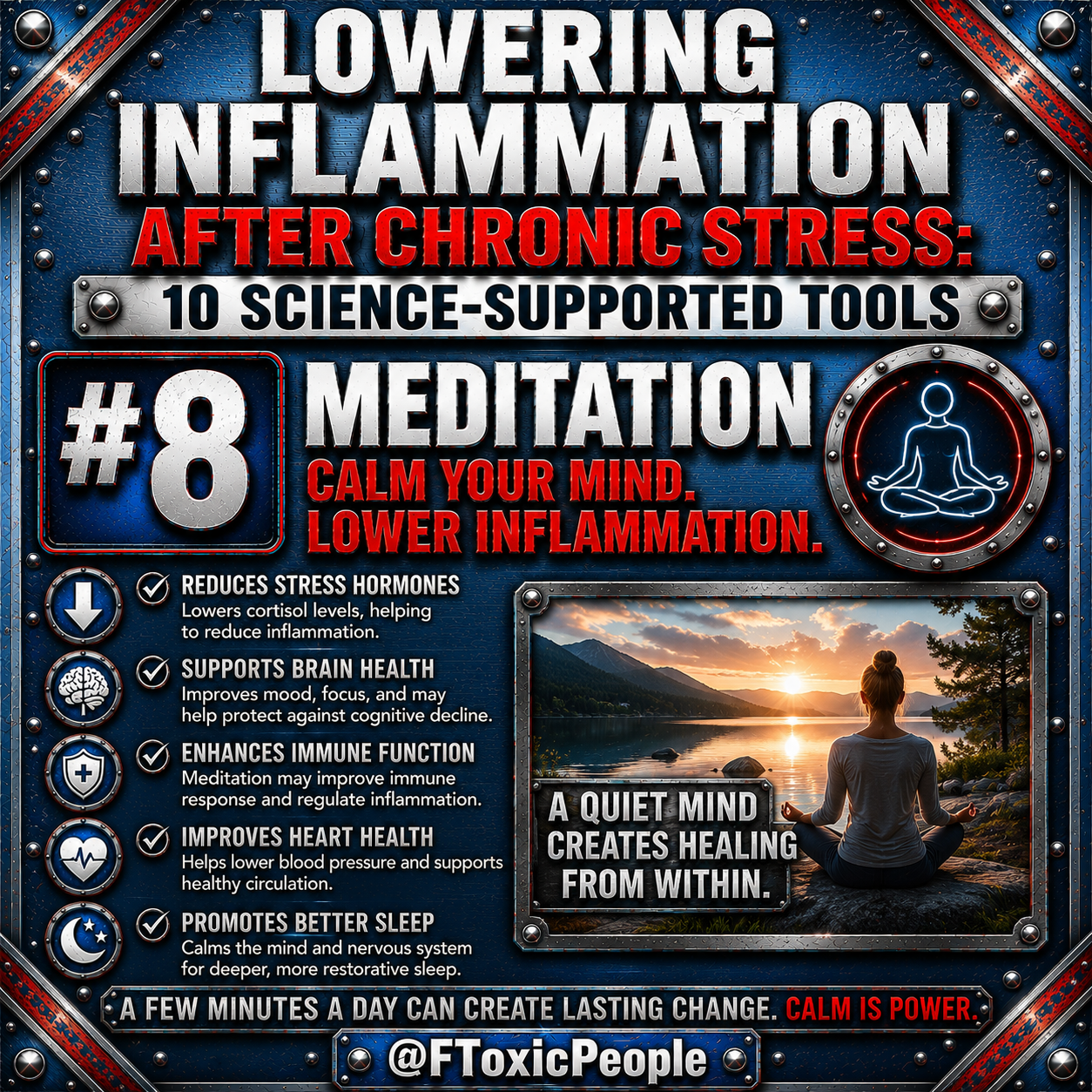
🧘♀️💙 Sometimes the most powerful medicine is simply being still.
Just a few minutes of meditation each day can help calm your nervous system, lower stress hormones like cortisol, improve sleep, and support your brain and immune system. When your mind feels safer, your body often begins to heal too.
Take a deep breath. Inhale peace. Exhale stress. 🌿✨
#9 Social Connection – Stronger Together:
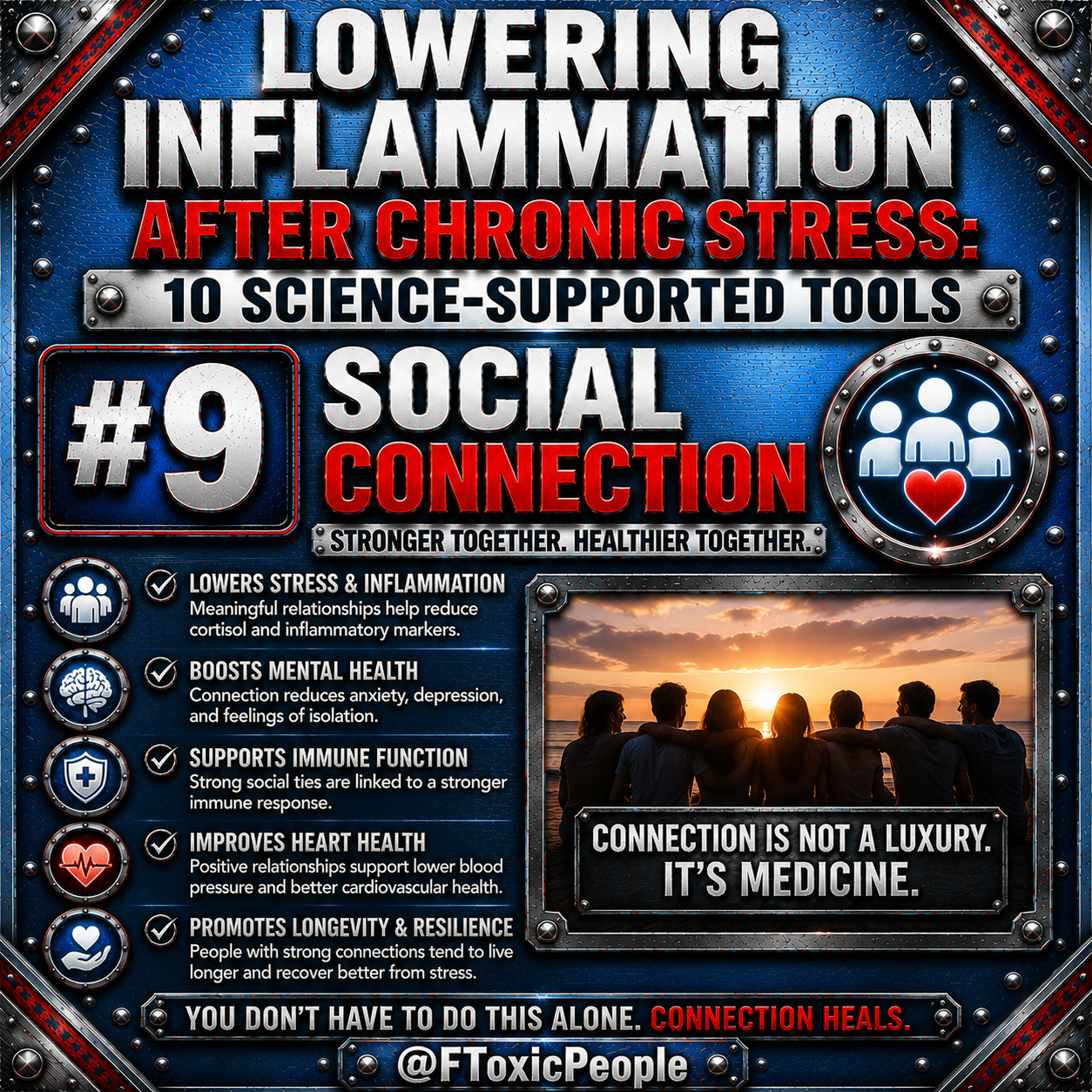
🤝❤️ Healing doesn’t happen in isolation.
Chronic stress and trauma can make us want to withdraw, but safe, supportive relationships help calm the nervous system, lower stress hormones, and even reduce inflammation.
Quality matters more than quantity. One genuine connection can make a world of difference. 🌿
Choose people who bring you peace—not chaos.
#10 Time Away from Toxic Environments:
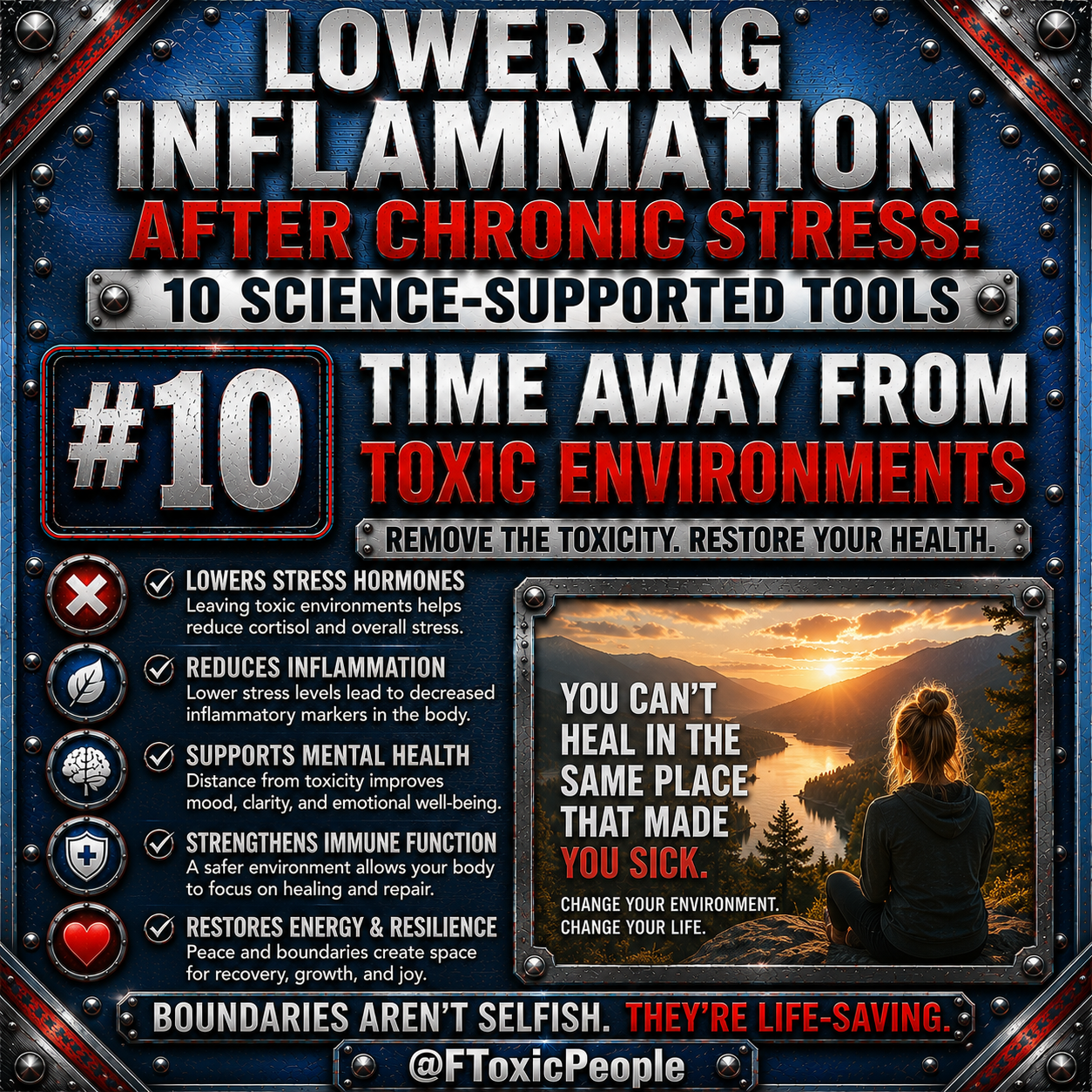
🌿❤️ Sometimes the best medicine isn’t another prescription—it’s a different environment.
You can’t heal while your mind and body are constantly preparing for the next attack. Creating distance from toxic people, unhealthy workplaces, or abusive relationships allows your nervous system to calm, inflammation to decrease, and healing to begin.
Protecting your peace isn’t selfish. It’s healthcare. 💙
Bonus Protip – Strength Training:
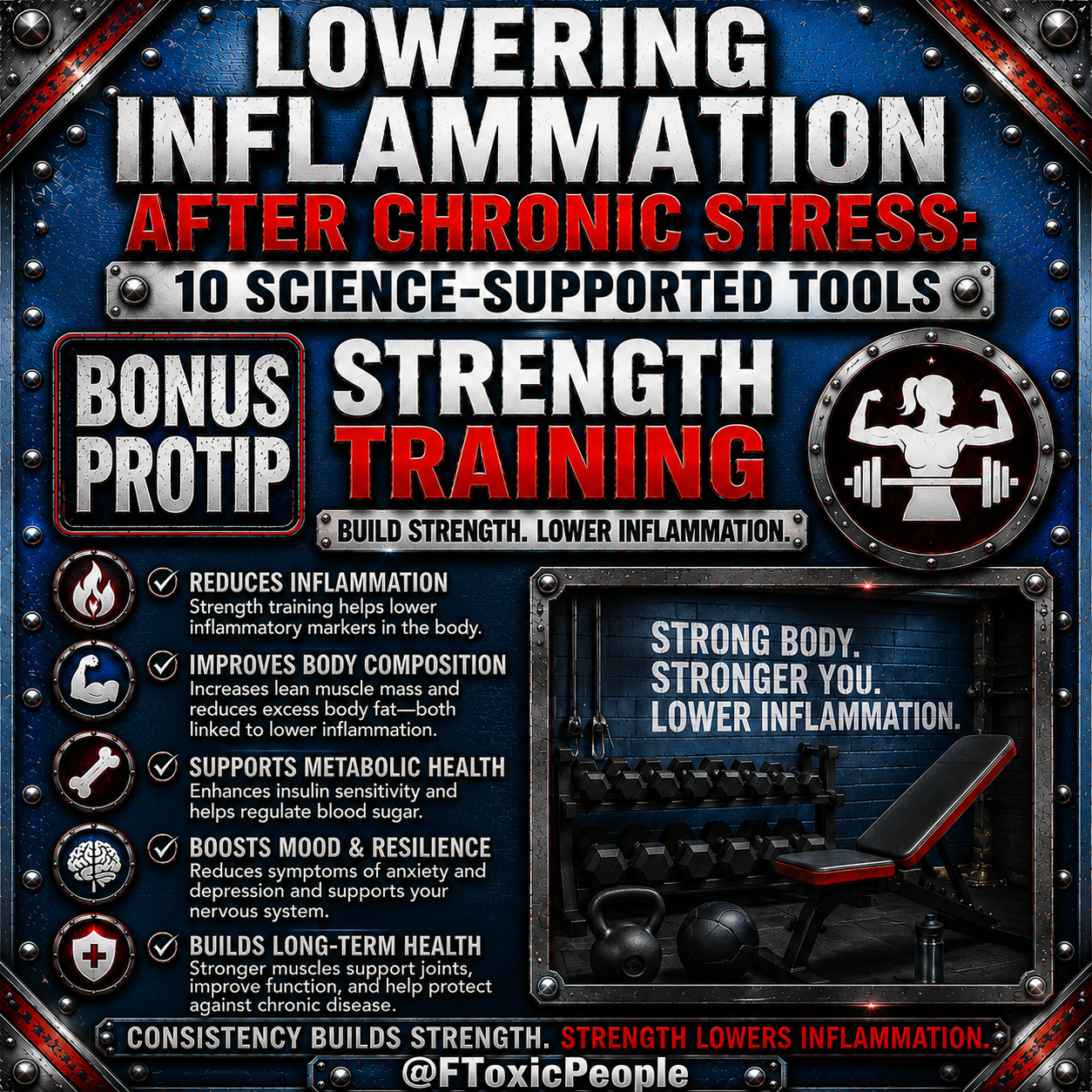
🏋️♀️💪 Strength is medicine.
Building muscle isn’t just about looking stronger—it’s about becoming healthier from the inside out. Strength training helps reduce inflammation, improves insulin sensitivity, supports your brain, strengthens your bones, and builds resilience after chronic stress.
Start where you are. Lift what you can. Stay consistent. Your future self will thank you. 🔥🧠❤️
Chronic Stress & Inflammation
- National Institutes of Health (NIH) – Stress and Your Health
https://newsinhealth.nih.gov/2020/03/stress-effect-your-body - National Center for Biotechnology Information (NCBI) – Stress Effects on the Body
https://www.ncbi.nlm.nih.gov/books/NBK279298/ - American Psychological Association – Stress and the Body
https://www.apa.org/topics/stress/body - Nature Reviews Immunology – Neuroimmune Mechanisms of Stress
https://www.nature.com/articles/s41577-019-0185-8 - StatPearls (NCBI) – Inflammation
https://www.ncbi.nlm.nih.gov/books/NBK493173/ - Harvard Health Publishing – Understanding the Inflammatory Response
https://www.health.harvard.edu/staying-healthy/understanding-the-inflammatory-response
Trauma & Toxic Stress
- Centers for Disease Control and Prevention – Adverse Childhood Experiences (ACEs)
https://www.cdc.gov/aces/ - American Psychological Association – Trauma
https://www.apa.org/topics/trauma - National Institute of Neurological Disorders and Stroke – Traumatic Stress Disorders
https://www.ninds.nih.gov/health-information/disorders/traumatic-stress-disorders - World Health Organization – Mental Health
https://www.who.int/news-room/fact-sheets/detail/mental-health-strengthening-our-response
Sleep
- Sleep Foundation
https://www.sleepfoundation.org - National Heart, Lung, and Blood Institute – Sleep Deprivation and Deficiency
https://www.nhlbi.nih.gov/health/sleep-deprivation - Mayo Clinic – Sleep Tips
https://www.mayoclinic.org/healthy-lifestyle/adult-health/in-depth/sleep
Anti-Inflammatory Nutrition
- Harvard T.H. Chan School of Public Health – The Nutrition Source: Anti-Inflammatory Diet
https://www.hsph.harvard.edu/nutritionsource/anti-inflammatory-diet/ - American Heart Association – Healthy Eating
https://www.heart.org - Mayo Clinic – Healthy Lifestyle Nutrition
https://www.mayoclinic.org/healthy-lifestyle/nutrition-and-healthy-eating
Hydration
- Centers for Disease Control and Prevention – Water and Healthier Drinks
https://www.cdc.gov/healthyweight/healthy_eating/water-and-healthier-drinks.html - Mayo Clinic – Water: How Much Should You Drink?
https://www.mayoclinic.org/healthy-lifestyle/nutrition-and-healthy-eating/in-depth/water/art-20044256
Omega-3 Fatty Acids
- NIH Office of Dietary Supplements – Omega-3 Fatty Acids Fact Sheet
https://ods.od.nih.gov/factsheets/Omega3FattyAcids-HealthProfessional/ - American Heart Association – Why Omega-3s Are Good for You
https://www.heart.org/en/healthy-living/healthy-eating/eat-smart/fats/why-omega-3s-are-good-for-you
Exercise & Strength Training
- Centers for Disease Control and Prevention – Physical Activity Basics
https://www.cdc.gov/physicalactivity/ - U.S. Department of Health and Human Services – Physical Activity Guidelines
https://health.gov/moveyourway - Johns Hopkins Medicine – The Benefits of Strength Training
https://www.hopkinsmedicine.org/health/wellness-and-prevention/the-benefits-of-strength-training - National Institute on Aging – Exercise and Physical Activity
https://www.nia.nih.gov/health/exercise-physical-activity
Meditation & Mindfulness
- National Center for Complementary and Integrative Health – Meditation and Mindfulness: Effectiveness and Safety
https://www.nccih.nih.gov/health/meditation-and-mindfulness-effectiveness-and-safety - American Psychological Association – Meditation and Mindfulness
https://www.apa.org/topics/mindfulness/meditation
Social Connection
- Holt-Lunstad J, Smith TB, Layton JB. Social Relationships and Mortality Risk: A Meta-analytic Review.
https://www.ncbi.nlm.nih.gov/pmc/articles/PMC3150158/ - House JS, Landis KR, Umberson D. Social Relationships and Health.
https://www.ncbi.nlm.nih.gov/pmc/articles/PMC1361287/
Sauna Therapy
- Cleveland Clinic – Infrared Sauna: Benefits and Risks
https://my.clevelandclinic.org/health/treatments/23129-infrared-sauna - Laukkanen T, Laukkanen JA, Kunutsor SK. The Health Benefits of Sauna Bathing.
https://www.ncbi.nlm.nih.gov/pmc/articles/PMC5941775/

 Jennifer and Lee