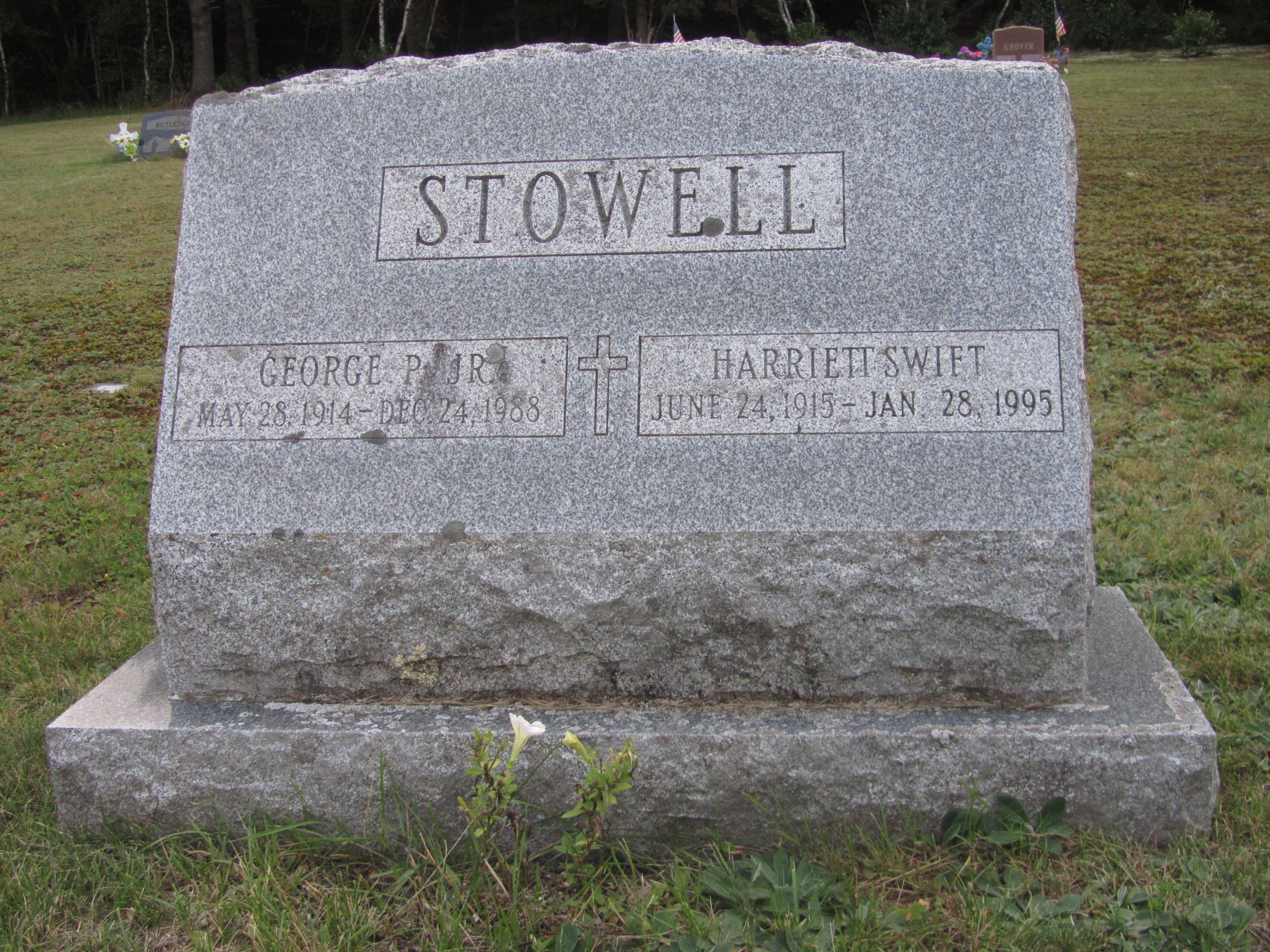
At thirty, you think you still have time.
Time to ask more questions. Time to sit a little longer at the kitchen table. Time to notice the small things—like how your father always paused before answering, not because he didn’t know what to say, but because he wanted to say it right.
You don’t expect cancer to walk in and take all of that without asking.
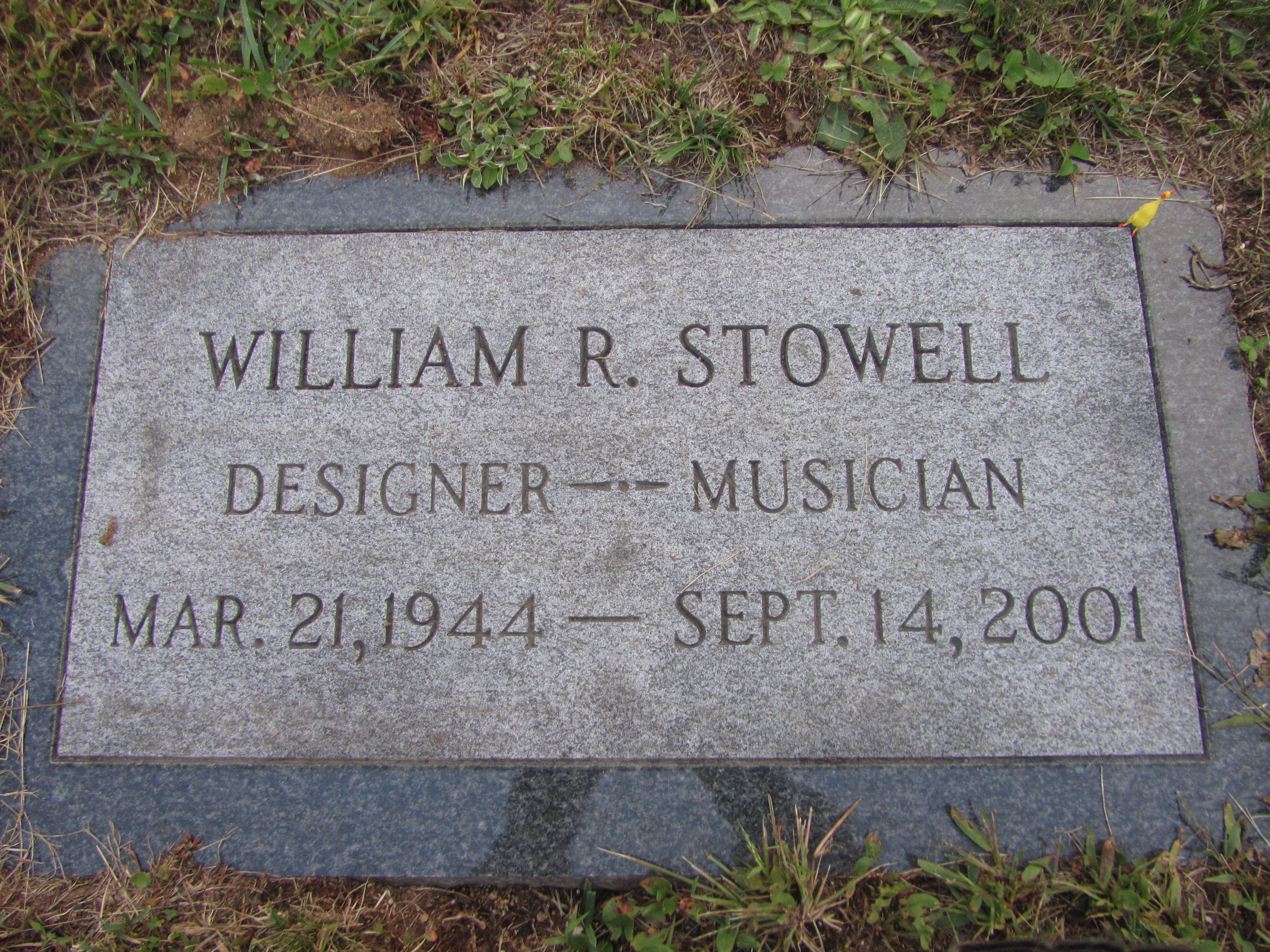
It started quietly. A diagnosis wrapped in clinical language, as if softer words could make it less violent. But there is nothing soft about cancer. It is relentless. It eats time first, then energy, then dignity. It turns strong men into patients and daughters into witnesses.
You watched it happen.
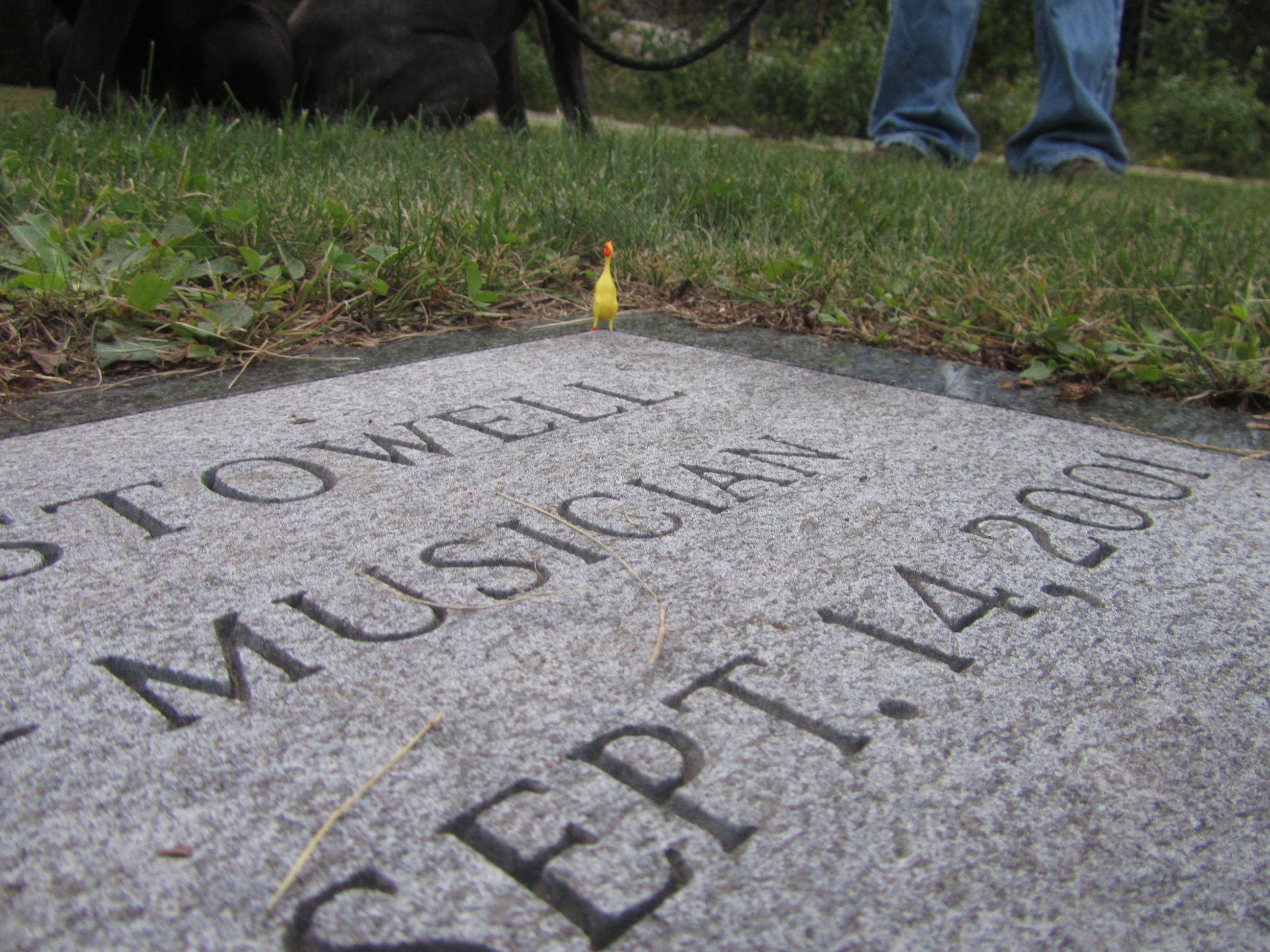
You watched the man who carried everything—your fears, your mistakes, your childhood—begin to fade under the weight of something invisible and cruel. And underneath the grief, there was something else. A question that wouldn’t sit still.
How did this happen?
Memories of Mare Island Naval Shipyard lingered like a shadow. Stories of long days, hard work, and things no one really explained at the time—chemicals, exposure, environments people trusted because they had to. Back then, you didn’t question it. Now, it feels impossible not to.
Because cancer doesn’t just take a life. It leaves behind a trail of doubt.
And anger.
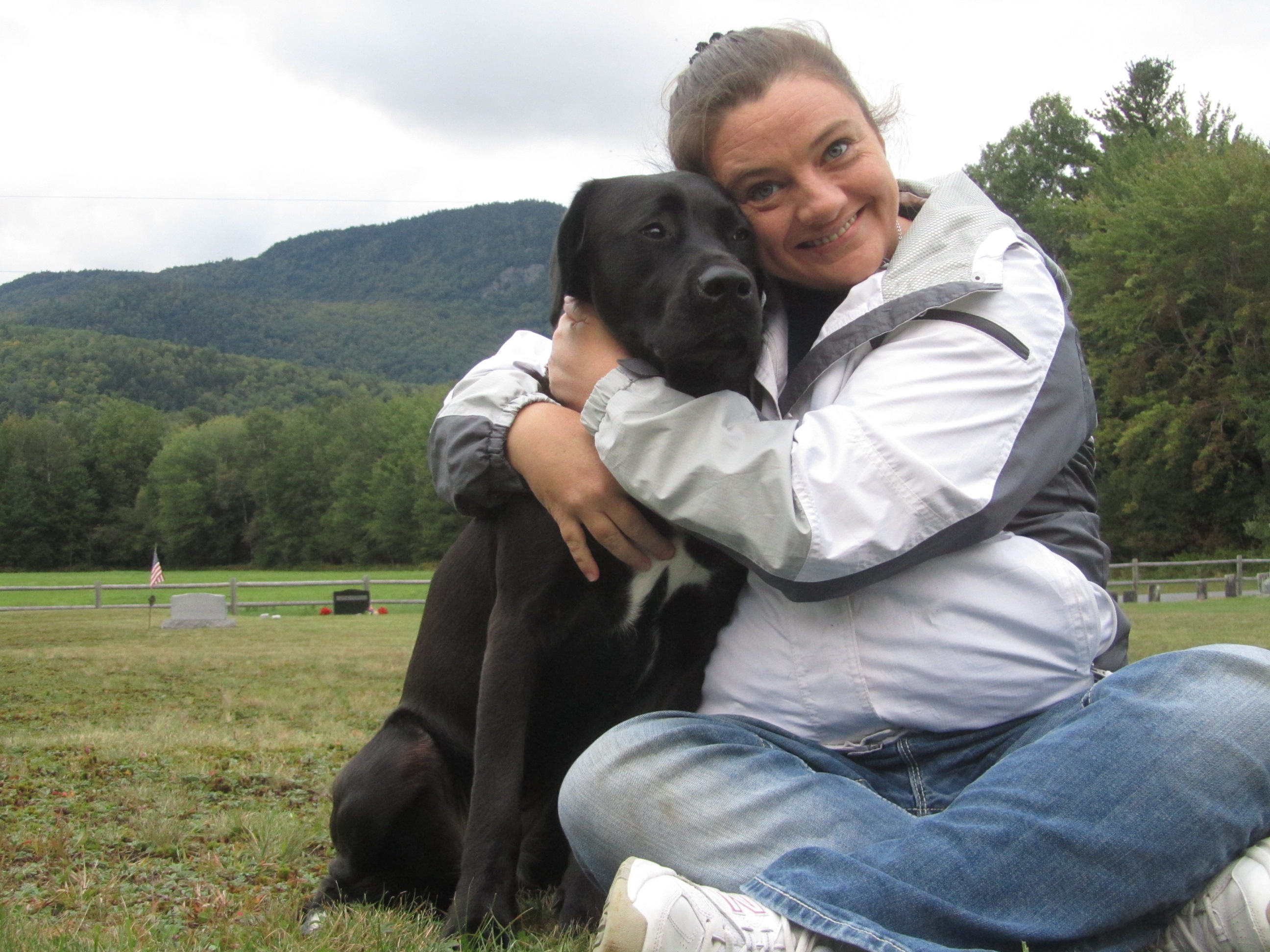
And a kind of grief that doesn’t resolve neatly.
Losing a father at thirty is not just losing a person. It’s losing your anchor. The one who showed up without conditions. The one who didn’t need explanations to understand you. The one who cared in a way that felt steady and unquestioned—something rare enough that you only fully recognize it once it’s gone.
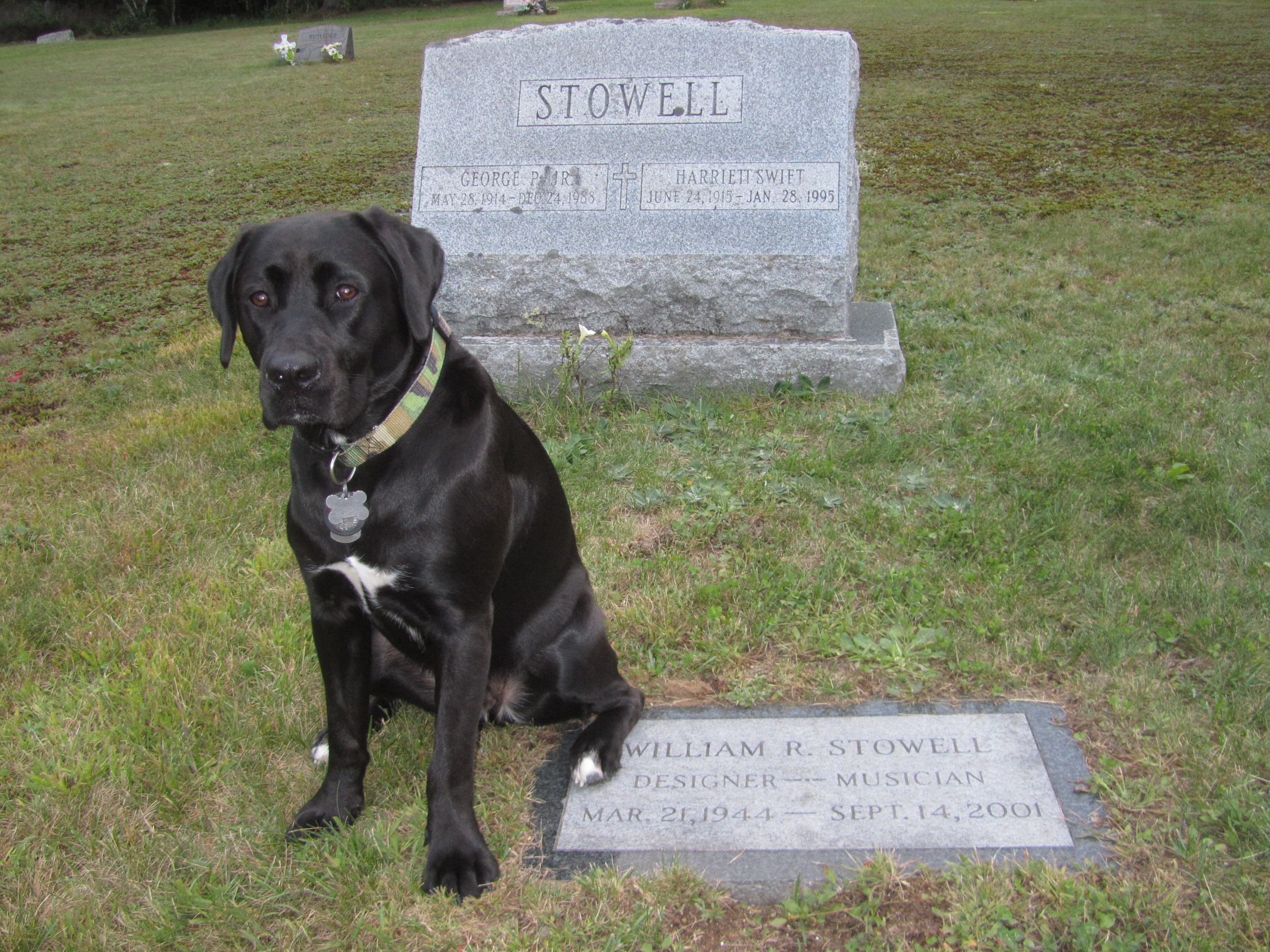
People say you’re grown. That you’ll be okay. But grief doesn’t measure age like that.
It hits in quiet moments—when something good happens and you reach for your phone before remembering. When something falls apart and there’s no one who knows exactly how to put you back together. When the world feels louder and colder because the one person who made it feel safe isn’t here anymore.
And the hardest part?
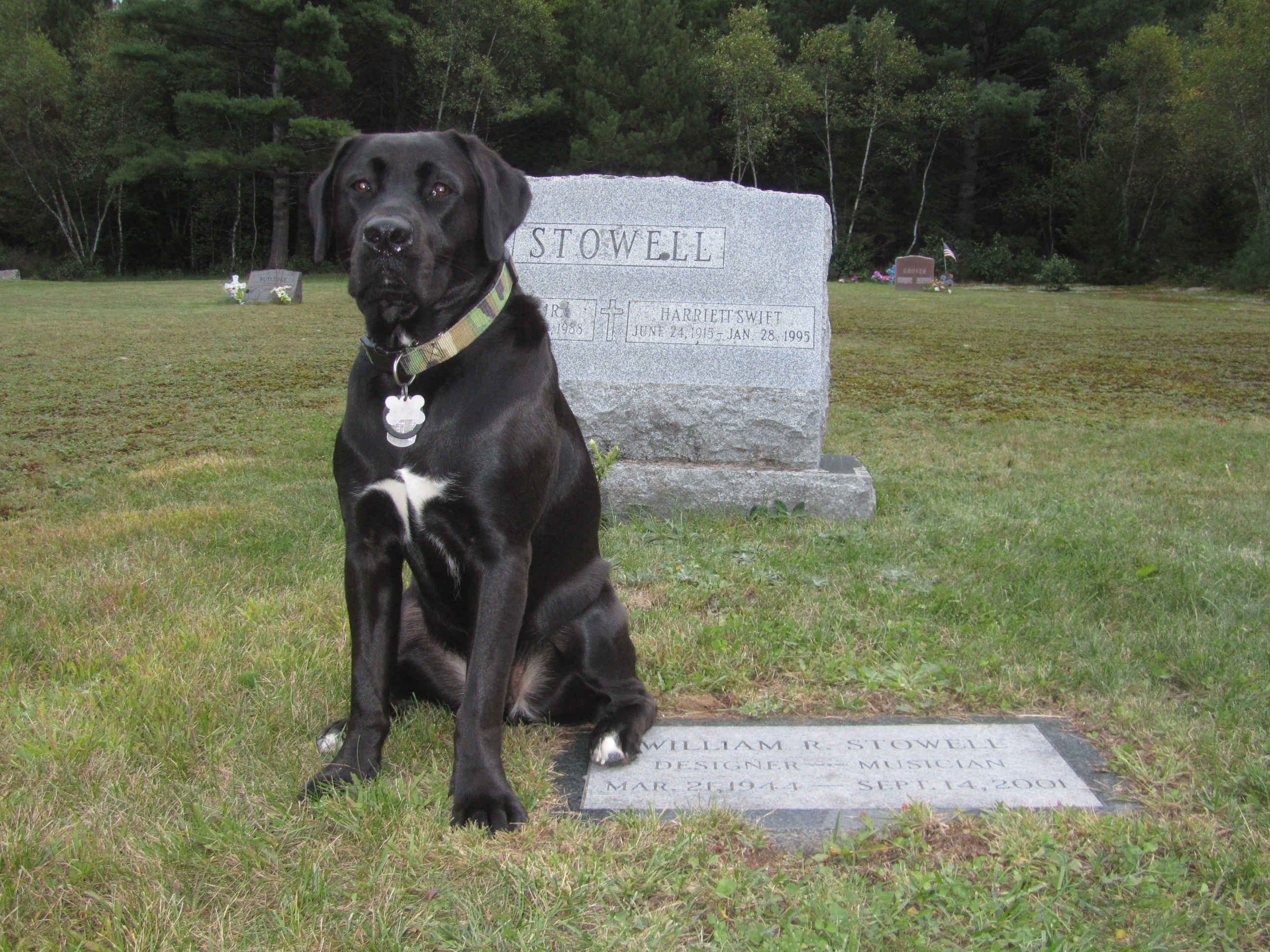
Knowing that kind of love doesn’t come around twice.
So you carry it instead. The memories, the questions, the anger, the gratitude—all of it. You carry him in the way you think, the way you stand your ground, the way you refuse to accept easy answers.
Because even though cancer took him, it didn’t take what he gave you.
And somehow, that’s what keeps you going.
Related Links:
William R. Stowell Memorial Site on Instagram
William R. Stowell Graduated Third Honors from Gould Academy in Bethel, Maine (1962)
William R. Stowell Graduated from the University of Maine Orono with a Bachelor of Science Degree in Civil Engineering (1968)
William R. Stowell Designed Railroad Crossing on Nuclear Carrying Rail for Mare Island Naval Shipyard, Vallejo, California (1985)
William “Billy” Stowell Playing Guitar with a Local Band on Mollyockett Day in Bethel, Maine – Video by Mike Stowell (1991)
“My Last Visit with Bill” by Peter Stowell (2001)
Socials:
Facebook: @ftoxicpeople
Twitter: @ftoxicpeople
Instagram: @ftoxicpeople
YouTube: @fktoxicpeople
Other websites: Military Justice for All


